
An old dog that collapses and begins breathing heavily may be experiencing a serious medical problem that requires immediate attention.
Heavy or difficult breathing after a collapse is particularly concerning because it can indicate that the dog is struggling to maintain normal circulation or oxygenation.
If your senior dog is currently showing these symptoms, do not wait to see whether the episode passes before contacting a veterinarian.
We explain what this combination of collapse and heavy breathing may indicate, what to do while seeking veterinary care, and which changes can signal a life-threatening emergency.
Table of Contents
Old Dog Collapsed and Breathing Heavily: Why It Happens
An old dog that collapses and breaths heavily may have heart disease, congestive heart failure, an abnormal heart rhythm, respiratory disease, airway obstruction, internal bleeding, heatstroke, shock, pulmonary blood clots, or another serious condition.
Some dogs may also have pale or bluish gums, weakness, coughing, restlessness, or difficulty standing.
Heavy breathing after collapse should not be assumed to be caused by old age alone.
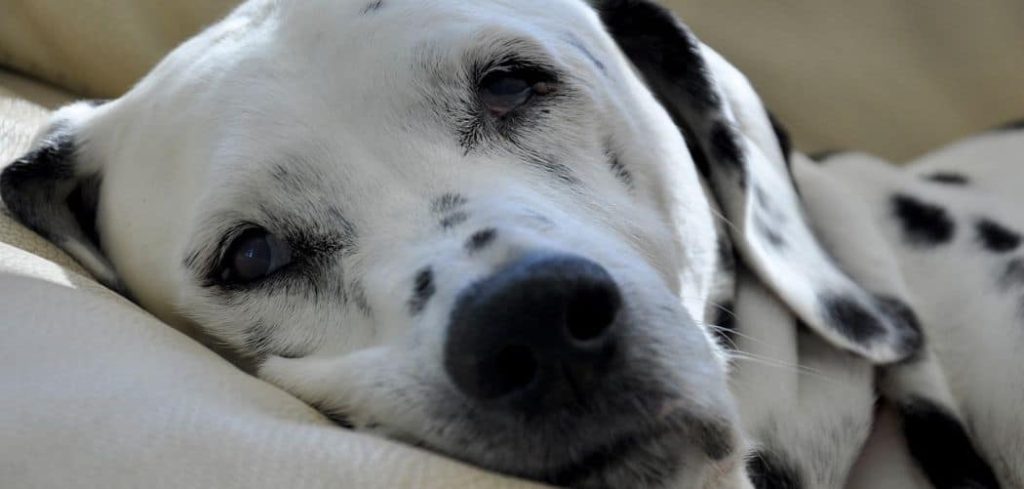
Depending on the underlying cause, a dog may also experience:
Rapid or labored breathing
Weakness
Difficulty standing
Coughing
Pale or bluish gums
Restlessness
Loss of appetite
Old Dog Collapsed and Breathing Heavily: Common Causes
Congestive Heart Failure
Heart failure is an important concern when an older dog collapses and breathes heavily.
As heart function deteriorates, the body may struggle to circulate blood effectively, and fluid can accumulate in or around the lungs.
Affected dogs may breathe rapidly while resting, cough, become restless, tire easily, or have difficulty lying comfortably.
Some dogs may suddenly collapse when their heart cannot meet the body’s oxygen demands.
Heart failure can sometimes worsen rapidly and requires immediate veterinary evaluation.
Read more: Old Dog Collapsed and Peed (Here’s why)
Abnormal Heart Rhythm
An abnormal heart rhythm can cause the heart to pump an inadequate amount of blood to the brain and muscles. This may result in weakness, fainting, collapse, and rapid recovery in some dogs.
Older dogs with underlying heart disease are at greater risk. Some may have no obvious signs between episodes, making cardiac testing important.
An ECG and other heart investigations can help determine whether an arrhythmia is responsible.
Severe Respiratory Disease
Lung diseases such as pneumonia, severe bronchitis, pulmonary edema, or other conditions can make it difficult for an older dog to obtain enough oxygen.
The dog may breathe rapidly or with increased effort, extend their neck, refuse to lie down, become weak, and eventually collapse.
Respiratory distress requires immediate veterinary care because oxygen levels can fall rapidly.
Airway Disease or Obstruction
Conditions such as laryngeal paralysis or tracheal disease can interfere with airflow. These problems may become especially noticeable during exercise, excitement, or warm weather.
An affected senior dog may make noisy breathing sounds, cough, gag, pant excessively, or suddenly develop severe breathing difficulty and collapse.
Laryngeal paralysis is particularly important in older dogs because severe episodes can cause respiratory distress and collapse.
Internal Bleeding
Internal bleeding can cause a sudden reduction in circulating blood volume. As blood pressure falls, the brain and other organs receive less oxygen, potentially causing weakness, collapse, and rapid breathing.
Possible causes include internal injuries, bleeding disorders, or tumors that rupture and bleed.
Pale or white gums, a swollen abdomen, severe weakness, or collapse alongside heavy breathing are particularly concerning signs.
Pulmonary Blood Clot
A pulmonary thromboembolism occurs when a blood clot blocks blood flow through part of the lungs. It can cause sudden breathing difficulty, rapid breathing, weakness, fainting, or collapse.
Older dogs can be affected, particularly when other diseases increase the risk of abnormal clotting.
Because the onset can be sudden, immediate veterinary assessment is essential.
Heatstroke
If your old dog collapsed after being outdoors, exercising, or spending time somewhere hot, heatstroke must be considered.
Heavy breathing, weakness, collapse, altered behavior, vomiting, diarrhea, and abnormal gum color can occur as body temperature becomes dangerously high.
Heatstroke is a medical emergency and can damage multiple organs even after body temperature begins to fall.
Shock
Shock occurs when circulation becomes severely inadequate. It can result from blood loss, heart failure, severe allergic reactions, heatstroke, infection, or other critical illnesses.
A dog in shock may breathe rapidly, have a weak pulse, develop pale gums, become extremely weak, and eventually collapse.
Without rapid treatment, shock can cause irreversible organ damage.
Severe Anemia or Systemic Disease
Severe anemia reduces the blood’s ability to carry oxygen, which can cause weakness, rapid breathing, and collapse. Advanced kidney disease, liver disease, metabolic abnormalities, and other systemic illnesses can also cause profound weakness.
An older dog may have been developing an underlying illness for some time before a crisis occurs.
Blood tests are often needed to identify these conditions.
Read more: Old Dog Collapsed and Died (Possible causes of sudden collapse)
Old Dog Collapsed and Breathing Heavily: What to Do
Treat this as an emergency and contact a veterinarian or emergency veterinary clinic immediately. Keep your dog as calm and still as possible while arranging transportation. Avoid encouraging them to walk because they may collapse again or become more distressed.
If your dog is having difficulty breathing, allow them to remain in the position in which breathing appears easiest rather than forcing them to lie down.
Keep the environment quiet and well ventilated during transport. If heatstroke is suspected, tell the veterinary team immediately so they can advise you on appropriate cooling measures.
Do not give medications or force food or water while your dog is severely weak or struggling to breathe.
When to Call or Visit Your Vet
An old dog that has collapsed and is breathing heavily should receive emergency veterinary care immediately. Both collapse and difficulty breathing are recognized emergency signs.
Seek emergency veterinary attention immediately if your dog develops:
Sudden collapse
Rapid or labored breathing
Difficulty breathing
Pale, white, blue, gray, or purple gums
Inability to stand
Loss of consciousness
Severe weakness
Repeated collapse
Coughing with significant breathing difficulty
Suspected heatstroke
A swollen abdomen with repeated retching
Do not wait to see whether the breathing improves on its own when collapse has already occurred.
Old Dog Collapsed and Breathing Heavily: Treatment
An old dog that has collapsed and is breathing heavily requires immediate veterinary treatment. The veterinarian will stabilize the dog first by assessing breathing, oxygen levels, heart rate, blood pressure, temperature, and circulation.
Treatment may include oxygen therapy, intravenous fluids, emergency medications, and other supportive care while diagnostic tests such as blood work, chest X-rays, ultrasound, or an ECG are performed.
Depending on the findings, a dog may require hospitalization and continuous monitoring.
Recovery and Monitoring
Recovery depends entirely on the cause and how quickly treatment begins. Some conditions can be managed successfully when identified early, while severe heart, lung, bleeding, or neurological problems may carry a more guarded outlook.
After your dog has been stabilized, your veterinarian may recommend monitoring breathing rate, exercise tolerance, appetite, gum color, and energy level at home. Any recurrence of collapse or breathing difficulty should be treated as an emergency.
Key Takeaway
An old dog that has collapsed and is breathing heavily needs immediate veterinary attention.
Possible causes include heart failure, abnormal heart rhythms, respiratory disease, airway problems, internal bleeding, pulmonary blood clots, heatstroke, shock, and severe systemic illness.
Although some underlying diseases develop gradually, a sudden crisis can occur with little warning.
If your senior dog is currently collapsed or struggling to breathe, do not wait for the symptoms to resolve—contact an emergency veterinarian immediately.


