
When an old dog suddenly collapses and urinates at the same time, it can be an alarming experience for any owner.
Although urination during or immediately after a collapse can sometimes occur because a dog temporarily loses control of its bladder, the combination of these signs should not be dismissed, especially in a senior dog.
A collapse can have many possible meanings, and the circumstances surrounding the episode—including how long it lasted and how your dog behaved afterward—are important.
In this guide, we explain what it may mean when an old dog collapses and pees, what you should do after an episode, and which signs indicate that your dog needs immediate or emergency veterinary attention.
Table of Contents
Old Dog Collapsed and Peed: Why It Happens
An old dog that collapsed and peed may have experienced syncope (fainting), a seizure, heart disease or an abnormal heart rhythm, low blood pressure, metabolic disease, severe weakness, or a neurological disorder.
Incontinence alone cannot reliably distinguish a seizure from fainting, so the circumstances surrounding the episode and a veterinary examination are important.
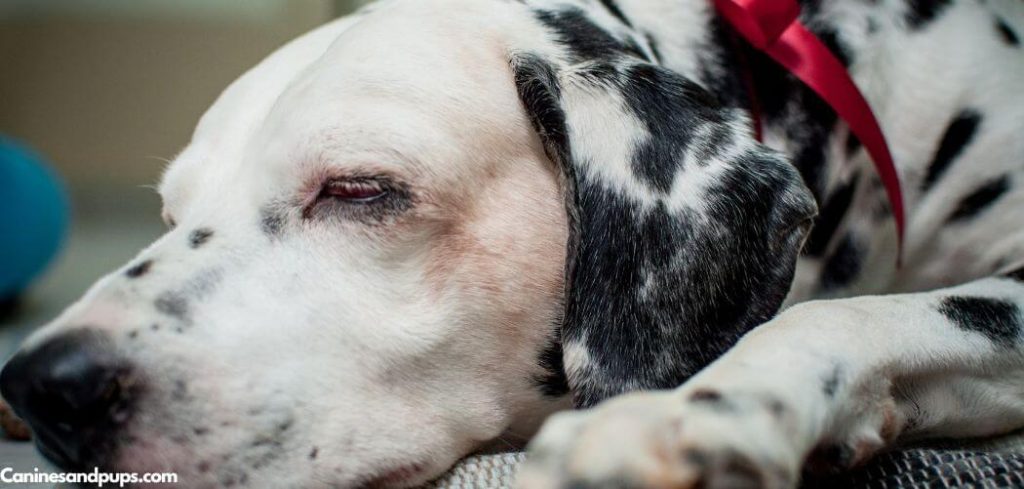
Depending on the underlying cause, a dog may also experience:
Sudden loss of balance
Falling or inability to stand
Loss of bladder control
Stiffening or unusual movements
Confusion after the episode
Weakness
Rapid or abnormal breathing
Drooling or other unusual behavior
Old Dog Collapsed and Peed: Common Causes
Syncope or Fainting
Syncope is a temporary loss of consciousness and postural control caused by inadequate blood flow to the brain. In older dogs, heart disease and abnormal heart rhythms are important potential causes.
A dog experiencing syncope may suddenly become weak, fall over, and lose bladder control before recovering relatively quickly.
The episode is often brief, and the dog may return toward their normal state soon afterward.
Because cardiac disease can cause recurrent collapse, even an episode that resolves quickly should be investigated.
Read more: Old Dog Collapsed and Pooped (What it means)
Seizure
A seizure can cause a dog to suddenly lose awareness and control of their body. Bladder or bowel accidents may occur during a seizure, although incontinence does not by itself prove that a seizure occurred.
Depending on the type of seizure, a dog may stiffen, make involuntary movements, stare blankly, or become unresponsive.
Afterward, some dogs experience a period of confusion, weakness, or unusual behavior.
In an older dog experiencing a first suspected seizure, veterinary evaluation is particularly important because underlying brain disease or another medical condition may be involved.
Heart Disease or Abnormal Heart Rhythm
Heart disease can reduce the amount of blood reaching the brain, particularly during exertion or excitement.
An abnormal heart rhythm can also cause sudden fainting or collapse.
A dog may collapse suddenly and then recover after a short period. Other signs can include coughing, rapid breathing, reduced exercise tolerance, weakness, or a previously diagnosed heart murmur.
Veterinary cardiac testing can help determine whether the heart is responsible.
Low Blood Pressure or Poor Circulation
A significant drop in blood pressure can prevent the brain and other organs from receiving enough blood.
Shock, dehydration, blood loss, severe illness, and cardiovascular problems can all contribute to poor circulation.
The dog may appear extremely weak, collapse, have pale gums, or become unusually quiet.
This can be an emergency requiring immediate stabilization and treatment of the underlying cause.
Neurological Disease
Conditions affecting the brain, spinal cord, or nerves can cause sudden weakness, abnormal movement, loss of balance, or collapse.
Senior dogs can develop neurological disorders that affect coordination and consciousness.
Some may also develop changes in behavior, walking, vision, or bladder control.
A neurological examination helps determine whether the episode is likely to originate from the nervous system.
Related: Old Dog Neurological Problems (Signs, causes and treatment)
Metabolic Disease
Abnormal blood glucose, electrolyte disturbances, severe anemia, kidney disease, liver disease, and other systemic conditions can cause weakness or collapse.
Veterinary emergency literature identifies problems such as low blood glucose, anemia, electrolyte abnormalities, and organ disease among possible causes of acute collapse.
These dogs may also show poor appetite, vomiting, increased thirst, changes in urination, weight loss, or progressive weakness.
Blood testing can identify many of these abnormalities.
Severe Pain or Sudden Weakness
A painful orthopedic or spinal problem can occasionally cause a dog to buckle or fall suddenly. Older dogs with advanced arthritis, spinal disease, or other mobility problems may be particularly vulnerable.
However, true collapse accompanied by loss of consciousness should not be attributed to arthritis without veterinary assessment.
Heat, Dehydration, or Overexertion
Hot conditions, dehydration, and strenuous activity can place significant stress on an older dog’s cardiovascular system and may contribute to weakness or collapse.
Excessive panting, drooling, weakness, vomiting, or diarrhea alongside collapse raises concern for heat-related illness.
If overheating is suspected, the dog needs urgent veterinary assessment.
Read more: Dog back legs collapsed suddenly (Here’s why)
What to Do If Your Old Dog Collapsed and Peed
Keep your dog somewhere safe and prevent them from immediately walking around or climbing stairs. If they have recovered, allow them to rest quietly while you observe their breathing, responsiveness, gum color, and ability to stand.
Do not give food, medication, or large amounts of water if your dog is still confused or having difficulty swallowing.
If possible, write down what happened before, during, and after the episode. Details such as whether your dog was conscious, how long the episode lasted, whether there were abnormal movements, and how quickly they recovered can help your veterinarian distinguish between possible causes. A safely obtained video of a future episode can also be useful to the veterinary team.
Because collapse can be associated with potentially life-threatening conditions, arrange veterinary assessment promptly even if your dog appears normal afterward. (veterinaryirelandjournal.com)
When to Call or Visit Your Vet
A senior dog that has collapsed and urinated should be evaluated by a veterinarian, particularly if this is the first episode.
Schedule an appointment promptly if you notice:
A single unexplained collapse
Urinating during or after collapse
Repeated episodes of weakness
Coughing or exercise intolerance
New balance problems
Confusion after episodes
Increasing weakness
Changes in appetite or drinking
Seek emergency veterinary attention immediately if your dog develops:
Repeated or prolonged collapse
Difficulty breathing
Inability to stand
Pale, blue, gray, or very abnormal gums
Severe weakness
A prolonged or repeated seizure
Loss of consciousness that does not resolve
Severe abdominal swelling or pain
Rapidly worsening neurological signs
Acute collapse requires immediate triage because potentially serious cardiovascular, respiratory, neurological, and shock-related conditions can cause it.
Old Dog Collapsed and Peed: Treatment
Veterinary treatment for an old dog that has collapsed and urinated unexpectedly begins with immediate stabilization and a thorough examination. The veterinarian will assess consciousness, breathing, heart rate, blood pressure, temperature, blood glucose, and circulation.
Depending on the findings, diagnostic tests may include blood and urine tests, an ECG, chest X-rays, or ultrasound.
Treatment may involve oxygen therapy, intravenous fluids, medications to support blood pressure or heart function, seizure control, pain relief, or other targeted treatment.
Recovery and Monitoring
Recovery depends entirely on the cause of the collapse. Some dogs with a treatable underlying problem can improve significantly, while others may require long-term management for heart, neurological, or metabolic disease.
Keep your dog’s environment safe and minimize situations that could trigger another collapse until your veterinarian has identified the cause. Monitor their walking ability, breathing, appetite, drinking, urination, and behavior.
If another episode occurs, note how long it lasts and what your dog was doing immediately beforehand. This information can be extremely useful to your veterinarian.
Key Takeaway
An old dog that collapsed and peed may have experienced fainting, a seizure, heart disease, an abnormal heart rhythm, low blood pressure, neurological disease, metabolic illness, or severe weakness.
Urinating during an episode does not by itself tell you whether the event was a seizure or fainting.
Because sudden collapse in an older dog can have serious causes, veterinary evaluation is recommended even if your dog seems normal afterward.
If your dog collapses again, cannot stand, has difficulty breathing, remains unconscious, develops severe weakness, or experiences a prolonged or repeated seizure, seek emergency veterinary care immediately.


