
Seeing your dog’s back legs collapse without warning can be one of the most frightening moments.
Whether it happens during play, while walking, or as your dog stands up, this sudden weakness or loss of balance usually signals an underlying medical issue that shouldn’t be ignored.
Table of Contents
Dog Back Legs Collapsing Suddenly: Why It Happens
When a dog’s back legs collapse suddenly, it’s often due to a problem affecting the nerves, spine, or muscles that control hind limb movement. Causes range from temporary muscle strain or joint pain to serious conditions like intervertebral disc disease (IVDD), degenerative myelopathy, or even vascular and cardiac issues that reduce blood flow to the hind limbs.
In some cases, sudden collapse may also occur due to trauma, low blood sugar, or poisoning.
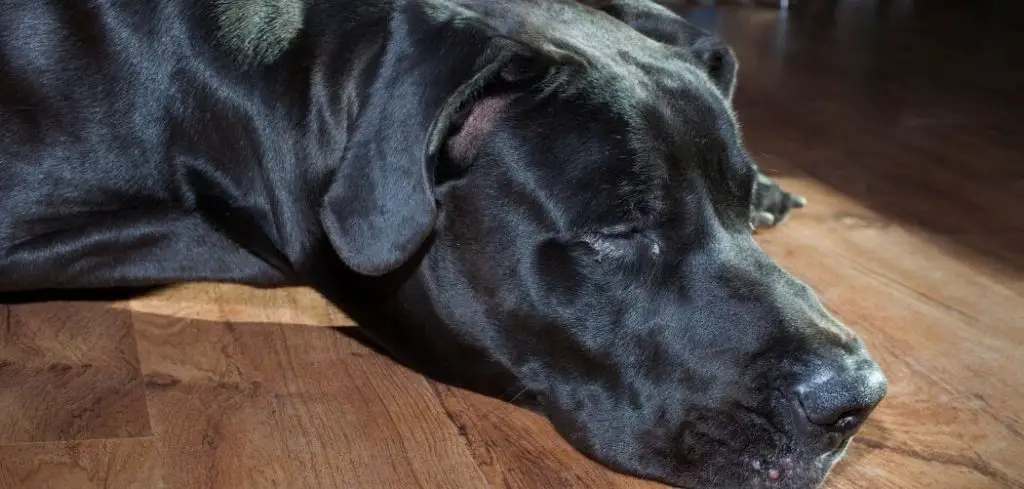
Dog Back Legs Collapsing Suddenly: Common Causes
1. Intervertebral Disc Disease (IVDD)
IVDD is one of the most common reasons dogs experience sudden hind leg collapse. This spinal condition occurs when the cushioning discs between the vertebrae rupture or slip, pressing on the spinal cord. It’s especially common in Dachshunds, Corgis, Beagles, and other long-backed breeds.
Symptoms can appear suddenly — one moment your dog is walking fine, the next, their hind legs buckle or drag.
You may also notice trembling, reluctance to move, or crying out in pain when picked up. IVDD is a medical emergency.
Quick veterinary care can sometimes reverse nerve damage, but delays may lead to permanent paralysis.
Read more: Dog Suddenly Limping Back Leg (What it means and when to worry)
2. Degenerative Myelopathy
Degenerative myelopathy (DM) is a progressive neurological disease that affects the spinal cord, typically in middle-aged to older dogs.
While it doesn’t cause pain, it gradually weakens the hind legs and affects coordination, sometimes leading to sudden collapse when the legs can no longer support the body.
German Shepherds, Boxers, and Corgis are particularly prone. You may notice wobbling, dragging of the paws, or difficulty standing up.
Unfortunately, there’s no cure for DM, but physical therapy and supportive care can help maintain mobility and quality of life for as long as possible.
3. Hip Dysplasia and Arthritis
If your dog’s back legs seem to “give out” suddenly, hip dysplasia or severe arthritis could be the reason — even though these are typically chronic conditions.
Hip dysplasia occurs when the hip joint doesn’t fit properly into the socket, leading to instability and pain.
Over time, this causes muscle loss and inflammation that can make the legs suddenly fail during activity.
Arthritis, on the other hand, stiffens the joints and makes movements painful or unpredictable.
Dogs might hesitate to jump, climb stairs, or even stand after resting. On a bad day or after overexertion, this stiffness can cause a sudden collapse of the hind end.
4. Spinal Cord Injury or Trauma
A sudden slip, fall, or accident can cause spinal cord injury, leading to immediate hind limb weakness or paralysis.
This can result from jumping off furniture, rough play, or being hit by a vehicle. Depending on the injury’s location, your dog might lose partial or complete function in the back legs.
Other warning signs include crying out in pain, difficulty standing, or complete loss of movement below the injury point. This situation is always an emergency — prompt diagnosis and treatment are essential to prevent permanent damage.
5. Neurological Conditions
Disorders affecting the brain or nerves can cause sudden, uncoordinated movements or leg collapse.
Conditions such as vestibular disease, stroke, or inflammatory brain disease can disrupt communication between the brain and body. Affected dogs may suddenly wobble, fall over, or appear disoriented.
Neurological collapse often comes with other signs like head tilting, rapid eye movement, or circling.
These require immediate veterinary assessment, as some neurological conditions can be life-threatening but treatable if caught early.
6. Low Blood Sugar (Hypoglycemia)
In small breeds like Chihuahuas, Yorkies, and Maltese, low blood sugar can cause sudden weakness or collapse.
This often happens after stress, skipping meals, or vigorous activity. The brain and muscles rely on glucose for energy, and when levels drop too low, coordination fails quickly.
You may notice trembling, confusion, or even fainting. Giving a small amount of honey or syrup can help temporarily, but your vet must identify the cause — especially if episodes recur.
7. Cardiovascular Problems
Heart disease or poor circulation can also lead to sudden collapse. When the heart fails to pump enough blood to the muscles and brain, your dog might suddenly lose strength or consciousness.
You may notice coughing, rapid breathing, or a blue tinge to the gums before or after the episode.
Older dogs or breeds predisposed to cardiac issues (like Cavalier King Charles Spaniels or Dobermans) are most at risk. This type of collapse is serious and demands urgent veterinary evaluation.
8. Tick Paralysis or Toxin Exposure
Certain tick species inject neurotoxins that affect nerve transmission, leading to progressive weakness that starts in the hind legs.
Similarly, ingesting toxins such as lead, certain pesticides, or even moldy food can cause sudden leg collapse due to muscle or nerve damage.
If your dog has recently been in tall grass, wooded areas, or new environments, check thoroughly for ticks and seek immediate veterinary care if weakness develops.
Read more: Dog Suddenly Limping Front Leg (What it means)
Dog Loses Use of Back Legs Temporarily
A dog that temporarily loses use of its back legs may be experiencing nerve compression, spinal disc issues, circulation problems, or sudden pain.
This can appear as dragging the legs, stumbling, or briefly being unable to stand before recovering. Temporary episodes may occur with mild spinal disc bulges, pinched nerves, or joint instability.
However, even temporary paralysis should be taken seriously because it can progress.
Immediate monitoring is important, and veterinary care is recommended if the episode lasts more than a few minutes, recurs, or is accompanied by pain, trembling, or loss of coordination.
Old Dog Back Legs Collapsing Suddenly
When an older dog’s back legs collapse suddenly, it often indicates a problem affecting the spine, nerves, joints, or circulation.
Common causes include arthritis flare-ups, spinal disc disease, nerve degeneration, hip problems, or weakness from underlying illness.
Some senior dogs also experience sudden collapse due to pain, muscle loss, or reduced coordination. Episodes may appear as wobbling, slipping, or the dog briefly unable to stand.
Sudden collapse in older dogs should be taken seriously, especially if it happens repeatedly, worsens, or is accompanied by pain, dragging of the legs, or loss of bladder control.
Young Dog’s Back Legs Collapsing Suddenly
Sudden back leg collapse in a young dog is less common and may suggest injury, trauma, neurological issues, or joint problems.
Causes can include ligament injury, hip dysplasia, spinal inflammation, toxin exposure, or muscle strain after intense activity.
Some young dogs may also experience temporary weakness due to exhaustion or low blood sugar, especially small breeds.
If the dog recovers quickly, it may be temporary, but repeated episodes or difficulty walking should be evaluated to rule out structural or neurological problems.
Dogs Back Legs Weak But No Pain
Weak back legs without obvious pain often suggest nerve involvement, muscle weakness, or coordination issues rather than a simple injury.
Causes may include spinal cord problems, degenerative nerve conditions, hip instability, nutritional deficiencies, or systemic illness. Dogs may show signs like wobbling, slipping on floors, difficulty jumping, or tiring quickly.
Because dogs sometimes hide pain, weakness without visible discomfort should still be monitored closely, especially if it progresses or affects walking.
What to Do If Your Dog’s Back Legs Collapse Suddenly
If your dog’s back legs suddenly give out, stay calm — and avoid moving them unnecessarily.
Observe whether they’re in pain, able to stand, or showing other symptoms like heavy breathing, confusion, or crying. If they seem paralyzed, weak, or in distress, go to the vet immediately.
While waiting or preparing for transport, keep your dog comfortable on a flat surface. Support them with a towel or blanket under the abdomen if they must move short distances.
Avoid massaging or stretching the legs until you know the cause, as this could worsen certain conditions like IVDD or fractures.
If the collapse seems temporary and your dog recovers quickly, monitor closely for recurrence. Make sure they rest, stay hydrated, and avoid strenuous activity until examined by a vet.
In less urgent cases such as arthritis or hip dysplasia, maintaining a healthy weight, providing orthopedic bedding, and offering joint supplements (like glucosamine and omega-3 fatty acids) can make a big difference.
Gentle walks and low-impact exercises like swimming help strengthen muscles without stressing the joints.
When to Call or Visit Your Vet
Contact your veterinarian immediately if your dog:
Cannot stand or walk after collapsing
Cries out in pain or drags their legs
Shows signs of confusion, head tilt, or seizures
Has blue or pale gums (possible cardiac issue)
Recently suffered trauma or a fall
Even if your dog recovers quickly, sudden hind leg weakness shouldn’t be ignored.
Immediate diagnosis can mean the difference between a full recovery and long-term mobility issues.
Read more: Dog Suddenly Lethargic and Wobbly (Common causes and treatments)
Dog Back Legs Collapsing Suddenly: Treatment
Veterinary treatment for sudden back leg collapse depends on the underlying cause.
Your veterinarian may perform a physical and neurological exam to evaluate reflexes, strength, and coordination. Diagnostic tests such as X-rays, bloodwork, or advanced imaging may be recommended to check for spinal issues, joint problems, or systemic illness.
Treatment may include anti-inflammatory medication, pain relief, rest, physical therapy, or supportive care.
In some cases, your veterinarian may recommend joint supplements, mobility support, or referral for specialized care if a neurological condition is suspected.
Key Takeaway
Sudden back leg collapse in dogs is a distressing symptom that can stem from a range of issues — from mild muscle strain to serious neurological or spinal disorders. Even if your dog seems fine afterward, it’s important to take the episode seriously.
Quick veterinary attention, paired with gentle home care and mobility support, gives your dog the best chance for recovery and comfort.
When it comes to sudden weakness or leg collapse, acting early is always the safest move for your loyal companion.


