
When an older dog suddenly starts breathing heavily and rapidly, it can be alarming. Changes in breathing patterns often signal discomfort or serious underlying health problems.
Table of Contents
Old Dog Breathing Heavy and Fast: Why It Happens
Heavy and fast breathing in an old dog is most often caused by heart disease, lung disorders, chronic pain, anemia, metabolic imbalances, or declining organ function that interferes with oxygen delivery and temperature regulation.
As dogs age, their heart, lungs, and muscles become less efficient, making it harder for them to compensate when illness, stress, or discomfort develops.
Even mild conditions that younger dogs tolerate easily can trigger labored breathing in seniors. Environmental heat, anxiety, and medication side effects can further worsen breathing changes.
Because rapid breathing reduces oxygen intake over time, it should always be taken seriously in older dogs.
Old Dog Breathing Heavy All the Time
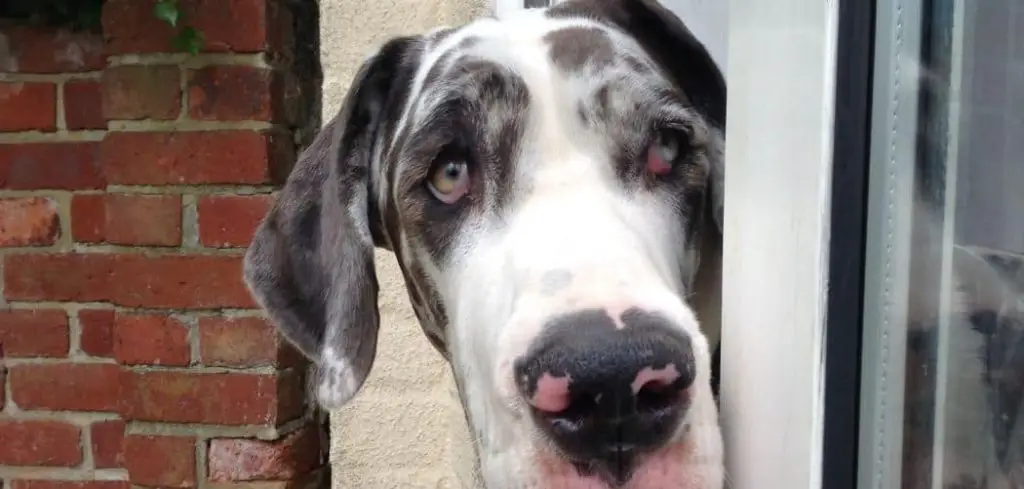
If your old dog is breathing heavy all the time, it should not be considered a normal part of aging.
Persistent heavy breathing may indicate heart disease, lung disease, chronic pain, obesity, anemia, heat stress, or other underlying medical conditions that reduce oxygen delivery or make breathing more difficult.
Senior dogs are also more prone to age-related conditions such as congestive heart failure and lung tumors that can cause ongoing breathing changes.
If your dog’s breathing is consistently labored, accompanied by coughing, weakness, blue or pale gums, or a reduced appetite, they should be evaluated by a veterinarian as soon as possible. Early diagnosis can improve comfort and treatment outcomes.
Old Dog Breathing Heavy and Fast: Common Causes
Heart Disease and Congestive Heart Failure
Heart disease is one of the most common causes of heavy, rapid breathing in senior dogs. As the heart weakens, it becomes less able to pump blood efficiently throughout the body.
This leads to fluid buildup in the lungs, reduced oxygen circulation, and increased strain on the respiratory system.
Dogs with heart disease may breathe faster even while resting, cough at night, tire easily, or seem reluctant to exercise. You may notice belly breathing, flared nostrils, or pauses between breaths. In advanced cases, gums may appear pale or bluish.
This condition is serious because reduced oxygen delivery affects every organ. Without treatment, heart failure can progress rapidly and become life-threatening.
Read more: Old Dog Panting Excessively (Why it happens)
Chronic Lung Disease and Airway Disorders
Aging dogs are prone to chronic bronchitis, tracheal collapse, pulmonary fibrosis, and other lung conditions that restrict airflow. These diseases cause inflammation, scarring, or narrowing of the airways, making breathing more difficult.
Affected dogs may wheeze, cough, pant excessively, or struggle to catch their breath after mild activity. Some dogs develop noisy breathing or shallow, rapid breaths that worsen at night.
Because lung tissue does not regenerate easily, chronic respiratory disease often worsens over time. Early diagnosis and long-term management are essential to preserve quality of life.
Pain and Musculoskeletal Disorders
Pain is a frequently overlooked cause of rapid breathing in older dogs. Arthritis, spinal disease, joint degeneration, and internal pain can all trigger increased respiratory rates as the body responds to stress and discomfort.
A painful dog may pant heavily even when lying still. They may avoid movement, appear stiff, struggle to lie down comfortably, or change sleeping positions frequently. Facial tension and reduced appetite are also common.
Unmanaged pain places constant strain on the nervous and cardiovascular systems. Over time, this can worsen breathing problems and contribute to anxiety and depression.
Anemia and Blood Disorders
Anemia occurs when a dog has too few red blood cells or insufficient hemoglobin to carry oxygen. This forces the body to breathe faster to compensate for reduced oxygen delivery.
Senior dogs may develop anemia from chronic kidney disease, internal bleeding, immune disorders, cancer, or nutritional deficiencies. Signs include weakness, pale gums, lethargy, cold intolerance, and rapid breathing.
Because oxygen fuels every cell, untreated anemia can lead to organ damage, collapse, and sudden deterioration. It always requires veterinary investigation.
Metabolic and Hormonal Disorders
Diseases that affect metabolism often disrupt breathing patterns in older dogs. Conditions such as Cushing’s disease, diabetes, kidney failure, and liver disease alter fluid balance, blood chemistry, and energy production.
These imbalances can cause dehydration, electrolyte disturbances, and acid-base shifts that stimulate faster breathing.
Dogs may also drink more, urinate frequently, lose muscle mass, or develop bloated abdomens.
When metabolic disorders are not controlled, they gradually weaken the heart, lungs, and immune system. Breathing changes are often an early warning sign of systemic decline.
Stress
Senior dogs commonly develop cognitive dysfunction, similar to dementia in humans. This condition disrupts sleep cycles, increases confusion, and heightens anxiety, especially at night.
An anxious or disoriented dog may pace, pant, vocalize, and breathe rapidly without obvious physical illness. They may seem restless, clingy, or fearful of familiar surroundings.
While behavioral in origin, chronic stress raises cortisol levels and worsens heart and lung function. Without intervention, quality of life can decline significantly.
Read more: Old dog making weird breathing noise (What it means)
Other Concerns on Fast Breathing in Senior Dogs
Old Dog Breathing Heavy and Fast Through Nose
Heavy and rapid breathing through the nose in an older dog can occur when they are struggling to get enough oxygen or experiencing airway irritation.
Causes may include nasal inflammation, allergies, respiratory infections, heart disease, lung disease, anxiety, pain, or overheating.
Unlike normal panting, fast nasal breathing without an open mouth often suggests your dog is working harder to breathe.
If this breathing pattern continues, worsens, or is accompanied by noisy breathing, lethargy, or nasal discharge, veterinary attention is recommended to determine the underlying cause.
Senior Dog Breathing Fast but Not Panting
A senior dog that is breathing fast without panting may be showing an early sign of respiratory or cardiovascular disease.
Normal sleeping or resting respiratory rates are generally under 30 breaths per minute. Faster breathing without the typical open-mouth panting can occur with congestive heart failure, pneumonia, fluid around the lungs, pain, anemia, fever, or metabolic disorders.
Because this type of rapid breathing is often subtle, owners should monitor the resting breathing rate and seek veterinary care if it remains elevated or is accompanied by coughing, weakness, collapse, or difficulty breathing.
Old Dog Breathing Heavy and Fast While Sleeping
Heavy or rapid breathing during sleep is not always abnormal, as dogs can breathe faster during the dream (REM) stage of sleep.
However, if your senior dog consistently breathes heavily every time they sleep, wakes up struggling for breath, coughs, or has a resting respiratory rate above 30 breaths per minute, it may indicate heart disease, lung disease, or fluid buildup in the chest.
Persistent rapid breathing during sleep warrants a veterinary examination because sleeping respiratory rate is an important indicator of heart and lung health in older dogs.
Old Dog Breathing Heavy and Fast While Resting
An old dog should normally breathe quietly and comfortably while resting. Heavy or fast breathing at rest often signals that the body is under stress or not receiving enough oxygen.
Common causes include congestive heart failure, chronic lung disease, pain, fever, anemia, obesity, or internal bleeding.
Count your dog’s breaths while they are fully relaxed; a consistently elevated resting breathing rate or visible effort to breathe should be assessed promptly by a veterinarian, especially if accompanied by lethargy, coughing, or pale gums.
Old Dog Breathing Heavy and Fast at Night
If your senior dog breathes heavily and rapidly at night, it may indicate an underlying medical problem rather than simply aging.
Heart disease is a common cause because fluid can accumulate in or around the lungs when dogs lie down, making breathing more difficult.
Lung disease, pain from arthritis, anxiety, heat, or certain medications can also contribute.
Monitor whether your dog is restless, frequently changes positions, coughs, or cannot get comfortable. Nighttime breathing difficulties that occur repeatedly should be evaluated by a veterinarian, as they may indicate worsening heart or respiratory disease.
What are signs your dog is going to pass away?
Heavy and fast breathing can be a sign that a dog is approaching the end of life, but it is not always an indication that death is imminent. In terminal illnesses, breathing may become rapid, labored, shallow, or irregular as the body’s organs begin to fail.
Other signs that a dog may be nearing the end of life include profound weakness, inability or unwillingness to stand, loss of appetite and thirst, extreme lethargy, confusion, incontinence, significant weight loss, low body temperature, and little interest in family members or surroundings.
However, many conditions that cause heavy breathing—such as heart disease, pneumonia, pain, or anemia—can sometimes be treated or managed.
If your elderly dog develops sudden or persistent heavy, fast breathing, especially with blue or pale gums, collapse, or severe distress, seek immediate veterinary care.
A veterinarian can determine whether the breathing changes are due to a treatable condition or are part of the natural dying process and recommend the most compassionate course of action.
Read more: Old dog behavior before death (Common signs)
Old Dog Breathing Heavy and Fast: What to Do
If your old dog is breathing heavily and rapidly, start by observing when the behavior occurs. Check whether it happens at rest, during sleep, or only after activity. Count their breaths while sleeping and note any coughing, weakness, or color changes in gums.
Keep your dog in a cool, calm environment and limit physical exertion. Overheating worsens respiratory distress, so ensure good ventilation and access to fresh water at all times.
Make sure your dog is taking prescribed medications correctly if they have heart, lung, or pain conditions. Skipped doses or incorrect timing can quickly lead to symptom flare-ups.
Provide supportive bedding that allows comfortable positioning and reduces joint strain. Elevated beds and orthopedic mattresses can improve breathing posture in arthritic dogs.
Document any changes in appetite, behavior, or energy levels. These details help your veterinarian identify underlying causes more accurately.
When to Call or Visit Your Veterinarian
Contact your veterinarian immediately if your dog is breathing rapidly at rest, especially if it persists for more than a few hours.
Seek urgent care if your dog shows blue or pale gums, collapses, refuses to move, or appears confused.
Emergency attention is needed if breathing is accompanied by coughing up foam, fluid, or blood.
Sudden onset of severe panting, abdominal breathing, or open-mouth breathing should always be treated as a medical emergency.
If your dog’s breathing worsens despite home care, or if new symptoms appear, schedule an immediate examination.
Related: Old dog making hacking noises (Causes explained)
Old Dog Breathing Heavy and Fast: Treatment
Treatment for heavy, rapid breathing in an older dog focuses on stabilizing breathing and addressing the underlying cause.
A veterinarian will first assess oxygen levels and may provide oxygen therapy if your dog is struggling to breathe.
Diagnostic tests such as chest X-rays, blood work, and heart evaluation help determine whether the cause is heart disease, lung disease, pain, infection, anemia, or fluid buildup.
Treatment may include diuretics for heart-related fluid, antibiotics for infections, pain relief, anti-inflammatory medications, or bronchodilators to open airways. In severe cases, hospitalization and IV medications are required.
Because breathing problems can worsen quickly in senior dogs, immediate veterinary care is essential.
Key Takeaway
Heavy and fast breathing in an old dog is never something to ignore. It is often a sign of heart disease, lung problems, pain, anemia, metabolic disorders, or age-related anxiety that requires professional care.
Early diagnosis and treatment can dramatically improve comfort, mobility, and longevity.
If your senior dog’s breathing patterns change, trust your instincts and seek veterinary guidance promptly. Your attention today may protect their health for years to come.


