
If your dog frequently stretches their front legs forward while lowering their chest toward the ground, you may be wondering whether this behavior is normal or a sign of a health problem.
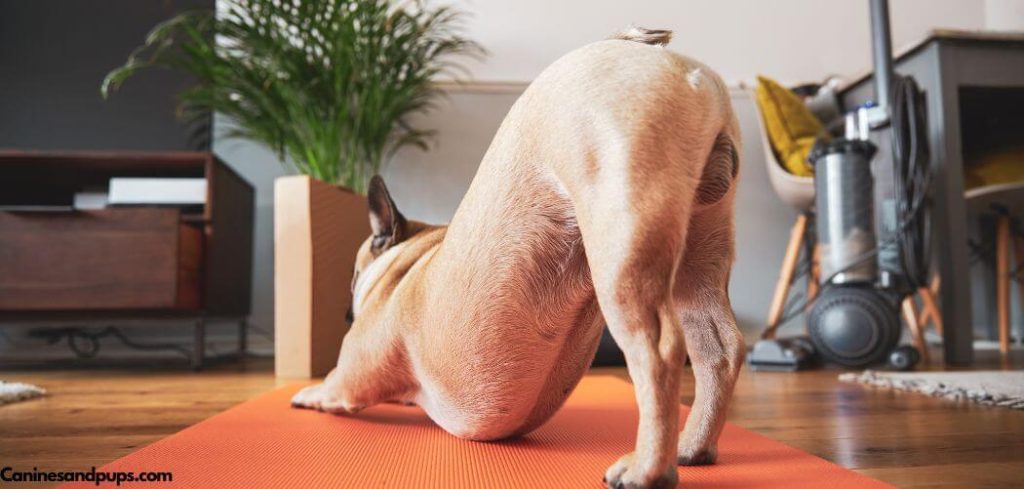
The posture is a “bowing” position because it resembles a dog taking a bow. While occasional stretching and bowing are often harmless, repeated episodes can sometimes indicate discomfort, pain, or an underlying medical condition.
Dogs commonly bow when they wake up, greet their owners, or invite another dog to play.
However, when a dog keeps stretching and bowing throughout the day, especially when accompanied by other concerning signs such as lethargy or signs of pain, it may be a sign that something more serious is happening.
Understanding why dogs repeatedly stretch and bow can help you determine whether the behavior is simply part of normal canine communication or a symptom that deserves veterinary attention.
Table of Contents
Dog Keeps Stretching and Bowing: Why It Happens
A dog may keep stretching and bowing because of normal stretching behavior, play communication, digestive discomfort, abdominal pain, pancreatitis, arthritis, or other conditions that make stretching feel relieving.
Stretching and bowing help dogs loosen muscles, improve flexibility, and communicate with people and other animals. In some situations, however, dogs assume this posture because it temporarily relieves abdominal pressure or discomfort.
The key difference between normal and concerning behavior is the frequency of the stretching and whether other symptoms are present.
Dog Keeps Stretching and Bowing: Common Causes
Normal Stretching After Rest
One of the most common reasons dogs stretch and bow is simply because they have been resting.
After sleeping or lying down for an extended period, muscles can become stiff. Stretching helps improve blood flow, increase flexibility, and prepare the body for movement. Many dogs perform a long bow-like stretch immediately after waking up.
This type of stretching is often accompanied by yawning and relaxed body language. The dog quickly returns to normal activities and does not appear uncomfortable.
Healthy dogs may perform this stretch several times a day without any underlying medical issues. If the behavior occurs mainly after naps or periods of inactivity and your dog otherwise seems healthy, it is generally considered normal.
Owners often notice this stretch when they come home after being away. Many dogs combine stretching with greeting behavior as part of their daily routine.
Related: Dog stretching while eating (Why it happens)
Play Bow Communication
The classic play bow is one of the most recognizable forms of canine body language.
When dogs lower their chest to the ground while keeping their hindquarters raised, they are often inviting another dog, person, or even another pet to interact.
The bow signals friendly intentions and communicates that any upcoming chasing, jumping, or wrestling is meant to be playful.
Many energetic dogs use this posture repeatedly during play sessions. Some dogs also bow when they become excited or anticipate an activity they enjoy.
The body language surrounding the bow is usually easy to recognize. Tail wagging, bright eyes, playful bouncing, and excited movements typically accompany the behavior.
In these situations, repeated bowing is completely normal and reflects healthy social interaction rather than illness.
Related: Dog stretching after eating (Why it happens)
Digestive Discomfort and Gas
Digestive upset is one of the most common medical reasons dogs repeatedly stretch and bow.
Gas, indigestion, mild stomach irritation, and nausea can create pressure within the abdomen. Some dogs discover that stretching temporarily relieves this discomfort.
Repeated bowing after meals or during episodes of digestive upset is often noticed. A dog may stretch multiple times within a short period and seem unable to settle comfortably.
Additional symptoms often include lip licking, swallowing, stomach noises, burping, grass eating, or occasional vomiting. Some dogs appear restless and repeatedly change positions.
While mild digestive discomfort may resolve on its own, frequent bowing combined with gastrointestinal symptoms should be monitored closely and discussed with a veterinarian if it persists.
Pancreatitis
Pancreatitis is one of the most important medical conditions associated with repeated stretching and bowing.
The pancreas sits near the stomach and small intestine. When it becomes inflamed, significant abdominal pain can develop.
Dogs often assume what veterinarians call the “prayer position” because the posture helps reduce pressure on the painful abdominal area.
The dog lowers the front half of the body while keeping the rear elevated. Unlike a normal stretch, this posture may occur repeatedly throughout the day.
Dogs with pancreatitis frequently develop vomiting, diarrhea, lethargy, decreased appetite, and abdominal tenderness. Some become severely ill and require hospitalization.
Because pancreatitis can progress rapidly and become life-threatening in severe cases, repeated bowing combined with digestive symptoms should never be ignored.
Abdominal Pain
Many conditions that cause abdominal pain can lead to frequent stretching and bowing.
Dogs naturally seek positions that help relieve discomfort. Stretching may reduce pressure within the abdomen temporarily, making the dog feel slightly better for a short period.
Abdominal pain can result from gastrointestinal disease, infections, liver disease, intestinal inflammation, foreign body ingestion, or organ disorders.
Some dogs become restless and repeatedly alternate between lying down, standing, and stretching.
Additional symptoms may include panting, trembling, decreased appetite, vomiting, diarrhea, or sensitivity when the abdomen is touched.
Because abdominal pain can indicate serious medical conditions, persistent bowing accompanied by signs of illness should be evaluated promptly.
Arthritis and Back Problems
Not all stretching and bowing originates from the abdomen. Dogs with arthritis, spinal disease, muscle soreness, or back pain often stretch because it helps loosen stiff muscles and joints.
Older dogs are especially prone to developing stretching habits as they try to improve mobility and comfort.
The behavior may be most noticeable after waking up or during cold weather when stiffness tends to be worse.
Additional signs include difficulty standing, slower walks, reluctance to jump, or trouble climbing stairs. Unlike digestive causes, vomiting and appetite changes are usually absent.
With proper veterinary management, many dogs with arthritis experience significant improvement in comfort and mobility.
Gastrointestinal Obstruction
A gastrointestinal blockage is a serious condition that can cause repeated stretching and bowing.
Dogs frequently swallow objects such as toys, socks, bones, rocks, or pieces of fabric. When these objects become lodged in the digestive tract, pain and pressure can develop.
Affected dogs often stretch repeatedly because of abdominal discomfort. Vomiting, loss of appetite, lethargy, and worsening illness typically follow.
Some dogs initially appear only mildly affected before symptoms become severe. Because intestinal blockages can become life-threatening, immediate veterinary attention is needed whenever they are suspected.
Dog Keeps Stretching and Bowing: What to Do
If your dog keeps stretching and bowing, observe the context in which the behavior occurs:
Monitor how often the stretching occurs.
Watch for vomiting or diarrhea.
Note changes in appetite.
Observe energy levels.
Prevent access to garbage and foreign objects.
Keep a record of symptoms.
Schedule a veterinary visit if the behavior becomes frequent.
Occasional stretching is normal, but repeated bowing associated with illness should be investigated.
When to Call or Visit the Vet
Seek veterinary care if your dog has:
Frequent stretching throughout the day
Vomiting
Loss of appetite
Diarrhea
Lethargy
Abdominal pain
Restlessness
Weight loss
Signs of bloating
Seek emergency care immediately if your dog develops a swollen abdomen, repeatedly attempts to vomit without producing anything, collapses, or appears severely painful.
Dog Keeps Stretching and Bowing: Treatment
A physical examination by a veterinarian helps to determine whether the stretching is related to normal behavior, digestive disease, pain, or another medical condition.
Diagnostic testing may include blood work, fecal testing, abdominal X-rays, ultrasound, or other imaging studies.
These tests help identify problems such as pancreatitis, gastritis, intestinal blockage, arthritis, or organ disease.
Treatment depends on the underlying diagnosis. Some dogs require dietary adjustments and medications, while others may need hospitalization or surgery for more serious conditions.
Early diagnosis often improves treatment outcomes significantly.
Recovery and Monitoring
Normal behavioral stretching requires no treatment. Mild digestive issues often resolve quickly with appropriate care. Chronic conditions such as arthritis may require ongoing management.
Monitor your dog’s appetite, energy level, mobility, and frequency of stretching. Follow-up veterinary visits may be necessary to ensure symptoms are improving and treatment remains effective.
Providing a safe, comfortable environment and addressing health concerns early can help maintain your dog’s long-term well-being.
Key Takeaway
If your dog keeps stretching and bowing, the behavior may simply be part of normal stretching, play communication, or greeting behavior. However, repeated bowing can also indicate digestive discomfort, abdominal pain, pancreatitis, arthritis, or other medical conditions.
Pay close attention to how often the behavior occurs and whether it is accompanied by symptoms such as vomiting, diarrhea, lethargy, or appetite changes. These additional signs often provide valuable clues about the underlying cause.
When stretching and bowing become frequent or are associated with illness, a veterinary examination is the best way to identify the problem and ensure your dog receives appropriate care.


