
Watching your dog stretch while eating can be unusual and may leave you wondering whether the behavior is normal.
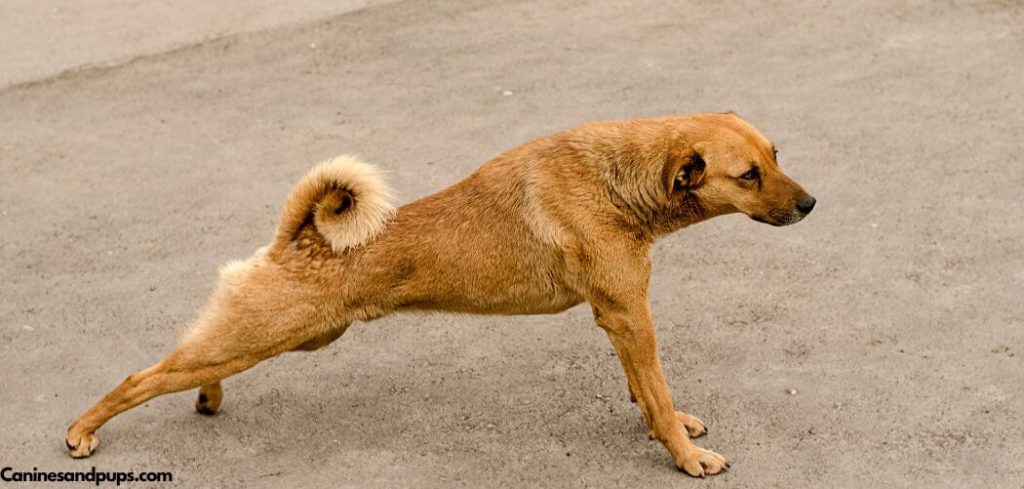
Some dogs pause during meals to stretch their front legs forward, lower their chest toward the ground, or extend their bodies before continuing to eat.
While occasional stretching during meals may simply be a harmless habit, repeated stretching can sometimes indicate discomfort, pain, or an underlying digestive issue.
The reason behind the stretching often depends on what other symptoms are present. A healthy dog that stretches briefly and continues eating normally may simply be adjusting its posture.
However, a dog that repeatedly stretches while eating, appears uncomfortable, eats slowly, or develops other concerning symptoms may be experiencing a medical problem that deserves attention.
Understanding why dogs stretch while eating can help you determine whether the behavior is normal or a sign that a veterinary evaluation may be needed.
Table of Contents
Dog Stretching While Eating: Why It Happens
A dog stretching while eating may happen because of normal body positioning, digestive discomfort, abdominal pain, food sensitivities, pancreatitis, gastrointestinal disease, or other conditions affecting the digestive tract.
Eating triggers a variety of digestive processes within the body. The stomach begins expanding, digestive enzymes are released, and the intestines start working to process food.
Some dogs naturally adjust their posture during this process and may stretch occasionally.
The frequency of the stretching and the presence of other symptoms are often the most important clues when determining whether the behavior is normal or concerning.
Dog Stretching While Eating: Common Causes
Normal Posture Adjustment During Meals
One of the simplest explanations is that some dogs naturally stretch while eating because they are adjusting their posture.
Dogs do not all eat the same way. Some stand comfortably throughout a meal, while others frequently shift positions. Stretching may help relieve mild muscle tension or improve comfort while eating.
This behavior is especially common in larger dogs, older dogs, and dogs that have been resting before mealtime. The stretching is usually brief, and the dog immediately resumes eating without hesitation.
Dogs displaying normal posture adjustments remain eager to eat, maintain a healthy appetite, and show no signs of illness. Their behavior remains consistent, and they typically do not exhibit digestive symptoms.
When stretching occurs occasionally, and your dog otherwise appears healthy, it is usually not a cause for concern.
Related: Dog stretching after eating (Why it happens)
Mild Digestive Discomfort
Digestive discomfort is a common reason dogs stretch during meals.
As food enters the stomach, mild pressure and gas can develop within the digestive tract. Some dogs stretch because it temporarily relieves the sensation of fullness or discomfort.
Dogs experiencing mild digestive upset may pause while eating, stretch briefly, and then continue their meal.
In some cases, other noticeable symptoms such as stomach noises, occasional burping, lip licking, or swallowing happen.
Dietary indiscretion, eating too quickly, sudden diet changes, and mild food intolerance can all contribute to digestive discomfort.
While occasional episodes may not be serious, recurring digestive symptoms should be discussed with a veterinarian.
Food Intolerance or Food Sensitivity
Some dogs stretch while eating because certain ingredients cause gastrointestinal irritation.
Food sensitivities can trigger inflammation within the digestive tract. As food enters the stomach and intestines, discomfort may develop, leading the dog to stretch repeatedly during meals.
Unlike food allergies, which often cause skin symptoms, food intolerances typically affect digestion. Dogs may develop gas, loose stools, vomiting, abdominal discomfort, or changes in appetite.
Stretching often occurs consistently with certain foods, but improves when the diet changes.
Identifying and eliminating problematic ingredients can significantly improve symptoms and reduce digestive discomfort.
Gastritis
Gastritis, or inflammation of the stomach lining, can cause dogs to stretch while eating.
When food enters an irritated stomach, discomfort may temporarily worsen. Dogs often respond by stretching because it helps relieve pressure within the abdomen.
Gastritis may result from eating spoiled food, garbage, toxins, medications, excessive treats, or chronic gastrointestinal disease.
Some dogs develop recurring gastritis due to food sensitivities or underlying health conditions.
Additional symptoms commonly include vomiting, lip licking, repeated swallowing, decreased appetite, and occasional grass eating.
Because chronic gastritis can lead to ongoing discomfort and nutritional issues, veterinary evaluation is recommended when symptoms persist.
Pancreatitis
Pancreatitis is one of the most important medical causes of stretching during meals.
The pancreas plays a key role in digestion. When it becomes inflamed, eating can trigger abdominal pain because food stimulates pancreatic activity.
Dogs with pancreatitis often assume a prayer-like position during or shortly after meals. They stretch their front legs forward while lowering their chest to the ground in an effort to reduce abdominal discomfort.
In addition to stretching, affected dogs commonly experience vomiting, diarrhea, lethargy, decreased appetite, and abdominal tenderness.
Some cases are mild, while others can become life-threatening. Repeated stretching during meals accompanied by signs of illness should always be taken seriously.
Abdominal Pain
Various conditions that cause abdominal pain can lead to stretching while eating.
The act of eating stimulates digestive activity, which may increase discomfort if an underlying problem exists. Dogs often stretch because it temporarily changes abdominal pressure and may provide short-term relief.
Abdominal pain can result from inflammatory bowel disease, intestinal infections, liver disease, gastrointestinal ulcers, foreign body ingestion, or other digestive disorders.
Many affected dogs become restless during meals and may repeatedly stop eating to stretch before continuing.
Because abdominal pain can indicate serious illness, persistent stretching during meals should not be ignored.
Gastrointestinal Obstruction
An intestinal blockage can occasionally cause stretching behavior while eating.
Dogs frequently swallow objects such as socks, toys, bones, rocks, or pieces of fabric. If these objects become lodged within the digestive tract, food movement becomes impaired, and abdominal discomfort develops.
Affected dogs may stretch repeatedly because of increasing pressure and pain. Appetite often decreases over time, and vomiting commonly develops.
Some dogs continue attempting to eat despite discomfort, making the stretching particularly noticeable during meals.
Because intestinal blockages can become life-threatening, immediate veterinary attention is necessary if obstruction is suspected.
Related: My dog keeps stretching and bowing (What it means)
Dog Stretching While Eating: What to Do
If your dog stretches while eating, monitor the behavior carefully and look for additional symptoms:
Observe how often the stretching occurs.
Monitor appetite and eating habits.
Watch for vomiting or diarrhea.
Feed a consistent diet.
Prevent access to table scraps and garbage.
Keep a record of symptoms.
Contact your veterinarian if the behavior becomes frequent.
Occasional stretching may be normal, but repeated stretching associated with digestive symptoms should be evaluated.
When to Call or Visit the Vet
Seek veterinary care if your dog has:
Frequent stretching during meals
Vomiting
Diarrhea
Loss of appetite
Weight loss
Excessive drooling
Signs of abdominal pain
Lethargy
Difficulty eating
Seek emergency care immediately if your dog develops severe abdominal swelling, repeated unproductive vomiting attempts, collapse, or severe pain.
Dog Stretching While Eating: Treatment
A physical examination by a veterinarian helps to assess whether the stretching is related to digestion, abdominal pain, musculoskeletal issues, or another underlying condition.
Diagnostic testing may include blood work, fecal testing, abdominal X-rays, ultrasound, and gastrointestinal evaluations.
These tests help identify conditions such as gastritis, pancreatitis, food intolerance, inflammatory bowel disease, or intestinal obstruction.
Treatment depends on the diagnosis. Some dogs improve with dietary changes and feeding adjustments, while others may require medications, hospitalization, or surgery.
Prompt diagnosis often improves treatment success and prevents complications.
Recovery and Monitoring
Dogs that are simply adjusting their posture while eating require no treatment. Mild digestive issues often improve once dietary triggers are removed. Chronic gastrointestinal diseases may require long-term management.
Monitor your dog’s appetite, weight, energy levels, stool quality, and frequency of stretching. Follow-up veterinary visits may be needed to ensure treatment is working effectively.
Early intervention often leads to better outcomes and improved digestive health.
Key Takeaway
Dog stretching while eating can be completely normal in some cases, especially when it represents a simple posture adjustment. However, repeated stretching during meals may indicate digestive discomfort, gastritis, food intolerance, pancreatitis, abdominal pain, or gastrointestinal disease.
Pay attention to whether the stretching occurs occasionally or consistently, and watch for symptoms such as vomiting, diarrhea, loss of appetite, or lethargy.
These additional signs can help determine whether the behavior is harmless or a sign of an underlying medical problem.
If your dog frequently stretches while eating or seems uncomfortable during meals, a veterinary evaluation can help identify the cause and ensure your dog receives appropriate treatment.


