
A dog’s face swollen and not eating is more concerning than facial swelling alone, because refusing food can indicate that the dog is experiencing pain, nausea, difficulty chewing, or another problem affecting its ability or willingness to eat.
Facial swelling can involve the muzzle, cheeks, lips, jaw, or areas around the eyes, and the severity can range from mild puffiness to pronounced swelling.
The meaning depends on how quickly the swelling appeared, where it is located, your dog’s age and medical history, and whether other signs are present.
A dog that is refusing food because chewing is painful may need different care from one with sudden facial swelling accompanied by weakness or breathing problems.
Table of Contents
Dog's Face Swollen and Not Eating: Why It Happens
A dog may have a swollen face and stop eating because the underlying problem is painful or makes chewing, swallowing, or opening the mouth uncomfortable.
Dental infections, tooth-root abscesses, oral injuries, facial abscesses, and significant inflammation are important possibilities, while sudden facial swelling with loss of appetite can also occur with allergic reactions or other acute problems.
The combination of facial swelling and refusing food should not be assumed to be a simple appetite change.
A veterinary examination is often needed to determine whether the mouth, teeth, skin, eyes, salivary glands, or deeper facial tissues are involved.
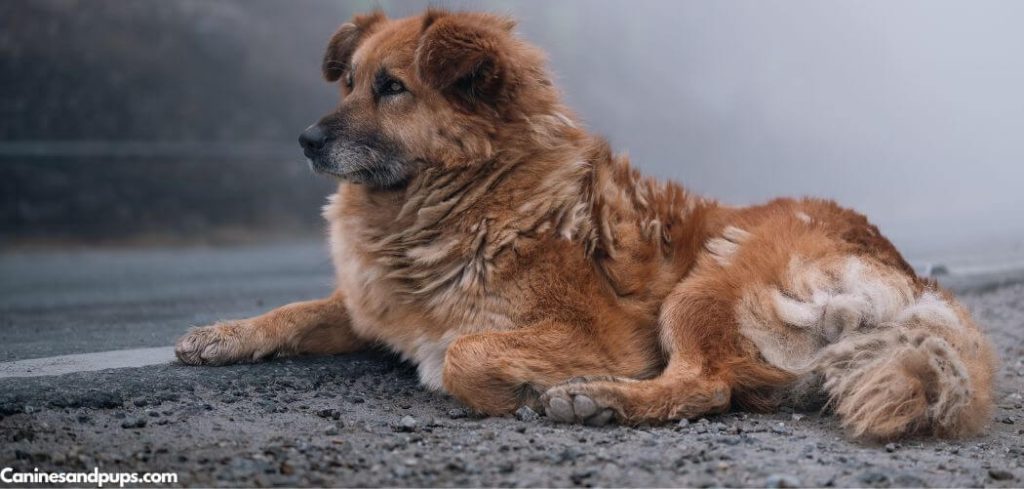
Dog’s Face Swollen and Not Eating: Common Causes
Tooth-Root Abscess
A tooth-root abscess is an important cause to consider when facial swelling occurs alongside a sudden reduction in appetite.
An infection can develop around the root of a damaged, fractured, or severely diseased tooth and become painful enough that the dog no longer wants to chew.
The swelling may appear beneath the eye or along the jaw, depending on the affected tooth.
Other signs can include bad breath, drooling, pawing at the mouth, chewing on one side, dropping food, or reluctance to have the face touched.
Some dogs will still drink or show interest in food but then stop eating once chewing becomes uncomfortable.
Related: Dog’s face swollen with no other symptoms (Causes and treatment)
Severe Dental Disease
Advanced periodontal disease can cause painful inflammation of the gums and tissues supporting the teeth. A dog may stop eating because the mouth hurts, particularly when chewing hard food.
Bad breath, red or swollen gums, loose or damaged teeth, drooling, and pawing at the mouth can provide additional clues.
Dental disease can also contribute to infections around individual teeth that produce visible facial swelling.
Oral Injury or a Foreign Object
A stick, bone fragment, plant material, or another object can become lodged in the mouth and cause inflammation, injury, or infection.
A painful oral injury can make a dog reluctant to eat even if the swelling is not immediately obvious inside the mouth.
Dogs with something painful in the mouth may drool, repeatedly lick their lips, paw at the mouth, drop food, or resist having their head handled.
Facial or Skin Abscess
An abscess can develop when bacteria become trapped beneath the skin, including after a bite wound, puncture, or other injury.
Facial abscesses can be painful and may cause swelling, tenderness, warmth, or eventually drainage.
If the swelling is painful enough, a dog may stop eating or drinking normally. A small puncture wound can sometimes be difficult to notice beneath fur, so the absence of an obvious wound does not completely rule out an abscess.
Related: Dog’s cheek swollen under the eye (Causes and what it means)
Allergic Reaction
An allergic reaction can cause sudden swelling of the muzzle, lips, cheeks, or areas around the eyes. In some dogs, the swelling is accompanied by other signs such as itching, hives, vomiting, or changes in behavior.
A dog may temporarily refuse food because it feels uncomfortable, particularly if the lips or mouth are swollen.
However, facial swelling that progresses rapidly is concerning because swelling can potentially affect the airway.
Insect Bite or Sting
A bite or sting can cause localized or more widespread facial swelling. If the reaction is significant, the dog may become uncomfortable and lose interest in food.
When swelling develops suddenly after your dog has been outdoors or investigating something, an insect bite or sting is one possible explanation.
However, the timing alone cannot distinguish an allergic reaction from other causes.
Trauma
An injury to the face, mouth, jaw, or teeth can result in swelling and make eating painful. Trauma may occur after a collision, fall, bite, or another accident.
If the dog has difficulty opening its mouth, appears painful when chewing, or has bleeding from the mouth or nose, veterinary examination is especially important.
Salivary Gland Problems
Disorders involving the salivary glands can cause swelling around the jaw, cheek, or upper neck. Depending on the location and severity, eating may become uncomfortable.
Salivary gland problems can sometimes be mistaken for ordinary facial swelling, particularly when the change is gradual.
A veterinarian can determine whether the swelling is originating from a salivary gland or another structure.
Oral or Facial Growth
A mass involving the mouth or facial tissues can cause swelling that develops gradually. Some growths may interfere with chewing or cause enough discomfort that a dog becomes reluctant to eat.
A persistent lump or swelling should therefore be examined rather than assumed to be an infection, especially if it continues to enlarge or repeatedly returns.
Infection or Inflammation Around the Eye
Swelling around the eye can have several causes, including inflammation or infection involving nearby tissues. Pain around the eye may make a dog reluctant to eat, particularly if moving the head or opening the mouth is uncomfortable.
Eye redness, discharge, squinting, a bulging eye, or difficulty opening the eye makes prompt veterinary assessment particularly important.
Related: Dog’s Face Swollen on Both Sides (Cause and treatment)
Dog’s Face Swollen and Not Eating but Still Drinking
A dog that is still drinking but refusing food may be experiencing pain when chewing or swallowing rather than having a complete loss of appetite.
Dental disease, an abscess, oral injury, or inflammation around the mouth can make eating uncomfortable.
Drinking normally is reassuring in one respect, but it does not identify the cause or mean that the facial swelling can safely be ignored. If the dog continues refusing food, veterinary assessment is appropriate.
Dog’s Face Swollen and Not Eating but Acting Normal
A dog can remain relatively alert and interactive despite having a painful dental or oral problem. Some dogs also hide signs of discomfort until the problem advances.
Therefore, acting normal does not rule out a significant cause of facial swelling.
A change in eating behavior is an important additional clue, particularly when it occurs at the same time as visible swelling.
Dog’s Face Swollen and Not Eating Suddenly
Sudden facial swelling combined with a sudden refusal to eat warrants prompt attention. An allergic reaction, insect bite or sting, acute injury, or rapidly developing infection may be responsible.
The urgency increases if the swelling is getting larger, the dog is drooling excessively, vomiting, becoming weak, or having difficulty breathing or swallowing.
When to Call or Visit the Vet
A dog with facial swelling that is also refusing food should generally be evaluated by a veterinarian, especially if the change is new or unexplained.
Seek urgent veterinary care if your dog has:
Difficulty breathing or swallowing
Rapidly worsening swelling of the face, muzzle, lips, or throat
Swelling of the tongue
Severe mouth or facial pain
Repeated vomiting with sudden facial swelling
Marked weakness, collapse, or unusual lethargy
Significant drooling or inability to swallow normally
An eye that is severely swollen, painful, or difficult to open
Bleeding, pus, or a draining wound around the face or mouth
A known bite, sting, or significant facial injury
Refusal to eat or drink that is continuing or worsening
Facial swelling can sometimes progress toward the airway, while painful dental infections and abscesses may require prompt treatment.
Dog’s Face Swollen and Not Eating: Treatment
Treatment depends on the underlying cause. A tooth-root abscess may require dental treatment such as extraction or another procedure, while an abscess, allergic reaction, injury, or other diagnosed condition requires different treatment.
Key Takeaway
A dog’s face swollen and not eating is often more concerning than facial swelling by itself because refusing food can indicate pain or difficulty using the mouth.
Dental disease, a tooth-root abscess, oral injury, a facial abscess, allergic reaction, and other conditions can produce this combination of symptoms.
If the swelling appeared suddenly or is increasing, pay close attention to breathing, swallowing, energy level, vomiting, and the ability to drink.
Difficulty breathing or swallowing, rapidly worsening swelling, severe weakness, or swelling of the tongue or throat requires urgent veterinary care.
Even if your dog is otherwise alert, persistent facial swelling combined with not eating should be evaluated by a veterinarian.
Finding the underlying cause is important because treatment varies substantially depending on whether the problem originates from a tooth, mouth, skin, allergy, salivary gland, eye, or another facial structure.


