
It can be surprising to look at your dog and suddenly notice a swollen face, especially when they seem completely normal otherwise.
Many dogs continue eating, drinking, playing, and acting like themselves despite noticeable facial swelling.
While some causes are relatively minor, facial swelling should always be taken seriously because it can sometimes progress quickly or indicate an underlying problem.
Table of Contents
Dog's Face Swollen No Other Symptoms: Why It Happens
A dog’s face may become swollen without other symptoms because of an allergic reaction, insect sting, dental disease, injury, infection, or a growth affecting the tissues of the face.
Some causes develop suddenly, while others progress slowly over days or weeks.
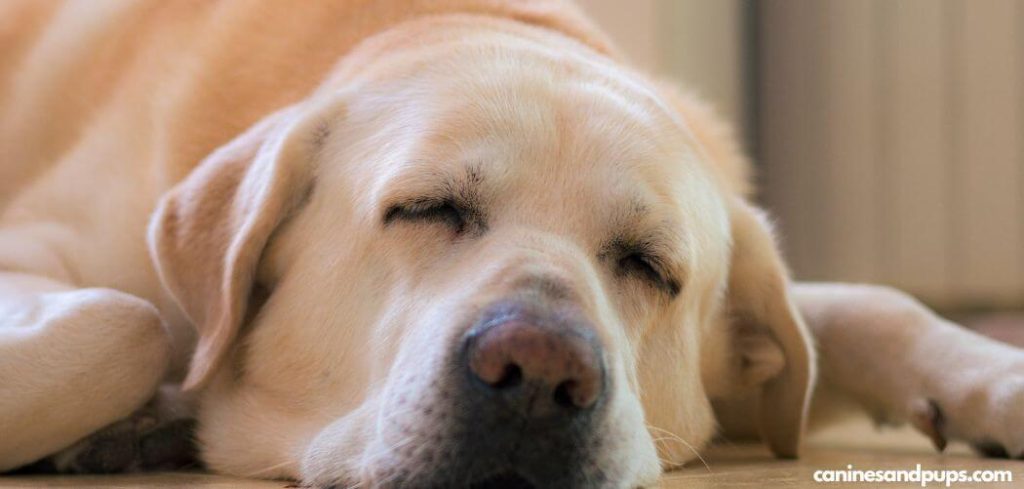
Dog Swollen Face but Acting Normal
A dog with a swollen face but otherwise acting normal may have a mild allergic reaction, insect sting, minor injury, or dental issue.
Some dogs continue eating, drinking, and playing normally despite noticeable facial swelling.
Even if the dog seems comfortable, facial swelling should be monitored closely because some causes can worsen rapidly.
If the swelling increases, affects breathing, or is accompanied by vomiting, hives, or lethargy, immediate veterinary attention is needed.
Dog Face Swollen Suddenly
Sudden facial swelling is most commonly caused by an allergic reaction, insect sting, spider bite, or exposure to an allergen. In some cases, trauma or infection can also cause rapid swelling.
Allergic reactions often develop within minutes to hours and may affect one or both sides of the face.
Because sudden swelling can occasionally progress to breathing difficulties, dogs with rapidly developing facial swelling should be monitored carefully and evaluated by a veterinarian.
How Long Will a Dog’s Face Stay Swollen?
The duration of facial swelling depends on the cause. Mild allergic reactions may improve within 24 to 48 hours, especially with appropriate treatment.
Swelling caused by dental abscesses, infections, or injuries often lasts much longer and may worsen until the underlying problem is addressed.
If swelling does not improve within a day or two, or continues to increase, veterinary evaluation is necessary.
Dog’s Face Swollen with No Other Symptoms: Signs
Common signs may include:
Swelling of the face
Puffy cheeks
Swollen muzzle
Facial asymmetry
Mild redness
Swollen eyelids
Sensitivity when touched
Otherwise normal behavior
Dog’s Face Swollen No Other Symptoms: Common Causes
Mild Allergic Reaction
One of the most common causes of sudden facial swelling in dogs is a mild allergic reaction.
Dogs can react to insect bites, stings, plants, medications, foods, vaccines, or environmental allergens. When the immune system responds, fluid can accumulate within the facial tissues, creating puffiness around the muzzle, cheeks, eyes, or lips.
In mild cases, facial swelling may be the only symptom. The dog may continue acting completely normal, eating normally, and showing no signs of distress.
However, allergic reactions can sometimes worsen unexpectedly. Even if the swelling initially appears mild, owners should monitor closely for breathing difficulties, vomiting, or increasing swelling.
Related: Lump on dog with no other symptoms (What it means)
Insect Sting or Bite
Bee stings, wasp stings, spider bites, and other insect encounters frequently cause facial swelling.
Dogs often investigate insects with their noses and mouths, making the face a common location for stings. A sting can trigger localized inflammation that causes one side or the entire face to appear swollen.
Some dogs seem entirely unaffected aside from the swelling itself. Others may briefly paw at the face or rub their nose before returning to normal activities.
Because the swelling can take several hours to fully develop, owners may not witness the actual sting.
Dental Disease or Tooth Root Infection
Dental problems are one of the most overlooked causes of facial swelling.
An infected tooth root can create swelling beneath the skin of the face, particularly below the eye or along the cheek. The infection develops gradually and may become noticeable before obvious signs of pain appear.
Many dogs continue eating and behaving normally despite significant dental disease. Owners may not realize there is a problem until swelling becomes visible.
Bad breath, chewing changes, dropping food, or tartar buildup may eventually appear, but these signs are not always obvious early on.
Related: Dog diarrhea with no other symptoms (What it means)
Minor Trauma
A small injury can sometimes cause facial swelling without producing other symptoms.
Dogs may bump into objects, play roughly, run through bushes, or experience minor injuries that owners never witness. The resulting inflammation can cause one area of the face to become swollen.
Because the injury may be relatively mild, many dogs continue acting completely normal. The swelling often improves gradually over several days.
Look for scratches, puncture wounds, tenderness, or signs of discomfort that might help identify the source of the swelling.
Salivary Gland Problems
The salivary glands help produce saliva and are located around the jaw and neck region.
Occasionally, a salivary gland becomes damaged or blocked, allowing saliva to accumulate beneath the skin. This creates a soft swelling that may appear along the cheek, jawline, or throat area.
Many dogs show few symptoms initially and may continue acting normally despite noticeable swelling.
Because the swelling often persists rather than resolving quickly, veterinary evaluation is usually needed.
Localized Infection
Infections affecting the skin, tissues beneath the skin, or nearby structures can cause facial swelling.
The infection may begin with a small wound, puncture, scratch, or irritated area that becomes infected over time. Early infections sometimes cause swelling before other symptoms develop.
As the infection progresses, redness, warmth, pain, or drainage may eventually appear.
Dogs often continue acting normally during the early stages, which can make the swelling seem less concerning than it actually is.
Growths or Tumors
Not all facial swelling develops suddenly.
Some masses, cysts, or tumors grow slowly beneath the skin and may eventually create visible swelling. Owners often notice one side of the face looking different than the other.
Depending on the location and type of growth, the dog may show no other symptoms initially. As the growth enlarges, additional signs may eventually develop.
While tumors are less common than allergic reactions or dental disease, persistent swelling should always be investigated.
Dog Face Swollen On One Side No Pain
A dog’s face may become swollen on one side without obvious pain due to a tooth root abscess, salivary gland problem, insect bite, cyst, or localized infection.
Dogs often hide discomfort well, so the absence of visible pain does not necessarily mean the condition is minor.
Swelling confined to one side usually suggests a localized issue rather than a generalized allergic reaction.
A veterinary examination can help determine whether the swelling originates from the teeth, skin, or deeper tissues.
Read more: Dog face swollen on one side, no pain (Causes and treatment)
Why Is My Dog’s Face Swollen On One Side Overnight?
Facial swelling that appears overnight is often caused by a tooth root abscess, insect bite, allergic reaction, or localized infection.
A dog may go to sleep appearing normal and wake up with visible swelling because inflammation can develop rapidly while resting. Dental abscesses are especially common causes of sudden one-sided facial swelling.
A veterinarian can determine whether the swelling is related to dental disease, infection, or another issue requiring treatment.
Dog’s Face Swollen On One Side Under Eye
Swelling beneath one eye is highly suggestive of a tooth root abscess involving an upper tooth.
Infection around the tooth root can spread into the tissues below the eye, creating a noticeable lump or swelling.
Dogs may also have bad breath, difficulty eating, or reluctance to chew on one side.
This condition usually requires veterinary treatment, often including antibiotics and dental care.
Dog’s Face Swollen On One Side
When swelling affects only one side of the face, common causes include dental disease, localized infections, trauma, insect bites, cysts, or tumors.
The exact location of the swelling can provide clues about the cause. For example, swelling near the muzzle may point toward a tooth problem, while swelling near the ear could indicate a different issue.
Persistent one-sided swelling should always be examined by a veterinarian.
Dog’s Face Swollen On Both Sides
Swelling on both sides of a dog’s face is more commonly associated with allergic reactions, insect stings, or systemic inflammatory conditions.
Bilateral swelling often develops rapidly and may affect the cheeks, muzzle, lips, or around the eyes. Some dogs may also develop hives or itching at the same time.
Because allergic reactions can occasionally become severe, dogs with sudden swelling on both sides of the face should be monitored closely.
Dog’s Face Swollen and Not Eating
A dog with facial swelling that refuses to eat may be experiencing significant pain or discomfort.
Dental abscesses, oral infections, jaw injuries, and severe inflammation can make chewing difficult and painful.
Loss of appetite is a more concerning sign than swelling alone because it suggests the problem is affecting the dog’s overall well-being.
Veterinary attention is needed, especially if the dog also appears lethargic or has difficulty opening its mouth.
Dog’s Swollen Face After Eating
Facial swelling after eating may be caused by a food allergy, allergic reaction to an ingredient, insect sting near the food bowl, or irritation from something the dog consumed.
Allergic reactions can develop shortly after a meal and may cause swelling of the lips, muzzle, cheeks, or around the eyes.
If the swelling is mild and resolves quickly, the cause may be relatively minor. However, if swelling progresses, recurs after meals, or is accompanied by breathing difficulties, vomiting, or weakness, immediate veterinary care is necessary.
Dog’s Face Swollen with No Other Symptoms: What to Do
Examine your dog’s face carefully and note exactly where the swelling is located. Determine whether one side or both sides of the face are affected.
Monitor the size of the swelling and take photos if possible to track changes.
Check for signs of insect stings, wounds, redness, discharge, or swelling around the teeth and gums if your dog allows it.
Continue monitoring appetite, energy level, breathing, and behavior for any changes.
When to Call or Visit the Vet
Contact your veterinarian if facial swelling does not improve within 24 to 48 hours or if the cause is unclear.
Schedule an appointment if you notice:
Persistent swelling
Bad breath
Facial tenderness
Swelling near the eye
Difficulty chewing
Recurrent swelling
Seek immediate veterinary attention if your dog develops:
Difficulty breathing
Rapidly worsening swelling
Severe facial swelling
Collapse
Vomiting
Pale gums
Dog’s Face Swollen, No Other Symptoms: Treatment
The veterinarian may perform a physical examination and inspect the mouth, teeth, skin, and facial structures.
Depending on the findings, testing may include dental X-rays, bloodwork, imaging studies, or sampling of any masses or fluid-filled areas.
Treatment depends on the underlying cause and may include allergy treatment, antibiotics, dental procedures, drainage of infected areas, or management of growths.
Recovery and Monitoring
Recovery varies depending on the cause. Mild allergic reactions and insect stings often improve within a few days, while dental infections or salivary gland problems may require more extensive treatment.
Monitor the swelling daily and watch for changes in appetite, breathing, energy level, or facial appearance. Follow-up veterinary visits may be recommended if the swelling does not resolve as expected.
Key Takeaway
A dog with a swollen face but no other symptoms may be experiencing an allergic reaction, insect sting, dental problem, minor injury, or another localized issue. Although some causes are relatively mild, facial swelling should never be ignored because certain conditions can worsen quickly.
If the swelling persists, increases, or is accompanied by new symptoms, veterinary evaluation can help identify the cause and ensure appropriate treatment.


