
If you’ve noticed swelling on your dog’s cheek just below the eye, it’s important not to ignore it.
While the swelling may seem minor at first, this particular location is commonly associated with dental problems, infections, and other conditions that often require veterinary attention.
Some dogs continue acting completely normal despite noticeable swelling, while others may eventually develop pain or additional symptoms.
Table of Contents
Dog's Cheek Swollen Under Eye: Why It Happens
A dog’s cheek may become swollen under the eye because of a tooth root abscess, dental infection, injury, insect sting, skin infection, or a growth affecting the tissues of the face.
The area beneath the eye sits very close to the roots of the upper teeth, which is why dental disease is one of the most common causes of swelling in this location.
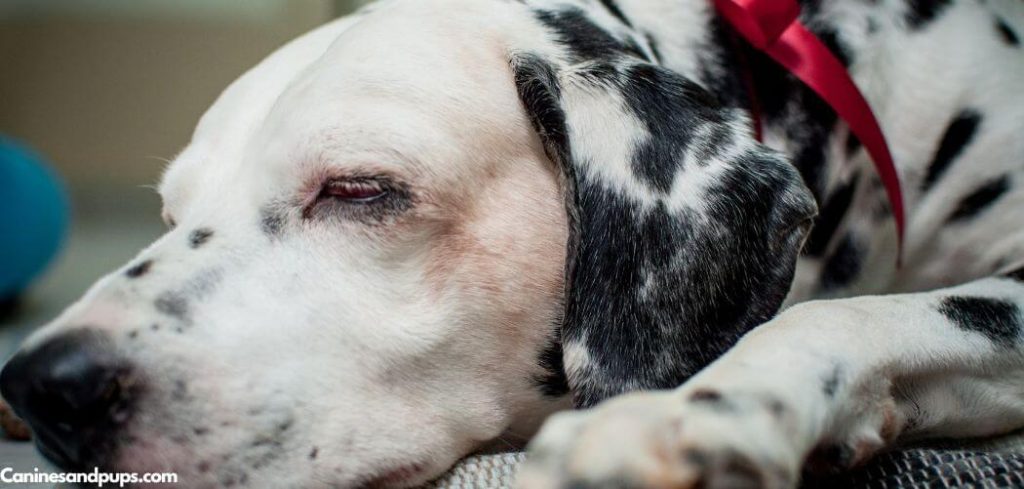
Dog’s Cheek Swollen Under Eye: Symptoms
Common symptoms may include:
Swelling below the eye
Puffy cheek
Facial asymmetry
Bad breath
Drooling
Difficulty chewing
Facial tenderness
Reduced appetite
Dog’s Cheek Swollen Under Eye: Common Causes
Tooth Root Abscess
A tooth root abscess is by far one of the most common causes of swelling beneath a dog’s eye.
The roots of the upper fourth premolar tooth, sometimes called the carnassial tooth, extend deep into the upper jaw directly below the eye.
When bacteria invade the tooth root, an infection develops beneath the gum line. As pressure builds from the infection, swelling often appears on the cheek under the eye.
Many owners are surprised because their dog may not show obvious signs of pain.
Dogs frequently continue eating and behaving normally even when a significant infection is present. In some cases, the swelling is the first symptom owners notice.
Additional signs can include bad breath, chewing on one side of the mouth, dropping food, reluctance to eat hard treats, or occasional pawing at the face. Without treatment, the swelling may eventually rupture and begin draining fluid.
Read more: Dog Eye Not Opening Fully (Causes and treatment)
Severe Dental Disease
Even without a true tooth root abscess, advanced dental disease can sometimes cause swelling in the tissues beneath the eye.
Over time, plaque and tartar buildup allow bacteria to spread below the gum line. Chronic infection and inflammation can affect surrounding structures, including the jaw and facial tissues.
Senior dogs are particularly prone to dental disease, although it can occur in dogs of any age. Because the condition develops gradually, owners may overlook early signs until facial swelling becomes obvious.
The swelling may appear mild at first but it often worsens if the underlying dental disease is not treated.
Injury or Trauma
A blow to the face can cause swelling below the eye. Dogs may run into furniture, collide with another dog during play, or sustain minor injuries outdoors.
Even if the injury seems insignificant, inflammation and bruising can lead to noticeable swelling in the cheek area.
Sometimes owners never witness the incident and only notice that one side of the face suddenly appears larger.
Depending on the severity of the injury, dogs may show tenderness, mild bruising, or no obvious discomfort at all.
Related: Dog Mucus Eye Discharge (What it means)
Insect Sting or Bite
Bee stings, wasp stings, spider bites, and other insect encounters can cause localized facial swelling.
If the sting occurs near the muzzle, cheek, or under-eye area, the resulting inflammation may create a puffy appearance beneath one eye. Some dogs experience only localized swelling, while others develop a more generalized facial reaction.
Many dogs continue acting normally despite significant swelling. Others may paw at their face or rub the affected area against furniture or the ground.
The swelling often develops rapidly and may appear dramatic despite causing minimal discomfort.
Skin Infection or Abscess
Bacterial infections beneath the skin can create swelling in the cheek region.
A small puncture wound, bite, scratch, or skin irritation may become infected and eventually form an abscess. As inflammatory fluid accumulates beneath the skin, the area below the eye may become swollen.
Initially, the swelling may be the only noticeable symptom. As the infection progresses, the area may become warm, painful, red, or begin draining fluid.
Immediate treatment is important because untreated infections can spread into deeper tissues.
Salivary Gland Disorders
Problems involving the salivary glands can occasionally cause facial swelling.
When saliva leaks into surrounding tissues because of injury or blockage, a fluid-filled swelling may develop. Depending on the affected gland, swelling can appear along the cheek, jawline, or beneath the eye.
These swellings are often soft and may not cause obvious pain initially. Because they tend to persist rather than resolve on their own, veterinary treatment is usually needed.
Tumors or Growths
Persistent swelling under the eye may sometimes be caused by a growth.
Both benign and cancerous masses can develop within the facial tissues, jaw, mouth, or nearby structures. These growths often enlarge gradually and may initially cause no pain.
You may notice that one side of the face appears different long before your dog develops other symptoms.
Because tumors can mimic infections and other conditions, veterinary evaluation is essential whenever swelling does not improve.
Dog’s Cheek Swollen Under Eye: What to Do
Examine the swollen area carefully if your dog allows it. Notice whether the swelling is soft, firm, warm, or painful to the touch.
Check your dog’s mouth for bad breath, tartar buildup, broken teeth, or signs of dental disease.
Monitor eating habits and note whether your dog seems reluctant to chew hard food or treats.
Take daily photos of the swelling to track changes and help your veterinarian evaluate progression.
When to Call or Visit the Vet
Because swelling beneath the eye is commonly associated with dental infections, veterinary evaluation is usually recommended.
Schedule an appointment if you notice:
Swelling below the eye
Bad breath
Difficulty chewing
Excessive drooling
Facial tenderness
Recurrent swelling
Seek immediate veterinary attention if your dog develops:
Difficulty breathing
Rapidly worsening swelling
Severe pain
High fever
Collapse
Significant facial discharge
Dog’s Cheek Swollen Under Eye: Treatment
Your veterinarian may perform a physical examination and closely inspect your dog’s teeth and mouth. Dental X-rays are often needed because many tooth root infections cannot be seen from the outside.
Treatment depends on the cause and may include tooth extraction, dental cleaning, antibiotics, drainage of abscesses, treatment of infections, removal of growths, or management of other underlying conditions.
Recovery and Monitoring
Recovery is generally excellent when dental infections and abscesses are treated early. Swelling often begins improving within a few days after appropriate treatment.
Continue monitoring the area for recurrence, changes in eating habits, bad breath, or new swelling. Follow-up appointments may be necessary depending on the underlying cause.
Key Takeaway
A swollen cheek under a dog’s eye is commonly caused by a tooth root abscess, dental disease, injury, insect sting, infection, or growth. Dental infections are especially common because the roots of the upper teeth sit directly beneath the eyes.
Even if your dog seems comfortable, swelling in this location should not be ignored. Veterinary evaluation can help identify the cause and prevent more serious complications.


