
When a dog suddenly starts excessively salivating, it’s alarming and often confusing because drooling can signal everything from mild nausea to a serious medical emergency.
The suddenness of the symptom makes it even more concerning when you aren’t sure what triggered it.
This guide explains the most common causes of sudden excessive salivation in dogs, what you can do at home, and when it’s best to involve your veterinarian.
Table of Contents
Dog Suddenly Excessively Salivating: Why It Happens
A dog suddenly excessively salivating is usually reacting to nausea, mouth pain, anxiety, toxin exposure, or gastrointestinal irritation that stimulates active drooling. When drooling appears suddenly, it often means something has abruptly affected the dog’s mouth, throat, stomach, or stress response.
This can happen after eating something irritating, chewing on something sharp, getting stung, developing sudden nausea, or reacting to a toxin.
Pain, fear, or overheating may also trigger excessive salivation because they activate the same nerves that control drooling.
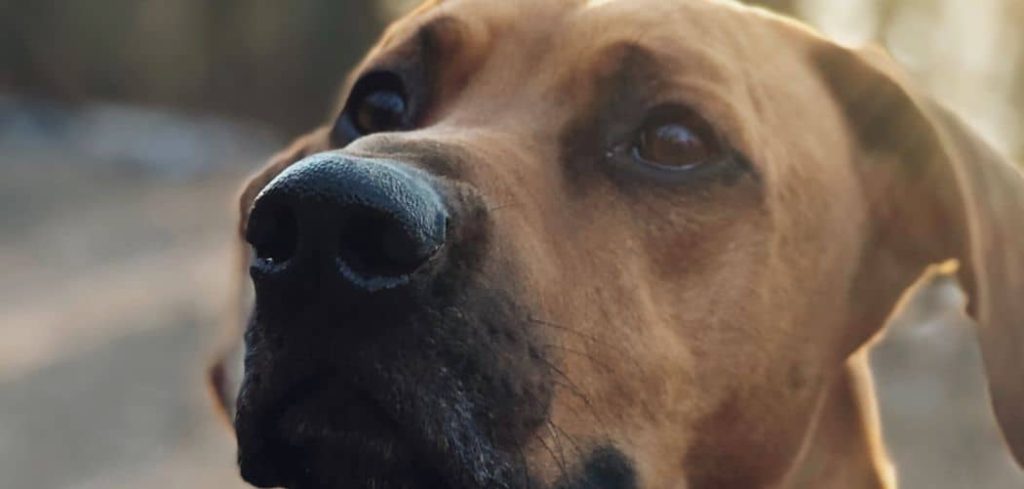
Excessive Salivation in Dogs: Symptoms
Excessive salivation, also known as hypersalivation or drooling, occurs when a dog produces more saliva than normal or has difficulty swallowing it.
Common symptoms include strings of saliva hanging from the mouth, wet fur around the lips and chest, frequent swallowing, lip smacking, pawing at the mouth, bad breath, and drool puddles on the floor.
Some dogs may also show signs of nausea, reduced appetite, vomiting, or discomfort depending on the underlying cause.
While some breeds naturally drool more than others, sudden or excessive drooling is often a sign that something is wrong and should be investigated, especially if it is accompanied by other symptoms.
Is Excessive Drooling In Dogs An Emergency?
Excessive drooling can be an emergency if it develops suddenly or occurs alongside symptoms such as difficulty breathing, collapse, seizures, vomiting, weakness, or suspected toxin exposure.
Serious conditions, including poisoning, heatstroke, oral injuries, foreign objects in the mouth, and neurological disorders, can cause rapid-onset drooling.
If a dog is otherwise bright and comfortable, the cause may be less urgent, but persistent, excessive drooling still warrants veterinary attention. Any sudden, severe, or unexplained drooling should be taken seriously.
Related: Dog suddenly drooling from one side of the mouth (What it means)
Dog Suddenly Excessively Salivating: Common Causes
Nausea or Motion Sickness
Nausea is one of the most common causes of sudden excessive salivation in dogs.
When a dog feels nauseous, the body increases saliva production to protect the teeth and mouth from stomach acid in case vomiting occurs.
This leads to stringy drool, lip licking, swallowing movements, or pacing.
Dogs may become nauseous due to dietary indiscretion, eating grass, stomach upset, early vomiting, gastrointestinal infections, or motion sickness.
Even mild nausea can produce dramatic drooling, which makes the symptom appear sudden and concerning.
Because nausea can be linked to anything from simple indigestion to serious illness, owners should closely observe whether their dog’s condition improves or worsens.
Related: Dog throwing up and drooling (Why it happens)
Dental Pain
A sudden mouth injury or dental flare-up can cause immediate, heavy drooling. Dogs may crack a tooth, get a splinter stuck in their gum, bite their cheek, or develop a sudden dental infection.
When the mouth is painful, the dog produces excess saliva and may refuse to close their mouth fully, causing drool to pour out.
You might notice pawing at the mouth, reluctance to chew, foul breath, or visible redness.
Sharp objects from toys, sticks, bones, or even shards of plastic can lodge in the mouth unexpectedly.
Because oral injuries worsen quickly, especially if an infection begins, excessive salivation in this context is a prompt to inspect the mouth carefully and seek veterinary help if the cause isn’t obvious.
Stress
Stress-related drooling is extremely common and tends to appear very suddenly. Anxious dogs may drool excessively during fireworks, thunderstorms, grooming sessions, car rides, or unfamiliar environments.
Stress activates the sympathetic nervous system, which triggers both panting and salivation.
A dog may tremble, pace, pant heavily, hide, or cling to their owner alongside the sudden drooling.
Dogs who are naturally sensitive or have a history of anxiety may react more intensely, producing puddles of saliva in a very short time.
While stress drooling typically resolves once the dog calms down, repeated episodes indicate that the dog may benefit from behavioral support or calming strategies.
Toxin Exposure
Toxin exposure is one of the most urgent causes of sudden excessive salivation.
Many toxins—including household cleaners, certain plants, medications, pesticides, and chemical substances—cause instant irritation to the mouth or stomach.
This irritation produces intense drooling, often accompanied by pawing at the mouth, vomiting, trembling, restlessness, or collapse.
Even licking something irritating like frog secretions, saps, essential oils, or spicy foods can trigger sudden drooling.
Xylitol, rodent poisons, and certain gardening chemicals can cause life-threatening reactions within minutes.
If drooling begins right after your dog chewed or licked something unusual, this should be treated as a time-sensitive situation.
Immediate veterinary intervention can dramatically improve outcomes in cases involving toxins.
Heatstroke or Overheating
Overheating can cause a dog to drool heavily as the body tries to cool itself. When body temperature rises too quickly, dogs pant hard and produce large amounts of saliva that may drip or foam at the mouth.
You might notice glazed eyes, bright red gums, wobbliness, or collapse if heatstroke is developing.
Heatstroke is a medical emergency, especially in brachycephalic breeds like Bulldogs or Pugs who already struggle to regulate temperature.
Excessive drooling can be one of the first visible signs, especially during hot weather, exercise, or confinement in poorly ventilated areas.
Immediate cooling and veterinary care are essential if overheating is suspected.
Foreign Object Stuck in the Throat or Mouth
A dog that suddenly excessively salivates may have something stuck in their mouth or throat. This can happen with sticks, bone fragments, pieces of toys, or even tennis ball fuzz.
When a foreign body presses on the gums, tongue, or throat, the dog instinctively produces saliva to try to dislodge it.
You may see repeated swallowing, gagging, pawing at the face, retching, or visible panic.
A stuck object can cause significant pain or block the airway, making this one of the more serious causes of sudden drooling.
Immediate veterinary care is necessary if a foreign object cannot be safely removed at home or if there are signs of respiratory distress.
My Dog Is Drooling and Acting Strange
A dog that is drooling and behaving unusually may be experiencing pain, nausea, poisoning, neurological disease, anxiety, or another medical problem.
Acting strangely can include pacing, hiding, confusion, restlessness, aggression, weakness, or disorientation.
Excessive drooling combined with abnormal behavior is often a sign that the dog is feeling unwell rather than simply producing extra saliva.
Because the range of possible causes includes serious conditions, veterinary evaluation is needed, particularly if the behavior change is sudden or worsening.
Dog Suddenly Excessively Salivating at Night
A dog that suddenly begins drooling heavily at night may be experiencing nausea, oral pain, anxiety, exposure to a toxin, or a medical condition that becomes more noticeable when the household is quiet.
Some dogs pace, lick excessively, or appear restless, along with drooling if nausea is present.
Occasional mild drooling may not be serious, but sudden excessive salivation that occurs repeatedly or is accompanied by vomiting, discomfort, or unusual behavior should be evaluated by a veterinarian.
Dog Suddenly Excessively Salivating and Lethargic
Excessive salivation combined with lethargy is a concerning combination of symptoms. This can occur with poisoning, severe nausea, infections, heatstroke, organ disease, pain, or neurological conditions.
A lethargic dog may appear weak, tired, uninterested in food, or reluctant to move, which suggests the underlying problem may be significant.
Because both drooling and lethargy can indicate a serious illness, veterinary attention should be sought immediately, especially if symptoms develop suddenly.
Puppy Suddenly Drooling Excessively
A puppy that suddenly starts drooling excessively may have an object stuck in its mouth, mouth irritation, teething discomfort, nausea, toxin exposure, or an infection.
Puppies are naturally curious and often chew or ingest things they should not, making oral injuries and accidental poisoning important considerations.
Since puppies can deteriorate quickly when ill, sudden excessive drooling should be monitored closely.
Veterinary care is needed if the drooling is severe, persistent, or accompanied by vomiting, diarrhea, lethargy, or difficulty swallowing.
Old dog Suddenly Excessively Salivating
An older dog that suddenly begins drooling excessively may be experiencing dental disease, oral tumors, nausea, kidney disease, neurological disorders, or other age-related health conditions.
Senior dogs are more likely to develop chronic illnesses that can trigger increased saliva production or make swallowing difficult.
Because excessive salivation is not a normal part of aging, a veterinary examination is required, particularly if your dog also shows appetite changes, weight loss, lethargy, or behavioral changes.
Related: Old dog drooling (Causes explained)
Dog Suddenly Excessively Salivating: What to Do
If your dog is suddenly excessively salivating, start by calmly assessing their behavior and environment.
Check their mouth carefully if they allow you to. Look for stuck food, foreign objects, bleeding, swelling, or cracked teeth. If the dog resists or is in too much pain, avoid forcing their mouth open and let a veterinarian examine them safely.
Consider whether your dog may be nauseous. If they recently ate something unusual or are showing signs like lip licking, pacing, or swallowing, offer rest and avoid feeding heavy meals for several hours.
Monitor for signs of toxin exposure. If your dog had access to chemicals, plants, medications, or anything unusual on the floor or outdoors, treat the situation seriously. Quickly gathering information about what they may have ingested helps the vet respond faster.
Keep your dog cool and rested. Overheating can worsen drooling, so move your dog to a shaded or cool spot and encourage calm behavior.
Observe their energy level, breathing, and ability to swallow. If the drooling eases over the next hour and your dog seems stable, continued home monitoring may be safe.
However, always err on the side of caution with sudden drooling, especially if you cannot identify the trigger or if your dog’s condition feels abnormal for them.
When to Call or Visit Your Vet
Contact your veterinarian right away if your dog’s drooling is accompanied by vomiting, shaking, or difficulty swallowing.
Any signs of toxin exposure—including tremors, collapse, or ingestion of unknown substances—require immediate emergency care.
If the drooling is worsening instead of improving after an hour of monitoring, this is a sign that something more serious is happening.
Heatstroke signs such as heavy panting, dark red gums, or weakness should be treated as an emergency.
If your dog cannot close their mouth normally or you see swelling of the face or throat, seek care right away.
Foreign objects lodged in the mouth or throat also require urgent veterinary attention, especially if breathing seems compromised.
When excessive drooling appears suddenly, it is better to act quickly than to wait too long and risk complications.
Read more: My dog is lethargic and drooling (What it means)
Key Takeaway
Sudden excessive salivation in a dog can be caused by simple issues like nausea or anxiety, but it can also signal more urgent problems such as toxin exposure, foreign objects, or heatstroke.
Careful observation, calm handling, and early intervention make a big difference in keeping your dog safe.
If you’re ever unsure or if symptoms worsen quickly, contacting your veterinarian is always the safest choice. Your dog’s comfort and well-being come first, and fast action can prevent complications.


