
A dog that is drooling and lethargic may seem noticeably different from their usual self, especially when the excessive saliva appears alongside reduced energy or a reluctance to participate in normal activities.
You may notice wet fur around the mouth, frequent swallowing, lip licking, or more drooling than your dog typically produces.
Excessive drooling and marked lethargy are both signs worth taking seriously, particularly when they occur together.
We outline the reasons behind a dog drooling excessively and acting lethargic, and what these symptoms could mean when they appear together.
Table of Contents
Dog Drooling and Lethargic: What It Means
When a dog is drooling excessively and showing signs of lethargy, it often indicates an underlying health issue that needs attention. This combination of symptoms can be caused by a range of problems such as nausea, poisoning, heatstroke, oral pain, infections, or serious conditions like organ failure or neurological disorders.
Excessive drooling may result from nausea or oral discomfort, while lethargy reflects that the dog is feeling weak, tired, or unwell.
Because these symptoms together can signal anything from mild digestive upset to life-threatening emergencies, it’s important to monitor your dog closely and seek veterinary care promptly if the behavior persists, worsens, or is accompanied by other signs like vomiting, collapse, or disorientation.
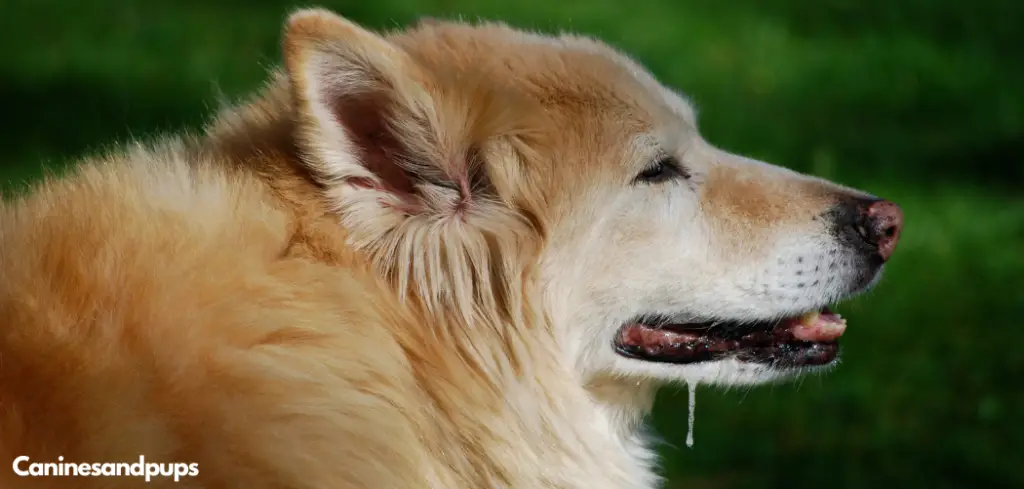
Dog Drooling and Lethargy: Common Causes
1. Heatstroke
One of the most dangerous causes of excessive drooling and lethargy in dogs is heatstroke.
This condition occurs when a dog’s body overheats and can’t cool itself down fast enough.
Symptoms of heatstroke in dogs include:
Heavy panting
Bright red gums
Excessive drooling
Vomiting or diarrhea
Weakness or collapse
Lethargy or unresponsiveness
Heatstroke is a medical emergency. Brachycephalic breeds (like Bulldogs or Pugs) and dogs left in hot environments are especially prone.
Move your dog to a cool place, offer water, and seek immediate veterinary care.
Related: Dog drooling and shaking head (Explained)
2. Nausea or Upset Stomach
Nausea is a frequent reason for drooling in dogs. When dogs feel nauseous, they tend to salivate more and may become sluggish or reluctant to move.
Common causes of nausea include:
Motion sickness
Dietary indiscretion (eating something they shouldn’t)
Gastrointestinal infections
Pancreatitis
A dog that is drooling and lethargic with an upset stomach may also show signs of:
Lip smacking
Vomiting or gagging
Loss of appetite
Pacing or restlessness
If nausea lasts more than a few hours or is accompanied by vomiting or diarrhea, contact your vet.
3. Poisoning or Toxin Exposure
One of the most alarming causes of a dog being drooly and lethargic is poisoning. Dogs may ingest toxins such as:
Chocolate
Grapes or raisins
Human medications
Household cleaners
Pesticides or rat poison
Toxins can rapidly affect a dog’s digestive, neurological, or cardiovascular systems.
Signs of poisoning in dogs include:
Sudden excessive drooling
Vomiting or diarrhea
Tremors or seizures
Pale gums
Weakness or collapse
If you suspect poisoning, don’t wait—call your veterinarian or an emergency animal poison hotline immediately.
Related: Dog Drooling and Runny Nose (Explained)
4. Oral Injuries or Dental Problems
Dental diseases like gum infections, broken teeth, or foreign objects stuck in the mouth can lead to dog drooling excessively and acting lethargic.
Oral pain can affect your dog’s appetite and behavior.
Other signs of dental issues include:
Swollen face or jaw
Dropping food from the mouth
Pawing at the mouth
Bad breath
If your dog is drooling with a swollen mouth and low energy, an oral exam is necessary.
5. Infections and Fever
Systemic infections—bacterial, viral, or fungal—can make your dog feel drained and sick, which explains why a dog becomes lethargic and drools more than usual.
Fever associated with infections may increase panting and salivation, particularly if the throat, respiratory system, or mouth is involved.
Look out for:
Shivering or trembling
Dehydration
Loss of appetite
Swollen lymph nodes
Veterinary tests like bloodwork or imaging may be required to diagnose and treat the infection.
6. Liver or Kidney Disease
Chronic conditions like liver or kidney failure often result in lethargy and drooling in dogs as waste products build up in the blood and make them feel nauseous or unwell.
Symptoms to watch for:
Bad breath (especially ammonia-like)
Vomiting
Increased thirst and urination
Yellowing of eyes or gums (jaundice)
Sudden weight loss
If your dog has persistent drooling and is sluggish, it’s vital to check organ function through veterinary lab work.
7. Neurological Disorders
Conditions like seizures or neurological disease can manifest subtly in the early stages as drooling and lethargy in dogs.
Signs of neurological problems include:
Disorientation
Circling
Head tilting
Involuntary drooling
Lack of coordination
Any behavioral or physical changes, especially paired with sluggishness and excessive drooling, should be addressed by a vet immediately.
8. Bloat or Gastric Dilatation-Volvulus (GDV)
GDV, also called bloat, is a life-threatening condition where the stomach fills with gas and may twist.
It’s more common in large, deep-chested breeds like Great Danes or German Shepherds.
Key symptoms:
Excessive drooling
Lethargy or collapse
Unproductive retching
Distended or hard abdomen
Pacing and discomfort
If your dog is drooling and weak with a swollen belly, this is a veterinary emergency.
My Dog Is Suddenly Lethargic and Drooling
Sudden lethargy and excessive drooling can indicate nausea, mouth or dental pain, something irritating or stuck in the mouth, difficulty swallowing, heat stress, poisoning, or another illness.
Anxiety and severe discomfort can also cause a dog to drool and become unusually quiet or weak.
Because the change is sudden, monitor the dog closely and consider veterinary assessment, particularly if the drooling continues.
Difficulty breathing or swallowing, repeated vomiting, weakness, pale or blue gums, seizures, collapse, or suspected toxin exposure requires immediate veterinary care.
My Dog Is Drooling and Lethargic and Acting Weird
Drooling, lethargy, and unusual behavior may occur when a dog is experiencing nausea, pain, confusion, oral discomfort, poisoning, or another underlying illness.
A dog that suddenly hides, stares, paces, becomes unusually quiet, or behaves differently may be showing that it does not feel well.
A sudden combination of these symptoms should not be dismissed as simply a behavioral change.
Veterinary evaluation is appropriate if the symptoms persist or worsen, especially when accompanied by vomiting, diarrhea, loss of appetite, difficulty walking, tremors, abnormal breathing, or changes in responsiveness.
My Dog Is Drooling and Lethargic at Night
Drooling and lethargy at night can be associated with nausea, pain, anxiety, overheating, gastrointestinal discomfort, or an underlying illness.
The symptoms may become more noticeable at night because there are fewer distractions and changes in behavior are easier to observe.
If this happens repeatedly, the dog should be evaluated to determine the cause.
Nighttime drooling with repeated vomiting, restlessness, abdominal pain or swelling, breathing difficulty, pale gums, severe weakness, confusion, or collapse warrants prompt veterinary attention.
My Dog Is Drooling and Lethargic and Shaking
Drooling, lethargy, and shaking can occur with nausea, pain, fear, fever, weakness, poisoning, or other medical problems.
When these symptoms appear suddenly together, it is important to consider a medical cause rather than assuming the dog is simply anxious or cold.
A veterinarian should assess persistent or significant symptoms. Severe shaking, repeated vomiting, difficulty breathing, pale or blue gums, seizures, severe abdominal pain, weakness, collapse, or suspected poisoning should be treated as an emergency.
My Dog Is Drooling and Lethargic and Vomiting
Drooling, lethargy, and vomiting commonly occur with nausea and gastrointestinal irritation, but they can also accompany pancreatitis, intestinal obstruction, infection, poisoning, or other serious conditions.
Excessive drooling may occur before or during vomiting because nausea stimulates saliva production.
A single mild episode may resolve in an otherwise healthy dog, but repeated vomiting combined with lethargy warrants veterinary attention.
Seek urgent care if the dog cannot keep water down, has blood in the vomit, develops a swollen or painful abdomen, becomes very weak, has pale gums, has difficulty breathing, or collapses.
Puppy Drooling and Lethargic
A puppy that is drooling and lethargic may have nausea, mouth discomfort from teething, something irritating the mouth, gastrointestinal illness, infection, poisoning, or another medical problem.
Although teething can increase chewing and salivation, significant lethargy is not something to automatically attribute to teething.
Puppies can become dehydrated and weak more quickly than adult dogs, so persistent or sudden lethargy deserves prompt attention.
Repeated vomiting or diarrhea, refusal to eat or drink, weakness, shaking, pale gums, difficulty breathing, difficulty standing, seizures, or unusual difficulty waking the puppy requires urgent veterinary care.
When to See a Vet if Your Dog Is Drooling and Lethargic
While some causes of dog drooling and being lethargic are minor or temporary, others are urgent.
Seek immediate vet care if your dog:
Is drooling excessively for more than a few hours
Shows signs of vomiting, diarrhea, or collapse
Appears disoriented or is unresponsive
Has swollen or painful areas
Stops eating or drinking for over 24 hours
May have been exposed to toxins
Your vet will assess vital signs, perform diagnostics like bloodwork or imaging, and determine the best course of treatment.
What You Can Do at Home
If the symptoms are mild and your dog seems otherwise okay:
Offer fresh water and encourage hydration
Remove access to any potential toxins or foreign objects
Observe for signs of worsening condition
Check your dog’s mouth for any foreign bodies or injuries
Avoid giving any human medications or home remedies unless instructed by a veterinarian.
Key Takeaway
When your dog is drooling and lethargic, it’s more than just an off day.
These symptoms can be the first signs of serious health problems like poisoning, heatstroke, organ disease, or infections.
The key is to monitor your dog closely and act fast if symptoms worsen.
While some cases of dog lethargy and drooling may resolve on their own, others can become life-threatening without proper veterinary care.
By staying informed and alert to changes in your dog’s behavior, you can protect their health and well-being.


