
It is also important to establish whether the blood is actually coming from her anus or from the vagina, because vaginal discharge during pregnancy can indicate a different and potentially urgent problem.
We outline the common causes of a pregnant dog pooping blood and mucus, what you can do at home, and when to seek veterinary care.
Table of Contents
Pregnant Dog Pooping Blood and Mucus: What It Means
A pregnant dog may poop blood and mucus when inflammation or irritation damages the lining of her large intestine, causing excess mucus production and bleeding.
Possible causes include colitis, dietary changes, intestinal parasites, gastrointestinal infections, and other digestive disorders. Pregnancy does not necessarily cause bloody diarrhea, but it makes careful assessment particularly important.
The appearance of the stool can offer clues, but it cannot confirm the cause. Bright red blood may come from the lower intestinal tract, while black, tarry stool can indicate digested blood from higher in the digestive system.
If the blood is actually coming from the reproductive tract rather than the anus, pregnancy-related complications may need to be considered instead.
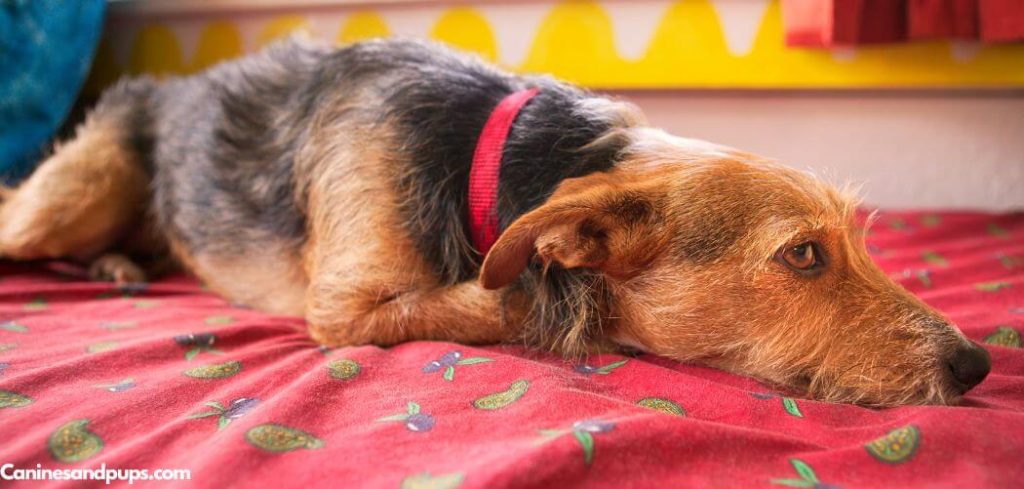
Pregnant Dog Pooping Blood and Mucus: Common Causes
1. Sudden Changes in Diet
A change in dog food, unfamiliar treats, rich table scraps, or other dietary differences can upset the digestive system.
In some dogs, this irritation leads to diarrhea and inflammation of the colon, resulting in mucus and blood.
During pregnancy, maintaining a consistent, nutritionally appropriate diet is particularly important.
Avoid sudden food changes, but do not assume a dietary upset is responsible if blood and mucus appear. Your veterinarian should help determine whether the symptoms require treatment.
Related: Dog pooping bloody mucus but acting normal (Here’s why)
2. Colitis or Inflammation of the Colon
Colitis is inflammation of the large intestine and is a common reason dogs pass mucus mixed with fresh, red blood.
When the colon becomes irritated, it produces extra mucus, and inflammation may cause small amounts of blood to appear on or within the stool.
A pregnant dog may also strain while pooping, pass small amounts of stool frequently, or develop diarrhea.
Possible triggers include dietary changes, stress, parasites, and infections. Pregnancy itself should not be assumed to explain bloody stool.
Related: Dog pooping black after giving birth (Is it normal?)
3. Intestinal Parasites
Parasites such as hookworms, whipworms, and Giardia can affect the digestive tract and cause diarrhea, mucus, and sometimes blood.
Some infections produce intermittent symptoms, so a dog may appear relatively normal between bowel movements.
Parasite control during pregnancy requires care because not every deworming product is appropriate for pregnant dogs.
Contact your veterinarian before giving any parasite medication, and ask whether a stool test is needed.
4. Gastrointestinal Infections
Bacterial and viral infections can inflame the intestinal lining and cause bloody, mucus-filled diarrhea.
Depending on the infection, your dog may also develop vomiting, reduced appetite, fever, or lethargy.
Puppies are often discussed in relation to severe viral diarrhea, but adult dogs can also develop serious gastrointestinal infections.
If your pregnant dog has bloody diarrhea, veterinary assessment is important even if she has not yet developed other obvious symptoms.
5. Eating Spoiled Food or Something Unsuitable
Dogs sometimes eat garbage, spoiled food, bones, unfamiliar plants, or other things that irritate the digestive tract.
This can trigger diarrhea and inflammation, and certain swallowed objects can cause more serious intestinal problems.
If you suspect your dog has swallowed a foreign object or a potentially toxic substance, contact a veterinarian immediately.
Do not induce vomiting or give home remedies unless specifically instructed by a veterinary professional.
6. Stress-Related Digestive Upset
Changes in routine, travel, boarding, unfamiliar surroundings, or other stressful experiences can affect bowel function.
In some dogs, stress contributes to colitis, which can cause frequent bowel movements, mucus, and small amounts of fresh blood.
However, stress should not be assumed to explain bloody stool in a pregnant dog.
Even if she is eating and behaving normally, contact your veterinarian promptly to rule out more significant causes.
7. Acute Hemorrhagic Diarrhea Syndrome
Acute hemorrhagic diarrhea syndrome (AHDS) is a condition that can cause sudden, severe bloody diarrhea, sometimes with large amounts of mucus.
Affected dogs may deteriorate quickly and develop significant fluid loss.
Warning signs include frequent bloody diarrhea, vomiting, weakness, reduced appetite, and abdominal discomfort.
If your pregnant dog suddenly develops profuse bloody diarrhea, seek emergency veterinary care rather than waiting to see whether it improves.
8. A Reproductive Problem Rather Than Intestinal Bleeding
Sometimes, blood or mucus noticed near a pregnant dog’s rear end may actually be coming from the vulva rather than the anus.
Vaginal discharge during pregnancy needs to be assessed in context, including how far along the pregnancy is and whether labor has begun.
Bloody vaginal discharge before the first puppy is delivered, heavy bleeding, or unusual green discharge before a puppy is born can signal a serious reproductive problem.
If you cannot tell whether the blood is in the stool or coming from the vulva, contact your veterinarian immediately for guidance.
Related: Dog pregnant dog panting (Causes and when to worry)
Pregnant Dog Pooping Blood and Mucus but Acting Normal
A pregnant dog may continue eating, drinking, and behaving normally despite an intestinal problem. Mild colitis or dietary irritation can sometimes cause mucus and small streaks of fresh blood before other symptoms become apparent.
However, normal behavior does not rule out parasites, infection, or another condition that needs treatment.
Because she is pregnant, contact your veterinarian today even if the amount of blood appears small.
Observe whether she is passing formed stool with a little mucus or experiencing repeated diarrhea.
Also check whether the blood is mixed into the poop or appears to come from the vulva. This distinction can help your veterinarian determine what needs to be investigated.
Pregnant Dog Pooping Blood and Mucus With Diarrhea
Bloody, mucus-filled diarrhea can indicate inflammation of the large intestine, but infections, parasites, and more serious gastrointestinal conditions can produce similar symptoms.
Repeated diarrhea can cause dehydration and disturb the body’s fluid and electrolyte balance.
These problems can be especially concerning during pregnancy, when the mother also needs adequate hydration and nutrition.
Contact your veterinarian promptly. Seek emergency care if the diarrhea is profuse, your dog is vomiting repeatedly, she becomes weak, her gums look pale, or she shows signs of abdominal pain.
Pregnant Dog Pooping Blood and Mucus Near Her Due Date
Digestive upset and reproductive changes can occur around the time a dog approaches labor, but blood and mucus in the stool should not automatically be considered a normal sign that delivery is near.
If your dog is close to her due date, tell the veterinarian how far along she is and whether she is showing signs of labor.
If the discharge may be vaginal rather than rectal, make that clear when you call.
Bloody vaginal discharge before the first puppy, heavy bleeding, green discharge before a puppy is born, or strong contractions without delivery require urgent veterinary advice.
Do not delay care to see whether the discharge stops.
What to Do If Your Pregnant Dog Is Pooping Blood and Mucus
Contact Your Veterinarian
Explain that your dog is pregnant and passing blood and mucus in her stool. Tell the veterinarian how far along the pregnancy is, when the symptoms began, how frequently she is pooping, and whether she has vomiting, reduced appetite, or changes in energy.
Do not wait for several days to see whether the problem resolves. If there is heavy bleeding, profuse diarrhea, weakness, repeated vomiting, or possible abnormal vaginal discharge, seek emergency veterinary care.
Keep Fresh Water Available
Make sure your dog has access to clean drinking water. Diarrhea can cause fluid loss, and repeated bloody stools increase the concern.
If she vomits repeatedly or cannot keep water down, seek urgent veterinary attention. Do not attempt to manage significant dehydration at home.
Maintain Her Normal Feeding Routine Unless Advised Otherwise
Avoid introducing unfamiliar foods, rich treats, table scraps, or sudden dietary changes.
Continue to follow her pregnancy feeding plan unless your veterinarian recommends a change.
Do not deliberately fast a pregnant dog or start a restrictive diet without veterinary advice.
She needs appropriate nutrition during pregnancy, and the safest feeding plan depends on her condition and the cause of the symptoms.
Avoid Unapproved Medications and Supplements
Do not give human antidiarrheal medicines, leftover antibiotics, dewormers, or herbal remedies without veterinary guidance.
Some products may be unsuitable during pregnancy, and treatment must account for both the mother’s condition and the developing puppies.
Record the Symptoms
Take a photograph of the stool if possible and note how often your dog passes it. If you are unsure whether the blood is coming from the anus or vulva, tell the veterinarian.
A stool sample may help with testing, but do not delay emergency care to collect one.
When to Call or Visit Your Vet
Blood and mucus in the stool of a pregnant dog need immediate veterinary advice, even if she seems otherwise well.
Seek emergency veterinary care if you notice:
Large amounts of blood or repeated bloody diarrhea.
Black, tarry stool.
Repeated vomiting or an inability to keep water down.
Weakness, collapse, pale gums, or marked lethargy.
Significant abdominal pain or a swollen, tense abdomen.
Signs of dehydration or rapidly worsening symptoms.
Bloody vaginal discharge before the first puppy is born, heavy vaginal bleeding, or green vaginal discharge before a puppy is delivered.
Strong contractions without a puppy being delivered, or other signs of difficult labor.
If you are uncertain whether the blood is coming from the stool or the reproductive tract, treat that uncertainty seriously and contact your veterinarian immediately.
Pregnant Dog Pooping Blood and Mucus: Treatment
Treatment depends on the underlying cause and the stage of pregnancy. Your veterinarian will examine your dog, review her pregnancy and medication history, and may recommend stool testing, blood tests, or abdominal imaging when appropriate.
Treatment may include fluids for dehydration, pregnancy-appropriate medication for an identified infection or parasite, or other targeted care.
If a reproductive complication is suspected, ultrasound or other pregnancy assessments may be needed.
Key Takeaway
Pregnant dog pooping blood and mucus may indicate colitis, dietary irritation, intestinal parasites, an infection, or another digestive problem. The symptoms should not be dismissed as a normal part of pregnancy.
Contact your veterinarian today, even if your dog is still eating and behaving normally. Keep fresh water available, avoid unapproved medications, and monitor her closely while arranging care.
Most importantly, confirm whether the blood is coming from her stool or her vulva.
Bloody stool requires assessment, while abnormal vaginal bleeding or discharge during pregnancy may indicate a reproductive emergency that needs immediate attention.


