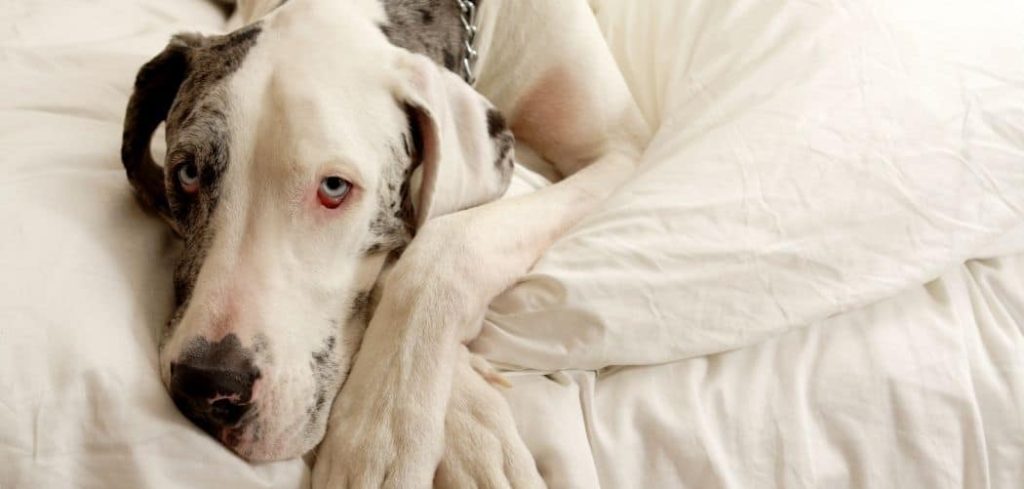
A pale membrane creeping across the corner of one or both eyes can make a dog’s face look strange and tired. When that comes with a dog who sleeps more, plays less, and moves slowly, the two changes together leave many owners wondering whether something is wrong.
The third eyelid is a normal structure that usually stays tucked out of sight, so its sudden appearance is a change that stands out.
Although the third eyelid can occasionally become visible when a dog is sleepy, persistent protrusion accompanied by lethargy is more concerning.
Two signs at once are worth understanding rather than brushing aside. Together they can tell a fuller story about how your dog is feeling than either one would alone, and learning what they mean helps you make calm, informed decisions for your dog.
Table of Contents
Dog's Third Eyelid Showing and Lethargy: Why It Happens
A dog’s third eyelid may become more visible during illness because dehydration, eye pain, or changes in the position of the eyeball allow the protective membrane to cover more of the eye.
Lethargy may occur at the same time because of infection, inflammation, dehydration, metabolic disturbances, or another underlying disease.
In some cases, the two symptoms are directly related. For example, a dog with vomiting and diarrhea may become dehydrated and weak, while a painful eye condition can make the dog less active and reluctant to move.
However, a visible third eyelid and lethargy do not always have the same cause. A veterinarian must assess the eyes and overall health to determine whether the problem is primarily ocular, neurological, or systemic.
Dog’s Third Eyelid Showing and Lethargy: Causes
1. Dehydration
Dehydration is one possible cause of a dog becoming lethargic while the third eyelid appears more prominent.
When a dog loses excessive body fluids, the eyes may develop a sunken appearance, allowing more of the third eyelid to become visible.
Dehydration can occur because of vomiting, diarrhea, inadequate water intake, excessive urination, or an underlying illness.
Other signs include dry or sticky gums, weakness, reduced appetite, and decreased activity.
Severe dehydration can affect circulation and organ function, making prompt veterinary treatment important.
Read more: Dog third eyelid problems
2. Gastrointestinal Illness
Digestive problems can cause lethargy and may contribute to third eyelid protrusion through dehydration or general illness.
Possible conditions include gastroenteritis, intestinal infections, dietary indiscretion, and other disorders affecting the digestive tract.
An affected dog may develop vomiting, diarrhea, abdominal discomfort, reduced appetite, and unusual tiredness.
When fluid loss becomes significant, the eyes may appear more sunken and the third eyelids more noticeable.
Persistent vomiting, bloody diarrhea, or weakness requires urgent veterinary attention.
Related: Dog’s third eyelid showing and squinting (What it means)
3. Haw’s Syndrome
Haw’s syndrome refers to protrusion of the third eyelids, often affecting both eyes.
The membranes may appear pale or slightly pink and cover part of the eyeballs without producing the rounded red swelling associated with cherry eye.
The condition has been associated with gastrointestinal disturbances in some dogs, particularly diarrhea.
However, Haw’s syndrome does not typically explain marked lethargy on its own.
If your dog has visible third eyelids and is unusually tired, a veterinarian should investigate possible systemic illness rather than assuming the problem is harmless.
4. Eye Pain or Inflammation
Painful eye conditions can make the third eyelid more visible while also causing a dog to become less active.
Possible causes include corneal ulcers, foreign objects, uveitis, and injuries affecting the eye.
When the eye is painful, the eyeball may retract slightly into its socket, allowing the third eyelid to move farther across the surface.
You may notice squinting, excessive tearing, redness, blinking, or rubbing the face.
Severe eye pain can cause a dog to withdraw from normal activities, making them appear lethargic.
A painful eye requires urgent veterinary assessment because some conditions can rapidly threaten vision.
5. Horner’s Syndrome
Horner’s syndrome is a neurological disorder affecting the nerves that control structures around the eye.
It commonly causes a prominent third eyelid, a drooping upper eyelid, a smaller pupil, and an eye that appears sunken.
The condition usually affects one eye, although both eyes can occasionally be involved.
Possible causes include ear disease, trauma, and damage affecting the sympathetic nerve pathway.
Horner’s syndrome itself does not usually cause significant lethargy. If a dog has both symptoms, the veterinarian should investigate whether an underlying illness or neurological disorder is responsible.
6. Infections and Systemic Illness
Infections affecting the body can cause fever, weakness, dehydration, and lethargy.
Depending on the illness, the third eyelids may become more noticeable because of changes in hydration, eye position, or associated eye inflammation.
Other signs may include reduced appetite, vomiting, diarrhea, coughing, nasal discharge, or unusual tiredness.
Certain infectious diseases can also cause inflammation affecting the eyes or nervous system.
The specific cause cannot be determined from third eyelid protrusion alone, so a veterinary examination and appropriate testing are important.
7. Neurological Disorders
Neurological conditions can affect the nerves responsible for eye position, pupil function, and movement of the surrounding muscles.
This may cause one or both third eyelids to become more prominent.
If the underlying disorder also affects other parts of the nervous system, the dog may appear weak, unusually quiet, disoriented, or less responsive.
Other possible signs include head tilting, loss of balance, abnormal eye movements, unequal pupils, or difficulty walking.
Sudden third eyelid protrusion accompanied by weakness, confusion, or balance problems requires urgent veterinary attention.
8. Ear Infections Affecting Deeper Structures
Middle or inner ear disease can sometimes affect nerves associated with the eye.
This may produce Horner’s syndrome, causing the third eyelid to protrude and the affected eye to appear sunken.
Dogs with deeper ear disease may also develop head tilting, balance problems, facial weakness, or discomfort.
Some dogs become less active because of pain or the underlying infection.
A veterinarian may need to examine the ear canal and investigate deeper structures if neurological signs are present.
9. Metabolic or Organ Disease
Conditions affecting the kidneys, liver, blood sugar regulation, or electrolyte balance can cause significant lethargy.
Some of these disorders may also produce dehydration, weight loss, or changes in the tissues surrounding the eyes.
This can make the third eyelids more noticeable, although third eyelid protrusion is not a specific sign of organ disease.
Other symptoms may include vomiting, increased thirst, changes in urination, poor appetite, or weakness.
Blood and urine tests may be necessary to investigate an underlying metabolic disorder.
10. Weight Loss and Chronic Illness
Dogs experiencing significant weight loss or muscle wasting may lose some of the fat and muscle that normally support the eyeballs.
As the tissues around the eyes become reduced, the eyes may appear sunken and the third eyelids more prominent.
Chronic illness can also cause reduced energy, poor appetite, and general weakness.
You may notice visible ribs, reduced muscle around the head, or gradual changes in body condition.
Persistent lethargy accompanied by weight loss requires veterinary investigation to identify the underlying cause.
Related: Dog’s third eyelid showing but not red (Here’s why)
Dog Third Eyelid Showing and Lethargic but Eating Normally
A dog may continue eating normally despite having a prominent third eyelid and reduced energy.
Some conditions, including mild dehydration, early illness, eye discomfort, and certain neurological problems, may initially occur without obvious appetite changes.
However, normal eating does not rule out a significant health problem.
Pay attention to whether your dog is drinking normally, responding to familiar activities, walking comfortably, and showing changes in eye appearance.
If the third eyelid remains visible and your dog is unusually tired, arrange a veterinary examination the same day.
Dog Third Eyelid Showing and Lethargic With Diarrhea
When a dog has visible third eyelids, lethargy, and diarrhea, gastrointestinal illness and dehydration become important possibilities.
Fluid loss through diarrhea can contribute to weakness and a sunken appearance of the eyes.
Some dogs with gastrointestinal disturbances also develop bilateral third eyelid protrusion associated with Haw’s syndrome.
However, the combination of diarrhea and lethargy should not automatically be attributed to Haw’s syndrome.
A veterinarian should assess hydration and investigate possible digestive infections, inflammation, parasites, or other underlying conditions.
Dog’s Third Eyelid Showing in One Eye and Lethargic
If only one third eyelid is visible while your dog is lethargic, possible causes include eye pain, Horner’s syndrome, trauma, or an abnormality affecting the tissues around that eye.
Look for a smaller pupil, drooping upper eyelid, squinting, excessive tearing, or a sunken appearance.
Because lethargy is not a typical isolated symptom of Horner’s syndrome, an underlying illness or separate medical problem may also be present.
A new one-sided eye change accompanied by lethargy should be evaluated immediately.
Dog’s Third Eyelids Showing in Both Eyes and Lethargic
When both third eyelids become visible, and your dog appears unusually tired, dehydration, gastrointestinal illness, and systemic disease are important possibilities.
Both membranes may cover part of the eyes, making the dog look sleepy even when awake.
Although bilateral third eyelid protrusion can occur with Haw’s syndrome, significant lethargy suggests that another illness may need investigation.
Check for vomiting, diarrhea, reduced drinking, fever, weakness, or changes in appetite.
A veterinary examination is necessary to determine whether the problem is related to the eyes or the dog’s overall health.
Dog’s Third Eyelid Showing and Lethargy: What to Do
1. Arrange a Veterinary Examination
If your dog has a newly visible third eyelid and unexplained lethargy, arrange an examination the same day.
The veterinarian can assess hydration, eye health, neurological function, and signs of systemic illness.
2. Monitor Drinking and Urination
Observe whether your dog is drinking and urinating normally.
Reduced water intake, vomiting, diarrhea, or changes in urination may indicate dehydration or another underlying illness.
Keep fresh water available, but do not force fluids into a very weak dog, vomiting repeatedly, or unable to swallow normally.
3. Check for Additional Symptoms
Notice whether your dog has vomiting, diarrhea, coughing, weakness, balance problems, squinting, or unusual eye discharge.
These signs can help the veterinarian determine whether the problem is primarily related to the eyes, nervous system, or another body system.
4. Allow Your Dog to Rest
Provide a quiet, comfortable resting area.
Avoid strenuous exercise or unnecessary activity until your dog has been examined.
If your dog is weak or unsteady, prevent access to stairs and other places where a fall could occur.
5. Avoid Unprescribed Medication
Do not give human painkillers, leftover antibiotics, or eye drops without veterinary instructions.
Do not attempt to push the third eyelid back into place.
Treatment should address the underlying cause rather than the visible membrane alone.
When to Call or Visit Your Vet
A dog with a newly prominent third eyelid and lethargy should be examined the same day.
Seek emergency veterinary attention if you notice:
Severe weakness, collapse, or inability to stand.
Difficulty breathing or unusually rapid breathing at rest.
Repeated vomiting or severe diarrhea.
Bloody vomit or diarrhea.
Pale, blue, or gray gums.
Seizures, confusion, or loss of balance.
A painful, cloudy, or severely swollen eye.
Sudden loss of vision.
Inability to drink or keep water down.
Suspected poisoning or recent significant trauma.
These symptoms may indicate serious illness, dehydration, neurological problems, or an eye emergency.
Dog Third Eyelid Showing and Lethargic: Treatment
Treatment depends on the underlying cause. Veterinary assessment includes a physical examination and assessment of hydration, temperature, eye health, and neurological function.
Your veterinarian may recommend blood tests, urine testing, and a fecal examination to investigate dehydration, infections, metabolic disorders, or gastrointestinal illness.
Eye testing may include fluorescein staining to check for corneal ulcers, a Schirmer tear test to measure tear production, and eye pressure measurement when indicated.
If Horner’s syndrome or another neurological condition is suspected, an ear examination and further imaging may be necessary.
Treatment may involve fluid therapy, appropriate medications, management of an underlying infection or illness, or specific treatment for an eye condition.
Key Takeaway
A dog with a third eyelid showing and lethargic may be experiencing dehydration, gastrointestinal illness, eye pain, infection, Horner’s syndrome, or another underlying health problem.
Although a visible third eyelid can sometimes be harmless when a dog is sleepy, persistent protrusion accompanied by reduced energy should not be ignored.
Pay attention to whether one or both eyes are affected and whether your dog has vomiting, diarrhea, weakness, appetite changes, or neurological symptoms.
Arrange a veterinary examination the same day if your dog’s third eyelid remains visible and they are unusually lethargic. Prompt diagnosis can help identify the underlying cause and prevent complications.


