This change can be worrying, especially if your dog previously had normal-looking eyes. A one-sided change is a good reason to pay closer attention rather than wait and hope it settles.
Table of Contents
Dog's Sunken Eye on One Side: Why It Happens
A dog may develop a sunken appearance in one eye when the eyeball is pulled backward into its socket, the tissues around the eye change, or an underlying condition causes the eye to appear smaller or less prominent.
Possible causes include Horner’s syndrome, pain involving the eye, inflammation behind the eyeball, trauma, and disorders affecting the nerves or muscles around the eye.
Dehydration can also make the eyes appear sunken, although it more commonly affects both eyes rather than just one.
The accompanying symptoms can help narrow down the possibilities. For example, an eye that looks smaller with a drooping upper eyelid and a noticeably smaller pupil may suggest Horner’s syndrome.
An eye that appears sunken alongside swelling, pain when opening the mouth, or difficulty chewing may indicate a problem in the tissues behind the eye.
Because several eye and neurological conditions can produce similar changes, a veterinary examination is important to establish the cause.
Dog Having a Sunken Eye on One Side: Causes
1. Horner’s Syndrome
Horner’s syndrome is one of the important conditions associated with a suddenly sunken eye on one side.
It occurs when the sympathetic nerves responsible for controlling certain eye and facial muscle functions are disrupted.
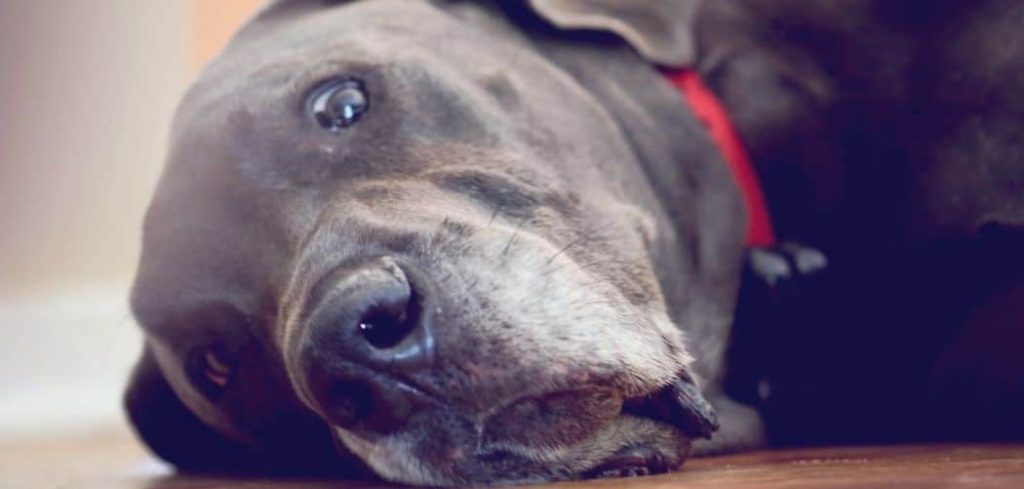
The affected eye may appear recessed, while the upper eyelid droops and the pupil becomes noticeably smaller than the pupil in the other eye.
The third eyelid, which is normally tucked away in the inner corner, may also become more visible.
Horner’s syndrome can develop suddenly. Possible underlying causes include middle or inner ear disease, neck injuries, trauma, nerve damage, and, in some cases, tumors.
However, some dogs develop the condition without an identifiable cause, known as idiopathic Horner’s syndrome.
Related: Dog has sunken eyes suddenly (Why it happens)
2. Eye Pain or Inflammation
Pain involving the eye can cause the eyeball to retract farther into its socket, making it appear sunken.
Conditions such as corneal ulcers, uveitis (inflammation inside the eye), and other painful eye disorders may trigger this response.
You may notice excessive tearing, redness, squinting, frequent blinking, sensitivity to light, or a raised third eyelid.
Some dogs keep the affected eye partially closed because of discomfort.
This is an important cause to investigate because certain eye conditions can damage vision if treatment is delayed.
3. Trauma or Injury Around the Eye
An injury involving the head, face, or tissues surrounding the eye can change the position or appearance of the eyeball.
Possible causes include falls, collisions, bites, and other blunt injuries.
Depending on the structures affected, you may notice a sunken-looking eye, eyelid swelling, bruising, redness, or discharge.
Trauma can also damage the nerves controlling the eye, potentially producing signs similar to Horner’s syndrome.
If the eye becomes sunken after an accident or physical injury, seek urgent veterinary attention even if there is no obvious external wound.
Related: Dog has sunken head on both sides (Causes and treatment)
4. Dehydration
Dehydration can cause a dog’s eyes to appear sunken because fluid loss affects the tissues supporting the eyeballs.
Other possible signs include dry or tacky gums, reduced energy, weakness, and decreased urination.
Dehydration is more likely to affect both eyes, although one eye may appear more noticeably recessed than the other.
It may develop after vomiting, diarrhea, inadequate water intake, or an illness that causes excessive fluid loss.
Because a clearly one-sided change is less typical of dehydration alone, other eye and neurological causes should also be investigated.
5. Loss of Fat or Muscle Around the Eye
The tissues surrounding the eyeball help support its normal position within the socket.
When the fat or muscles around the eye lose volume, the eyeball may appear more deeply recessed.
This can happen with significant weight loss, chronic illness, or atrophy of the muscles used for chewing.
If the muscle loss is more pronounced on one side, the affected eye may look more sunken than the other.
You may also notice changes in facial appearance, reduced muscle size around the temples, or difficulty chewing, depending on the underlying problem.
6. Neurological Disorders Affecting the Eye
The nerves controlling the pupils, eyelids, and muscles around the eye can be affected by disorders involving the brain, spinal cord, neck, or other parts of the nervous system.
Depending on which nerves are affected, a dog may develop an abnormal eye position, unequal pupils, a drooping eyelid, or changes in blinking.
Horner’s syndrome is one example of a neurological condition that can produce a sunken eye.
Other neurological problems may cause additional signs, including head tilting, loss of balance, facial weakness, or difficulty walking.
If the eye change occurs alongside these symptoms, urgent veterinary assessment is important.
7. Tetanus
Tetanus is a serious bacterial disease that affects the nervous system and causes increased muscle stiffness and spasms.
Dogs may develop changes around the eyes, including an abnormal third eyelid position and a sunken appearance.
Other signs can include stiffness, difficulty opening the mouth, trouble swallowing, and changes in walking.
Tetanus is uncommon in dogs, but it is an important possibility when eye changes occur alongside generalized muscle stiffness or difficulty moving.
A dog showing these signs needs urgent veterinary care.
Related: Dying dog sunken eyes (What it means)
Dog Has One Sunken Eye but Is Acting Normal
A dog may have one sunken-looking eye without showing obvious signs of illness or discomfort.
For example, some dogs with Horner’s syndrome remain alert, eat normally, and continue their usual activities despite having a drooping eyelid, smaller pupil, and recessed-looking eye.
However, acting normally does not rule out an underlying medical problem. Some eye and neurological conditions initially produce only subtle changes.
If you notice a new difference between your dog’s eyes, arrange a veterinary examination promptly rather than waiting for additional symptoms to develop.
Dog Has One Sunken Eye and a Visible Third Eyelid
The third eyelid is a protective membrane located in the inner corner of each dog’s eye.
When one eyeball retracts into its socket, the third eyelid may become more visible, making it look as though a pale or pinkish membrane is covering part of the eye.
This combination can occur with Horner’s syndrome and painful eye conditions.
If the third eyelid is suddenly visible on one side, particularly when accompanied by a smaller pupil or drooping eyelid, your veterinarian should investigate the cause.
What to Do If Your Dog Has a Sunken Eye on One Side
1. Arrange a Veterinary Examination
A newly sunken eye should be examined immediately, even if your dog appears comfortable.
The veterinarian needs to determine whether the eyeball has genuinely moved backward into its socket or whether another change is making it appear smaller.
This distinction is important because different conditions require different treatments.
2. Observe Other Changes Around the Eye
Without touching or pressing the eye, observe whether:
The upper eyelid is drooping.
One pupil looks smaller than the other.
The third eyelid is more visible.
The eye is red, cloudy, or producing discharge.
Your dog is squinting or keeping the eye closed.
These observations can help your veterinarian narrow down the possible causes.
3. Check for Other Signs of Illness
Pay attention to changes such as head tilting, unusual walking, loss of balance, difficulty chewing, reduced appetite, vomiting, or unusual tiredness.
These additional signs may suggest that the eye change is associated with a broader medical or neurological problem.
4. Avoid Applying Eye Medication Without Advice
Do not use human eye drops, leftover prescription medication, or home remedies unless your veterinarian specifically recommends them.
Some eye medications can worsen particular conditions, especially when the cornea is damaged.
5. Protect the Affected Eye
Prevent your dog from rubbing or scratching the affected eye.
Keep your dog away from dusty environments and avoid unnecessary handling of the face.
If your dog is rubbing the eye repeatedly, ask your veterinarian how to protect it safely while arranging an examination.
When to Call or Visit Your Vet
A newly sunken eye on one side needs immediate veterinary assessment.
Seek emergency veterinary attention if you notice:
Sudden eye changes following a fall, collision, or other injury.
Severe redness, swelling, or obvious eye pain.
Cloudiness or a change in the appearance of the cornea.
Squinting or an inability to open the affected eye.
Sudden vision problems.
Unequal pupils accompanied by other neurological changes.
Head tilting, stumbling, or loss of balance.
Difficulty swallowing, severe stiffness, or muscle spasms.
Do not wait for the eye to return to normal on its own, particularly when the change has appeared suddenly.
Dog Has Sunken Eye on One Side: Treatment
Veterinary assessment includes a detailed eye examination, comparison of pupil sizes, assessment of the eyelid and third-eyelid positioning, and checking of the vision and eye function.
A fluorescein stain may be used to identify corneal ulcers, while other eye tests can investigate inflammation and tear production.
If Horner’s syndrome is suspected, the veterinarian may recommend an ear examination, neurological assessment, blood tests, or imaging of the head, neck, and chest to investigate possible nerve damage or underlying disease.
Treatment may involve medication for an infection or inflammation, appropriate eye medication for a painful eye condition, or treatment of an underlying neurological problem.
Some cases of idiopathic Horner’s syndrome improve gradually without specific treatment, but this diagnosis should only be considered after other important causes have been investigated.
Key Takeaway
A dog with a sunken eye on one side may have Horner’s syndrome, an eye injury, painful eye inflammation, dehydration, or a condition affecting the nerves or tissues surrounding the eye.
Horner’s syndrome is particularly important to consider when the affected eye also has a drooping upper eyelid, a smaller pupil, and a visible third eyelid.
However, these signs are not enough to confirm the diagnosis because several conditions can produce similar changes.
If one of your dog’s eyes suddenly appears smaller or deeper in its socket than the other, arrange a veterinary examination promptly. Early investigation can help identify the cause and protect your dog’s eye health.


