
Eyes that look hollow or set deeper into the face are one of the changes owners often notice when a dog is very ill or growing weaker.
It can be painful to see a dog you love look so different, and wonder what the change means and what they can do to help.
Sunken eyes are not a diagnosis on their own. They are one piece of a larger picture, and understanding that picture can help you make calm, caring decisions for your dog. Whatever the outcome, comfort and compassion remain the priority.
Table of Contents
Dying Dog Sunken Eyes: Why It Happens
A dying or seriously ill dog may develop sunken eyes because of severe dehydration, loss of body fat and muscle, or changes in the tissues surrounding the eyeballs.
When a dog stops eating and drinking adequately, becomes weaker, or experiences ongoing fluid loss, the tissues supporting the eyes may lose volume, making the eyes appear recessed.
Significant weight loss and muscle wasting can also change the appearance of the face and eye sockets.
Dehydration is particularly important because it can develop when a dog drinks very little or loses excessive fluids through vomiting, diarrhea, or illness.
As dehydration becomes more severe, the eyes may look noticeably sunken alongside dry or sticky gums, weakness, and reduced energy.
In an older or chronically ill dog, loss of fat around the eyes may also contribute to a hollow appearance, even when dehydration is not the main problem.
Therefore, sunken eyes should not automatically be interpreted as proof that a dog is in their final hours or days.
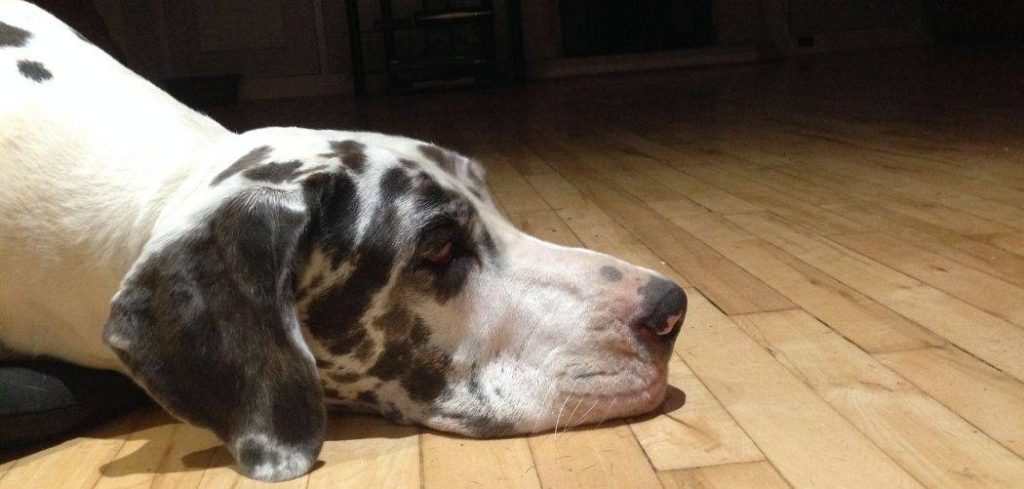
Reasons a Dying Dog May Have Sunken Eyes
1. Severe Dehydration
Dehydration is one of the important reasons a seriously ill dog may develop sunken eyes.
As a dog becomes weaker, they may drink less water than their body needs. Some illnesses also cause fluid loss through vomiting, diarrhea, fever, or excessive urination.
When dehydration becomes significant, the tissues around the eyes lose volume, making the eyeballs appear more deeply recessed.
Other signs may include dry or sticky gums, thick saliva, reduced urination, weakness, and unusual tiredness.
Severe dehydration requires veterinary treatment and may need fluid therapy.
Related: Dog has sunken eyes suddenly (What it means)
2. Significant Weight Loss and Muscle Wasting
A dog with advanced illness may gradually lose body weight and muscle mass.
This can happen when the body cannot maintain normal nutrition because of reduced appetite, chronic disease, or changes in metabolism.
As fat and muscle around the head and face decrease, the eyes may appear more prominent within their sockets, creating a hollow or sunken appearance.
You may also notice that the face looks thinner, the temples appear more pronounced, and the body has lost its usual muscle definition.
This change can occur in elderly dogs and those living with advanced medical conditions.
Related: Dog has sunken eye on one side (Causes and treatment)
3. Reduced Food and Water Intake
Dogs approaching the end of life may gradually lose interest in food and water.
This can happen because of advanced illness, nausea, weakness, difficulty swallowing, pain, or changes in normal body functions.
When a dog eats and drinks very little, weight loss and dehydration can develop, contributing to a sunken appearance around the eyes.
However, reduced appetite and thirst can also occur with treatable illnesses. A veterinarian should assess the reason rather than assuming that the dog is necessarily dying.
4. Advanced Chronic Disease
Conditions affecting the kidneys, liver, heart, or digestive system can cause significant changes in a dog’s overall condition.
Depending on the illness, a dog may experience reduced appetite, fluid imbalances, weight loss, weakness, and declining activity.
Over time, these changes may contribute to a thinner facial appearance and sunken eyes.
The underlying disease, rather than the appearance of the eyes alone, determines the dog’s prognosis.
Related: Dog has sunken head on both sides (Causes and treatment)
5. Age-Related Loss of Fat Around the Eyes
Older dogs may naturally lose some of the fat and supportive tissue surrounding their eyes.
This can make the eyes appear more deeply set, particularly when an elderly dog has also lost weight or muscle.
Older and chronically thin animals can have sunken eyes even when they are not dehydrated.
Therefore, a sunken appearance in an elderly dog does not necessarily mean that death is near.
Read more: Old dog behavior before death (Common signs)
Other Signs That a Dog May Be Approaching the End of Life
Sunken eyes become more concerning when they occur alongside several other changes in a dog that has a serious or progressive illness.
Possible changes include:
1. Loss of Appetite
A dog approaching the end of life may lose interest in meals, treats, and foods they previously enjoyed.
Some dogs eat progressively smaller amounts, while others become unable or unwilling to eat.
This may reflect nausea, pain, weakness, or changes associated with advanced illness.
2. Reduced Interest in Drinking
A seriously ill dog may drink less frequently or stop showing interest in their water bowl.
Reduced water intake can contribute to dehydration, which may make the eyes appear sunken.
A veterinarian can assess hydration and determine whether fluid support would improve comfort.
3. Increasing Weakness
A dog may become less interested in walking, playing, or moving around the home.
They may spend more time resting and need assistance getting up or reaching their usual resting place.
Increasing weakness can occur with many serious illnesses and does not, by itself, establish that death is imminent.
4. Changes in Breathing
Breathing patterns may change in dogs with advanced illness.
Some may breathe faster, more slowly, or with greater effort than usual.
Labored breathing, open-mouth breathing at rest, or an inability to settle comfortably requires urgent veterinary attention.
5. Changes in Awareness and Responsiveness
A seriously ill dog may become less responsive to familiar voices, surroundings, or normal household activities.
They may appear unusually withdrawn, confused, or persistently sleepy.
A sudden change in awareness should be assessed urgently because it can also indicate dehydration, poor circulation, metabolic problems, or other conditions that may be treatable.
6. Loss of Interest in Normal Activities
A dog approaching the end of life may no longer enjoy activities they previously looked forward to.
They may stop greeting family members, avoid walks, or spend most of their time resting.
The important consideration is whether your dog still experiences comfort, enjoyment, and meaningful interaction.
7. Difficulty Getting Comfortable
Some seriously ill dogs struggle to find a comfortable resting position because of pain, breathing difficulties, weakness, or other symptoms.
They may repeatedly change position, appear restless, or need help settling down.
Persistent discomfort should be discussed with a veterinarian because pain and other distressing symptoms can often be managed.
Can a Dog Have Sunken Eyes and Still Recover?
Yes. Sunken eyes do not automatically mean that a dog is dying.
A dog with dehydration caused by vomiting, diarrhea, or another illness may develop sunken eyes but improve with appropriate veterinary treatment.
Similarly, a dog that has lost significant weight may have a hollow facial appearance without necessarily being in the final stage of life.
Even dogs with serious chronic illnesses may have treatment options that improve their comfort and quality of life.
The important distinction is whether the underlying problem is reversible, manageable, or part of an advanced condition that is no longer responding to treatment.
A veterinary examination is necessary to assess this.
What to Do If Your Dying Dog Has Sunken Eyes
1. Contact Your Veterinarian
Arrange a veterinary assessment as soon as possible, particularly if the sunken appearance is new or accompanied by reduced drinking, weakness, or loss of appetite.
The veterinarian can assess hydration, circulation, weight loss, and the underlying illness.
If your dog is already receiving palliative or end-of-life care, contact the veterinarian managing that care to discuss the change.
2. Make Fresh Water Easily Accessible
Place fresh water close to your dog’s resting area so they do not need to walk far to reach it.
If your dog is interested and can swallow normally, allow them to drink voluntarily.
Do not force water into their mouth or use a syringe to make them drink, as this can cause choking or aspiration if swallowing is impaired.
3. Offer Food Without Forcing It
If your dog still shows interest in food, ask your veterinarian which suitable foods may be easiest for them to eat.
Offer small amounts and allow your dog to decide whether they want to eat.
Avoid forcing food when your dog is nauseated, extremely weak, or having difficulty swallowing.
4. Provide a Comfortable Resting Area
Give your dog a quiet, familiar place to rest.
Use soft bedding, keep the room at a comfortable temperature, and make sure food and water are within easy reach.
If your dog has difficulty moving, help them change position gently when needed and follow your veterinarian’s advice about mobility and pressure-area care.
5. Monitor Comfort Rather Than Just Appearance
Pay attention to whether your dog can rest peacefully, breathe comfortably, respond to familiar people, and enjoy any activities they still like.
Keep track of appetite, water intake, mobility, urination, and signs of discomfort.
These observations help your veterinarian assess whether the current care plan is meeting your dog’s needs.
6. Discuss Palliative and End-of-Life Care
If your dog has an advanced illness that cannot be cured, ask your veterinarian about palliative care.
This focuses on controlling pain, managing nausea and breathing difficulties, supporting hydration when appropriate, and maintaining comfort.
If suffering cannot be adequately controlled, your veterinarian can also discuss humane end-of-life options and help you make an informed decision.
When to Call or Visit Your Vet
A dog with sunken eyes should be assessed immediately, particularly if they are elderly, seriously ill, or no longer drinking normally.
Seek emergency veterinary care if your dog has:
Severe weakness or collapse.
Very dry or sticky gums alongside sunken eyes.
Difficulty breathing or persistent labored breathing.
Inability to stand or walk.
Repeated vomiting or diarrhea with weakness.
Inability to swallow or keep water down.
Sudden confusion or markedly reduced responsiveness.
Signs of significant pain or distress.
Do not wait for several symptoms to appear before seeking help. Severe dehydration and other complications can become life-threatening.
Dying Dog Sunken Eyes: Veterinary Care
Treatment depends on why the eyes have become sunken and whether the underlying illness can be managed. The veterinarian will assess hydration, circulation, body condition, and other clinical signs.
Blood tests may help identify kidney disease, liver problems, or metabolic abnormalities, while additional testing may be recommended depending on your dog’s symptoms.
If dehydration is responsible, veterinary fluid therapy may be necessary.
If advanced illness or weight loss is contributing, treatment may focus on managing the underlying condition, supporting nutrition where appropriate, and maintaining comfort.
For dogs nearing the end of life, the priority may shift toward palliative care, including appropriate pain relief, nausea management, hydration support, and regular assessment of quality of life.
Key Takeaway
Sunken eyes in a dying dog may be associated with dehydration, significant weight loss, muscle wasting, or advanced illness.
However, sunken eyes alone cannot tell you whether your dog is dying or how much time they have left. Some dogs develop this appearance because of treatable dehydration or age-related loss of tissue around the eyes.
What matters most is your dog’s overall condition, including appetite, drinking, breathing, mobility, awareness, and comfort.
If your dog is seriously ill and developing sunken eyes, contact your veterinarian promptly. Even when recovery is no longer possible, appropriate palliative care can help maintain comfort and dignity during the time that remains.


