
When a dog’s eyes suddenly look sunken or appear to have moved farther back into their sockets, it is important to take the change seriously.
You may notice that both eyes look deeper than usual, the area around the eyes appears hollow, or the third eyelid becomes more visible.
It is not a condition in itself but a sign that something is affecting the body, and in many dogs it points to a significant loss of fluid or a decline in overall health. Because the change can come on quickly, it should never be dismissed as a quirk.
In this guide, we’ll explain what sunken eyes can look like, which warning signs call for urgent care, what to do right away, and the treatment.
Table of Contents
Dog Has Sunken Eyes Suddenly: What It Means
A dog’s eyes may suddenly appear sunken when fluid loss causes the tissues supporting the eyeballs to lose volume, when an eye-related condition changes the position of the eyeball, or when nerve dysfunction affects the muscles around the eye.
Dehydration is an important possibility, especially if your dog has been vomiting, experiencing diarrhea, overheating, or drinking less water.
However, a sunken appearance affecting only one eye may be associated with Horner’s syndrome, eye pain, injury, or a problem involving the tissues around the eye.
The sudden onset is particularly important. A dog that previously had normal-looking eyes but now has visibly recessed eyes should be examined by a veterinarian immediately.
If both eyes look sunken and your dog is weak or unwell, dehydration or another systemic illness needs to be considered urgently.
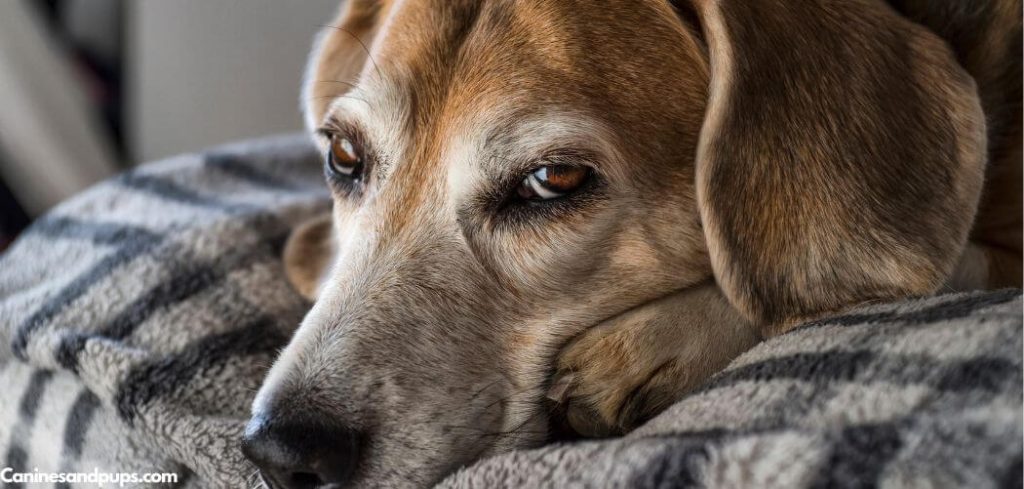
What Do Sunken Eyes in Dogs Look Like?
Sunken eyes in dogs occur when one or both eyeballs appear to sit deeper inside their sockets than usual, making the eyes look smaller, hollow, or unusually recessed.
The area around the eyes may appear hollow, with more noticeable skin folds or a tired, dull expression.
In some dogs, the third eyelid may become more visible, and the eyes may lose their usual bright appearance. Sunken eyes can be a sign of dehydration, weight loss, illness, or reduced tissue volume around the eye sockets.
Dog Has Sunken Eyes Suddenly: Causes
1. Dehydration
Dehydration is one of the most important causes to consider when a dog’s eyes suddenly appear sunken. When the body loses more fluid than it replaces, the tissues supporting the eyes can lose volume, making the eyeballs appear recessed.
This can happen after repeated vomiting, diarrhea, excessive panting, overheating, fever, or inadequate water intake.
Other signs may include dry or sticky gums, thick saliva, reduced urination, loss of skin elasticity, and lethargy. In more serious cases, a dog may become very weak or collapse.
Sunken eyes can indicate significant dehydration, so a dog with this change should receive immediate veterinary assessment rather than being treated with water alone.
Related: Dog eye not fully opening (Here’s why)
2. Vomiting and Diarrhea
Repeated vomiting and diarrhea can cause rapid fluid and electrolyte loss. If your dog cannot replace those fluids by drinking, dehydration may develop and cause the eyes to look sunken.
Reduced appetite, dry gums, weakness, and less frequent urination may be noticed.
This combination is particularly concerning in puppies, small dogs, senior dogs, and dogs with existing health problems because they may deteriorate more quickly.
If your dog has sunken eyes alongside repeated vomiting or diarrhea, contact a veterinarian urgently.
3. Horner’s Syndrome
Horner’s syndrome is a neurological condition that affects the nerves controlling certain functions around the eye. It often affects one side of the face and can make one eye appear sunken.
The affected eye may also have a drooping upper eyelid, a smaller pupil, and a raised third eyelid that partly covers the eye.
Possible underlying causes include ear infections, trauma, nerve damage, and growths affecting the nerves. In some dogs, the exact cause cannot be identified.
If only one eye suddenly looks sunken, particularly when accompanied by these other eye changes, Horner’s syndrome is one possibility that your veterinarian may investigate.
4. Eye Pain or Injury
An injury or painful eye condition can cause changes in the position and appearance of the eye. Corneal injuries, inflammation, foreign material, and other eye problems may cause a dog to squint or hold the eyelids partly closed.
Sometimes the eye may appear smaller or more recessed, and the third eyelid may become more visible.
Other signs include excessive tearing, redness, frequent blinking, rubbing the face, and sensitivity to light.
Eye pain should not be ignored because some conditions can damage the cornea or threaten vision without prompt treatment.
5. Sudden Weight Loss
Loss of body fat around the eye sockets can make the eyes appear more deeply set. This may happen when a dog loses weight because of reduced food intake, digestive problems, or an underlying illness.
You may also notice a more prominent ribcage, reduced muscle mass, a thinner face, or less energy.
However, sudden changes in eye appearance should not automatically be attributed to weight loss.
A veterinarian should check for dehydration and other medical causes, especially if the change has occurred quickly.
6. General Illness or Infection
An infection or other illness can cause a dog to lose fluids, eat less, and become weak. These changes may contribute to a sunken appearance around the eyes.
Depending on the underlying condition, additional signs may include fever, vomiting, diarrhea, coughing, nasal discharge, reduced appetite, or unusual tiredness.
Some illnesses affect the body more broadly, while others involve the eyes or surrounding tissues directly. A veterinary examination and appropriate tests are needed to establish the cause.
7. Injury or Problems Behind the Eye
An injury involving the head, face, or tissues surrounding the eye can alter the eye’s position. In some cases, inflammation, damage, or changes in the structures behind the eyeball can make it appear recessed.
Swelling around the eye, facial tenderness, difficulty opening the mouth, or changes in the third eyelid may be noticed.
A dog with a sudden eye-position change after an accident or suspected injury needs emergency veterinary assessment. Imaging may be necessary to investigate the structures around the eye.
8. Underlying Neurological Problems
The nerves controlling eye position, eyelid movement, and pupil size can be affected by certain neurological conditions.
Depending on which nerves are involved, a dog may develop a sunken-looking eye, drooping eyelid, unequal pupils, or an unusually visible third eyelid.
Other possible signs include head tilting, unusual eye movements, poor coordination, and difficulty walking.
Sudden eye changes accompanied by neurological symptoms require urgent veterinary attention.
Related: Old dog eyes (Common old dog eye problems)
Dog Has One Sunken Eye Suddenly
When only one eye suddenly appears sunken, the cause may be different from dehydration affecting both eyes.
Horner’s syndrome is one possibility, particularly if the affected eye also has a smaller pupil, a drooping upper eyelid, and a raised third eyelid.
Eye pain, injury, and problems with the tissues behind the eyeball can also shift one eye.
A sudden one-sided change should be examined immediately. If it follows an accident or is accompanied by significant pain, swelling, cloudiness, or vision changes, seek emergency veterinary care.
Dog Has Sunken Eyes Suddenly but Is Acting Normal
A dog may develop sunken-looking eyes while continuing to eat, play, and behave normally. However, this does not completely rule out dehydration or an eye-related problem.
If both eyes look more recessed than usual, dehydration should be considered, especially if your dog has recently been in hot weather or has experienced vomiting or diarrhea.
If only one eye appears sunken, a localized eye or nerve problem may be more likely. Horner’s syndrome, for example, can cause one eye to appear recessed while the dog otherwise behaves normally.
Even if your dog seems comfortable, a sudden change in eye position needs immediate veterinary assessment. Do not wait for lethargy or appetite loss to appear.
Read more: Dog has droopy eyes and lethargic (What it means)
Dog Has Sunken Eyes and Is Lethargic
When sunken eyes occur alongside lethargy, dehydration becomes a particularly important concern. Your dog may be losing fluids through vomiting or diarrhea, drinking less than usual, or experiencing an illness that affects normal fluid balance.
Other possible signs include dry gums, thick saliva, reduced urination, weakness, and a reduced interest in food or activities.
This combination can indicate more than mild dehydration. Contact a veterinarian urgently, particularly if your dog is becoming progressively weaker or is not drinking.
Dog Has Sunken Eyes and Is Not Eating
A dog that suddenly develops sunken eyes and refuses food may be experiencing dehydration, digestive illness, infection, pain, or another underlying health problem.
Reduced food intake may occur alongside reduced water consumption, making dehydration more likely. If vomiting or diarrhea is also present, fluid loss can make the situation more serious.
Do not assume your dog is simply being fussy. Arrange immediate veterinary assessment, especially if the appetite change is accompanied by weakness, vomiting, or reduced drinking.
Dog Sunken Eye With Discharge
A dog with a sunken eye and discharge may have an eye infection, inflammation, injury, or a condition affecting the tissues around the eye. Discharge may be watery, thick, yellow, or green, depending on the underlying problem.
Conditions such as conjunctivitis, corneal ulcers, uveitis, or infections around the eye can cause discharge and changes in the eye’s appearance.
However, a genuinely sunken eyeball can also occur with dehydration or Horner’s syndrome, a neurological condition that may cause one eye to appear recessed alongside a drooping eyelid and smaller pupil.
Have your dog examined by a veterinarian immediately, ideally the same day, especially if the eye is painful, red, cloudy, or difficult to open.
Puppy Has Sunken Eyes
A puppy with sunken eyes may be dehydrated, particularly if it has been vomiting, experiencing diarrhea, refusing food, or not drinking enough milk or water.
Young puppies can become dehydrated quickly because their bodies have limited reserves, making this symptom particularly concerning.
Other possible causes include illness, poor nutrition, and weight loss.
A puppy with sunken eyes should receive immediate veterinary attention, especially if it is weak, unusually sleepy, has dry or sticky gums, or is not feeding normally. Do not assume the eyes will return to normal without addressing the underlying cause.
Old Dog Has Sunken Eyes
An old dog with sunken eyes may be experiencing dehydration, weight loss, reduced muscle and tissue around the eye sockets, or an underlying medical condition.
Kidney disease, diabetes, digestive problems, and other illnesses can contribute to dehydration or gradual weight loss in senior dogs.
If only one eye appears sunken, conditions such as Horner’s syndrome, facial nerve problems, or an injury affecting the eye socket may be responsible.
A sudden change in eye appearance should not be dismissed as normal aging. Arrange a veterinary examination to identify the cause, particularly if your senior dog is also eating less, drinking differently, losing weight, or becoming lethargic.
Dying Dog Sunken Eyes
Sunken eyes in a dog nearing the end of life may occur because of severe dehydration, significant weight loss, reduced body condition, or the effects of an underlying illness.
A seriously unwell dog may also have a dull expression, reduced responsiveness, weakness, and little interest in food or water.
However, sunken eyes alone do not mean that a dog is dying, as dehydration and several other medical conditions may be treatable.
If your dog is showing signs of decline, a veterinarian can assess its condition, discuss treatment options, and help maintain comfort and quality of life. If your dog is collapsing, struggling to breathe, unable to stand, or barely responsive, seek emergency veterinary care.
Read more: Old dog behavior before death (Common signs)
Dog Has Sunken Eyes Suddenly: What to Do
1. Contact Your Veterinarian immediately
A sudden change in eye appearance needs veterinary assessment, even if your dog is still behaving normally.
Explain whether one or both eyes are affected and whether the change appeared over minutes, hours, or days. Also mention any recent vomiting, diarrhea, reduced drinking, or possible injury.
2. Make Fresh Water Available
Keep clean drinking water accessible if your dog is alert and able to swallow normally.
Do not force water into your dog’s mouth or attempt to treat suspected significant dehydration at home. Dogs with moderate or severe dehydration may need veterinary fluid treatment.
3. Check for Other Signs of Dehydration
Look for dry or sticky gums, thick saliva, reduced urination, unusual tiredness, and loss of skin elasticity.
These signs can help provide useful information to your veterinarian. However, home checks cannot reliably determine how dehydrated your dog is.
4. Observe Whether One or Both Eyes Are Affected
Compare both eyes carefully. Notice whether one eye looks more recessed, whether the pupils are different sizes, or whether the third eyelid is visible.
These details may help distinguish a general fluid-loss problem from an eye or neurological condition.
5. Avoid Unprescribed Eye Treatments
Do not apply human eye drops, ointments, or leftover veterinary medication without professional advice.
If your dog has an eye injury or appears uncomfortable, prevent rubbing and arrange prompt veterinary care.
When to Call or Visit Your Vet
A dog that suddenly develops sunken eyes should be examined by a veterinarian promptly, preferably the same day.
Sunken eyes can indicate significant dehydration or an eye-related condition that needs treatment.
Seek emergency veterinary care if your dog has:
Repeated vomiting or severe diarrhea.
Extreme weakness, collapse, or difficulty standing.
Dry, sticky gums accompanied by sunken eyes.
Refusal to drink or inability to keep water down.
Pale, white, blue, or unusually discolored gums.
Rapid or difficult breathing.
Sudden vision changes or a painful, cloudy, or swollen eye.
Sunken eyes following an accident or head injury.
Confusion, seizures, or difficulty walking.
Puppies and senior dogs may be particularly vulnerable to complications from dehydration. Do not wait for additional symptoms if your dog appears seriously unwell.
Dog Has Sunken Eyes Suddenly: Treatment
Treatment depends on the underlying cause. Your veterinarian will examine your dog, assess hydration, check the eyes and pupils, and evaluate general health.
Blood tests and urinalysis may be recommended to assess fluid balance, electrolyte levels, kidney function, and other possible illnesses.
If an eye or neurological problem is suspected, further ophthalmic and neurological examinations or imaging may be needed.
Dehydration may require fluids given under the skin or intravenously, depending on its severity, while eye injuries, Horner’s syndrome, infections, and other conditions require treatment directed at the underlying cause.
Key Takeaway
A dog that suddenly develops sunken eyes may be dehydrated, experiencing an eye problem, or affected by an underlying illness.
When both eyes appear sunken, dehydration is an important possibility, particularly if vomiting, diarrhea, or reduced water intake is present.
When only one eye looks sunken, Horner’s syndrome, eye pain, or an injury involving the surrounding tissues may be responsible.
Because sudden sunken eyes can indicate a significant health problem, arrange a veterinary examination promptly rather than waiting to see whether the appearance improves.


