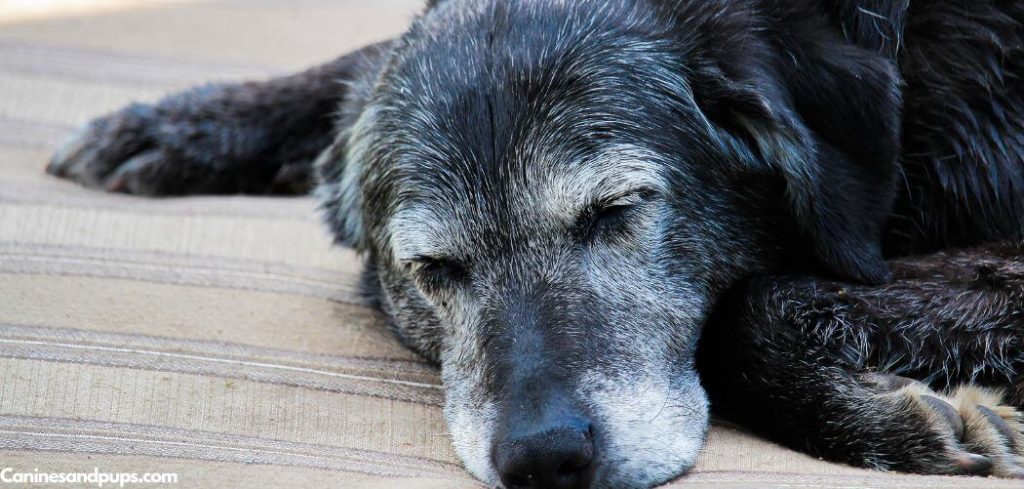
When a dog has droopy-looking eyes and is unusually tired or inactive, it may be a sign that something is affecting their overall health.
You might notice that your dog’s eyelids look heavier than usual, the eyes appear dull or sunken, or your dog spends more time sleeping and shows little interest in playing.
This combination can occur with dehydration, infections, eye pain, neurological conditions, or other illnesses.
Because lethargy suggests that your dog may be unwell beyond the eyes themselves, it is important not to dismiss the symptoms as ordinary tiredness.
We’ll explain the common causes of a dog having droopy eyes and feeling lethargic, what you can do, and when to seek veterinary care.
Table of Contents
Dog Has Droopy Eyes and Is Lethargic: What It Means
A dog may have droopy eyes and lethargy when an illness causes weakness or dehydration, when an eye condition produces pain and squinting, or when a neurological problem affects the nerves controlling the eyelids.
Dehydration can make the eyes appear sunken, while infections and systemic illnesses can cause reduced energy and a tired appearance.
Eye problems such as inflammation, injury, or glaucoma may make a dog hold the eyelids partly closed because of discomfort.
In some cases, Horner’s syndrome or facial nerve dysfunction can change the position of the eyelids, although these conditions do not necessarily explain the lethargy on their own.
The distinction between droopy eyelids, squinting, and sunken eyes is important. Each can point toward a different problem, and lethargy makes a veterinary examination particularly important.
Dog Having Droopy Eyes and Being Lethargic: Causes
1. Dehydration
Dehydration can make a dog’s eyes appear sunken or less full because the tissues surrounding the eyeballs lose some of their normal fluid support.
Your dog may also become weak, tired, and less interested in normal activities.
Dehydration can develop when a dog does not drink enough water or loses too much fluid through vomiting, diarrhea, excessive urination, or overheating.
Other signs may include dry or sticky gums, reduced urination, and weakness. A dog with sunken-looking eyes and lethargy should be assessed promptly because dehydration may be associated with an underlying illness.
Related: Dog eye not fully opening (Here’s why)
2. Infection or Fever
Bacterial, viral, and other infections can make dogs feel unwell and cause them to sleep more, move slowly, and lose interest in activities.
When a dog is sick, the eyes may look dull, heavy, or tired. Some dogs also develop watery eyes, discharge, or visible swelling if the infection affects the eyes themselves.
Other possible signs include reduced appetite, shivering, vomiting, coughing, or changes in drinking habits. The type of infection and its severity determine which additional symptoms appear.
3. Eye Pain or Injury
A painful eye can make a dog keep its eyelids partly closed, creating the appearance of droopy eyes.
Eye injuries, corneal ulcers, foreign material, and inflammation can all cause discomfort.
Dogs experiencing eye pain may blink excessively, squint, tear, rub their faces, or avoid bright light. They may also become less active because of the discomfort.
If the eye problem is painful enough, your dog may appear unusually quiet or lethargic.
A painful or injured eye needs prompt veterinary assessment because some conditions can threaten vision if treatment is delayed.
4. Horner’s Syndrome
Horner’s syndrome is a neurological condition affecting the nerves that control certain functions around the eye. It commonly affects one side of the face.
The affected eye may have a drooping upper eyelid, a smaller pupil, a slightly sunken appearance, and a raised third eyelid. These changes can make one eye look noticeably different from the other.
Possible underlying causes include ear disease, trauma, nerve injury, or growths affecting the nerves. Horner’s syndrome itself is often not painful, but the underlying cause needs investigation.
If your dog also seems lethargic, the veterinarian should assess whether another condition is contributing to the reduced energy.
5. Facial Nerve Paralysis
Facial nerve paralysis occurs when the nerve controlling facial muscles is damaged or stops functioning normally. It can affect the muscles responsible for blinking and closing the eyelids.
You may notice that one side of your dog’s face looks different, with a drooping eyelid, ear, or lip. Some dogs cannot blink properly or close the affected eye.
Possible causes include ear disease, trauma, and other neurological problems. If the dog cannot close the eye, its surface may become dry and damaged.
Lethargy may occur if there is an underlying illness or another problem causing the dog to feel unwell. Veterinary assessment is important to protect the eye and investigate the cause.
6. Anemia
Anemia occurs when a dog has fewer healthy red blood cells or less hemoglobin than needed to carry oxygen around the body.
A dog with anemia may become weak, sleep more than usual, tire easily, and show little interest in exercise. The eyes may look dull or tired, although droopy eyelids are not a specific sign of anemia.
Other possible signs include pale gums, rapid breathing, reduced appetite, and weakness. Causes include blood loss, parasites, immune-related conditions, and certain underlying diseases.
A blood test is needed to determine whether anemia is present and identify possible reasons for it.
7. General Illness or Organ Disease
Conditions affecting organs such as the kidneys, liver, and heart can cause dogs to become lethargic and appear generally unwell.
Depending on the condition, your dog may develop reduced appetite, increased thirst, changes in urination, vomiting, weight changes, or unusual breathing.
The eyes may look dull or sunken if dehydration or another complication develops. However, droopy eyes alone cannot identify which organ may be affected.
Veterinary examination and appropriate diagnostic testing are needed to determine whether an underlying disease is responsible.
8. Medication Side Effects or Toxic Exposure
Certain prescribed medications can cause sleepiness, reduced activity, or changes in alertness.
If your dog has recently started a new medication, the timing of the symptoms is important.
Exposure to a harmful substance can also cause lethargy and other changes, including vomiting, weakness, unusual behavior, or difficulty walking.
If you suspect your dog has swallowed something harmful, seek emergency veterinary advice. Do not wait for additional symptoms or attempt home treatment.
Related: Old dog eyes (Common old dog eye problems)
Dog Eye Drooping One Side Suddenly
A dog whose eye suddenly starts drooping on one side may have a problem affecting the eyelid muscles, facial nerves, or structures surrounding the eye.
One possible cause is Horner’s syndrome, a neurological condition that can make the upper eyelid droop, the pupil become smaller, and the eye appear sunken.
Other possible causes include facial nerve damage, eye injuries, inflammation, infection, or swelling around the eye.
Sometimes, a drooping eyelid occurs alongside a head tilt, changes in balance, or weakness on one side of the face, which may suggest a neurological problem.
Because sudden eye changes can also be associated with painful conditions that threaten vision, have your dog examined by a veterinarian immediately, ideally the same day.
Seek emergency care if the eye becomes cloudy, bulges, appears painful, or your dog develops sudden vision problems, severe weakness, or difficulty walking.
Read more: Dog eye drooping one side (What it means)
Dog Has Droopy Eyes and Is Lethargic but Still Eating
A dog that continues eating despite having droopy eyes and low energy may still have an underlying health problem. Some infections, early illnesses, and eye conditions do not immediately affect appetite.
If the eyes look sunken, dehydration may be a possibility, particularly if your dog has also been vomiting, experiencing diarrhea, or drinking less than usual.
If one eyelid is noticeably lower than the other, a nerve-related condition such as Horner’s syndrome may also need to be considered.
Eating normally is reassuring, but it does not rule out illness. Contact your veterinarian for an examination rather than waiting for appetite loss to develop.
Dog Has Droopy Eyes and Is Lethargic and Not Eating
When droopy eyes and lethargy occur alongside loss of appetite, a dog may be experiencing a more significant illness or discomfort.
Possible causes include infections, dehydration, gastrointestinal problems, pain, organ disease, and other conditions that affect overall health.
A dog that refuses food may also become dehydrated, particularly if it is not drinking normally or is losing fluids through vomiting or diarrhea.
Arrange a veterinary examination promptly. If your dog is very weak, repeatedly vomiting, unable to keep water down, or difficult to wake, seek emergency care.
Dog Has Droopy Eyes and Is Lethargic and Sleeping a Lot
A dog with droopy-looking eyes that is unusually tired, sleeping more than normal, or showing little interest in daily activities may be experiencing an underlying illness.
Possible causes include infections, fever, pain, dehydration, anemia, and kidney or liver disease.
These conditions can reduce energy levels and make the dog appear weak, withdrawn, or sleepy. Droopy eyelids may also occur with certain eye or nerve problems, including Horner’s syndrome or facial nerve dysfunction.
The combination of droopy eyes and lethargy should not automatically be attributed to aging or tiredness, particularly if it develops suddenly.
If one eyelid is drooping, the pupil sizes are different, the third eyelid is visible, or the dog has difficulty blinking, an eye or neurological problem may be involved.
A veterinarian should examine the dog immediately to identify the cause and prevent possible eye damage.
Seek emergency veterinary care if the dog is difficult to wake, cannot stand, has pale or blue gums, struggles to breathe, experiences seizures, or develops a head tilt or loss of balance.
If the dog is simply sleeping more than usual but remains responsive, the combination of symptoms still warrants a veterinary assessment as soon as possible.
What to Do If Your Dog Has Droopy Eyes and Is Lethargic
1. Arrange a Veterinary Examination
Contact your veterinarian and explain that your dog has both droopy-looking eyes and reduced energy.
Mention when the symptoms started and whether they appeared suddenly or gradually.
Do not wait several days to see whether your dog improves, particularly if the symptoms are new.
2. Make Fresh Water Available
Keep clean drinking water within easy reach. If your dog is alert and able to swallow normally, allow it to drink voluntarily.
Do not force water into your dog’s mouth. If your dog is vomiting repeatedly or cannot keep water down, seek veterinary attention.
3. Keep Your Dog Comfortable
Allow your dog to rest in a quiet, comfortable place. Avoid strenuous exercise, long walks, or activities that could make the dog more tired.
Continue observing its behavior and responsiveness.
4. Check for Other Changes
Look for additional symptoms such as vomiting, diarrhea, reduced appetite, pale gums, excessive thirst, changes in urination, eye discharge, redness, or difficulty walking.
Notice whether both eyes look droopy or whether one is affected more than the other. This information can help your veterinarian investigate the cause.
5. Avoid Unprescribed Medication
Do not give human painkillers, leftover antibiotics, or unprescribed eye drops. Some medications can worsen certain conditions or cause additional complications.
If your dog has recently started medication, tell your veterinarian and provide the medication details.
When to Call or Visit Your Vet
A dog with droopy eyes and lethargy should receive veterinary assessment promptly, preferably the same day.
The combination may indicate an illness, dehydration, eye pain, or a neurological problem.
Seek emergency veterinary care if you notice:
Extreme weakness or difficulty waking your dog.
Pale, white, blue, or unusually discolored gums.
Difficulty breathing or rapid, labored breathing.
Repeated vomiting or severe diarrhea.
A swollen or painful abdomen.
Collapse, seizures, or difficulty walking.
A cloudy, swollen, bulging, or severely painful eye.
Sudden vision changes or unequal pupils accompanied by other symptoms.
Do not assume that your dog is simply tired if its normal energy level has changed significantly.
Dog Has Droopy Eyes and Is Lethargic: Treatment
Treatment depends on the underlying cause. Your veterinarian will examine your dog, assess hydration, check the eyes and eyelid movements, and evaluate its general health.
Blood tests may be recommended to investigate anemia, infection, and kidney or liver problems.
Eye pressure testing, corneal staining, ear examinations, or neurological assessments may also be needed depending on the findings.
Treatment may involve fluids for dehydration, appropriate medication for infections or inflammation, or specific eye treatment to protect vision.
If a neurological condition or underlying organ disease is suspected, further testing or referral to a veterinary specialist may be necessary.
Key Takeaway
A dog with droopy eyes and lethargy may be experiencing dehydration, an infection, eye pain, Horner’s syndrome, anemia, or another underlying health problem.
The appearance of the eyes can provide useful clues. Sunken eyes may suggest dehydration, while a drooping eyelid affecting one side may indicate a nerve-related condition. Squinting or partially closed eyes may point toward discomfort or an eye problem.
Because lethargy suggests that your dog is not feeling well, it is important to arrange a veterinary examination promptly. Early assessment can help identify the cause and prevent a potentially serious condition from worsening.


