Noticing that one of your dog’s eyes is drooping can be worrying, especially when the other eye looks completely normal.
You may notice that one upper eyelid hangs lower than usual, the affected eye appears smaller or sunken, or the third eyelid becomes more visible.
A drooping eye on one side can be associated with nerve problems, facial paralysis, ear disease, or an underlying eye condition.
Sometimes the change is painless, but other causes can threaten vision and require urgent veterinary attention.
We explain the common causes of a dog’s eye drooping on one side, what you can do, and when to seek veterinary care.
Table of Contents
Dog Eye Drooping One Side: What It Means
One-sided eye drooping in dogs can occur when the nerves controlling the eyelid and surrounding eye muscles are affected, when the eyeball becomes recessed, or when an eye condition causes swelling or discomfort.
One possible cause is Horner’s syndrome, which can make the upper eyelid droop while the pupil becomes smaller and the third eyelid more visible.
Facial nerve paralysis can also affect the muscles responsible for blinking and closing the eyelids.
Ear infections, injuries, neurological conditions, and certain eye diseases may produce similar changes, so the appearance alone cannot establish the cause.
A sudden change affecting only one eye should be taken seriously. Even if your dog is eating and behaving normally, arrange a veterinary examination immediately.
If the eye is painful, cloudy, red, swollen, injured, or your dog seems unable to see, seek emergency veterinary care.
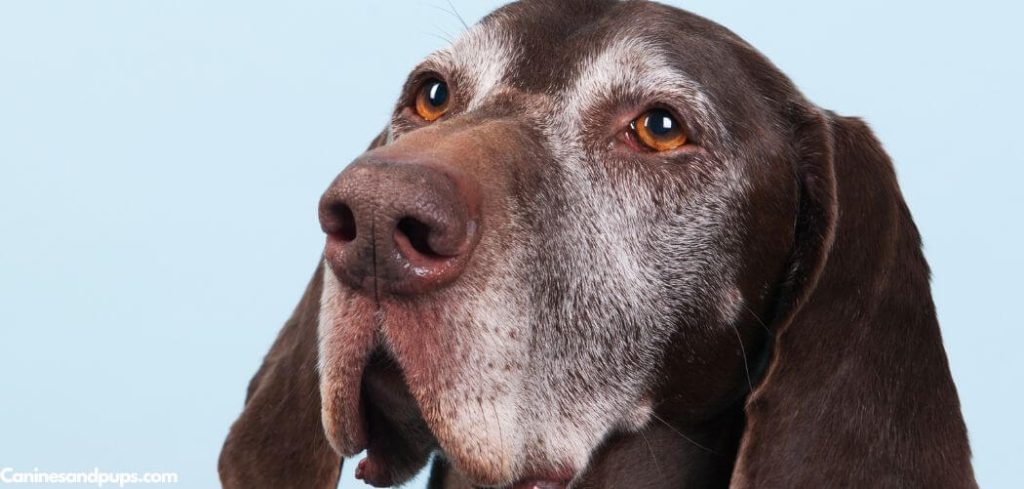
Dog Eye Drooping on One Side: Causes
1. Horner’s Syndrome
Horner’s syndrome is a neurological condition that affects the nerves responsible for controlling certain eye functions. It commonly affects one side of the face and can cause the upper eyelid to droop.
The affected eye may also look slightly sunken, the pupil may become smaller than the pupil in the other eye, and the third eyelid may rise and become more noticeable.
Possible underlying causes include middle or inner ear disease, trauma, injuries affecting the neck or chest, and nerve damage. In some dogs, no specific cause is identified.
Although Horner’s syndrome is often not painful by itself, a veterinarian needs to investigate why it has developed.
Related: Dog eye not fully opening (Here’s why)
2. Facial Nerve Paralysis
Facial nerve paralysis occurs when the nerve controlling the muscles of facial expression stops working properly. It can affect one side of the face, making the eyelid, ear, or lip appear droopy.
A dog with facial nerve paralysis may be unable to blink or close the affected eye completely.
You might also notice drooling from one side of the mouth, food falling out while eating, or reduced movement of the ear on the affected side.
Possible causes include ear infections, trauma, hypothyroidism, tumors, and cases where the cause remains unknown.
One important concern is that a dog that cannot blink properly may develop eye dryness and damage to the cornea. Veterinary assessment is therefore important to protect the affected eye.
3. Middle or Inner Ear Infection
An infection involving the middle or inner ear can affect nearby nerves that help control facial movement and eye function.
If the infection affects the facial nerve, the eyelid on the affected side may droop, and your dog may have difficulty blinking.
Other signs can include head shaking, scratching one ear, an unpleasant ear smell, head tilting, loss of balance, or unusual eye movements.
Some dogs show obvious ear discomfort, while others mainly develop neurological signs.
A veterinarian should examine the ears and assess whether the infection has affected deeper structures.
4. Eye Injury or Trauma
An injury to the eye or surrounding tissues can cause swelling, discomfort, and changes in how the eyelids sit.
Possible causes include scratches, blunt injuries, bites, foreign material, or accidental contact with branches and other objects.
One eye may look smaller because the dog is keeping the eyelids partly closed. There may also be tearing, redness, swelling, squinting, or sensitivity to light.
Eye injuries should be assessed promptly because damage to the cornea or deeper eye structures can threaten vision.
5. Eye Pain or Inflammation
Some eye conditions cause dogs to partially close one eye because of discomfort. This can make the affected eyelid appear lower than the other.
Inflammation inside the eye, corneal irritation, and other painful eye conditions may cause squinting, excessive tearing, redness, or light sensitivity.
A dog may rub its face against furniture or use a paw to scratch the affected eye.
A veterinarian needs to determine whether the change is caused by eyelid weakness or an attempt to protect a painful eye.
6. Glaucoma
Glaucoma occurs when pressure inside the eye becomes abnormally high. It can cause significant pain and damage the structures responsible for vision.
Although glaucoma does not always cause a drooping eyelid directly, a dog may partially close the affected eye because it is painful. The eye may also become red, cloudy, enlarged, or visibly different from the other eye.
Other signs include excessive tearing, squinting, reluctance to have the head touched, and changes in vision.
Acute glaucoma is an emergency because vision can be lost quickly without treatment.
7. Neurological Problems
Certain neurological conditions can interfere with the nerves and muscles responsible for normal eyelid movement and facial symmetry.
Depending on the location of the problem, your dog may develop a drooping eyelid alongside other changes such as an uneven facial appearance, abnormal eye movements, head tilting, difficulty walking, or changes in balance.
The symptoms may develop suddenly or gradually, depending on the underlying condition.
A new one-sided eye change accompanied by other neurological signs requires urgent veterinary assessment.
8. A Growth or Mass Affecting the Eye or Nearby Nerves
A growth around the eye, behind the eyeball, or near the nerves controlling facial movement can sometimes change the position of the eyelid or eye.
Depending on its location, it may cause swelling, a sunken appearance, changes in eyelid movement, or discomfort.
Some dogs develop gradual changes, while others show more noticeable symptoms as the underlying condition progresses.
A veterinarian may recommend an eye examination and imaging if a mass or deeper structural problem is suspected.
Related: Old dog eyes (Common old dog eye problems)
Dog Eye Drooping on One Side Suddenly
A dog whose eye suddenly starts drooping on one side may have a neurological problem affecting the nerves that control the eye and surrounding facial muscles. One possible cause is Horner’s syndrome, which occurs when the nerves responsible for normal eye position and eyelid movement are disrupted.
The affected eye may have a drooping upper eyelid, a smaller pupil, a sunken appearance, or a raised third eyelid.
Horner’s syndrome can develop suddenly and may be associated with middle or inner ear infections, neck injuries, trauma, or nerve damage. In some dogs, the underlying cause cannot be identified.
Another possibility is facial nerve paralysis, which can cause weakness or loss of movement on one side of the face.
In addition to a drooping eyelid, the dog may have a drooping ear or lip, excessive drooling, difficulty blinking, or food falling from one side of the mouth. Ear infections, injuries, hypothyroidism, and conditions affecting the nerves can contribute to facial paralysis.
A sudden change in the position of one eye or eyelid deserves immediate veterinary attention.
If the change follows an accident, a fall, or a blow to the head, seek emergency veterinary care.
Also seek emergency attention if your dog has a cloudy or bulging eye, severe redness, obvious pain, sudden vision changes, difficulty walking, or unusual head movements. Do not assume a sudden drooping eye is simply an age-related change.
Dog Eye Drooping One Side but Acting Normal
A dog can develop a drooping eyelid on one side while continuing to eat, play, walk, and behave normally.
This may happen with conditions such as Horner’s syndrome, which can cause changes in eyelid position and pupil size without obvious pain.
However, normal behavior does not rule out an underlying eye or nerve problem. Some conditions initially cause only subtle changes, and dogs may not show obvious discomfort even when an eye is affected.
Pay attention to whether the pupil sizes are different, whether the third eyelid is visible, and whether your dog can blink normally.
Arrange a veterinary examination immediately, even if your dog otherwise seems healthy.
Why Are My Dog’s Eyes Droopy and Red All of a Sudden?
When a dog’s eyes suddenly become droopy and red, the combination may indicate inflammation, irritation, injury, or a condition affecting the nerves and muscles around the eyes.
Conjunctivitis can cause redness, swelling, and discharge, while uveitis, glaucoma, corneal ulcers, or an eye injury can cause more serious inflammation and discomfort.
If the eyelids also droop, conditions such as Horner’s syndrome or facial nerve problems may be involved.
Sudden redness and drooping should be assessed by a veterinarian the same day because some eye conditions can threaten vision if treatment is delayed. Avoid using human eye drops unless your veterinarian specifically recommends them.
Dog Has Droopy Eyes and Is Lethargic
A dog with droopy eyes and lethargy may be experiencing an illness affecting its overall health rather than simply having an eye problem. Infections, fever, dehydration, pain, anemia, and other systemic conditions can make a dog appear weak, tired, and less alert.
If the eye drooping is sudden, neurological problems or conditions affecting the nerves may also need to be considered, particularly if your dog has an uneven face, unusual pupil sizes, a head tilt, or difficulty walking.
Arrange a veterinary examination immediately, especially if your dog is unusually sleepy or less responsive than normal.
If your dog collapses, struggles to breathe, cannot stand, has seizures, or becomes difficult to wake, seek emergency veterinary care.
Read more: Dog has droopy eyes and lethargic (What it means)
Dog One Eye Half Closed and Drooping
When one eye appears half closed, it may be that a dog is squinting rather than experiencing true eyelid weakness.
Squinting can occur because of eye pain, inflammation, a corneal injury, or increased pressure inside the eye.
The affected eyelid may look lower simply because your dog is trying to protect the eye.
If the eyelid droops without the dog squinting, a nerve-related condition such as Horner’s syndrome or facial nerve paralysis may be considered.
A veterinarian can examine the eyelids, check the cornea, measure eye pressure, and assess the nerves controlling eye movement.
Senior Dog Eye Drooping One Side
A senior dog with one eye suddenly drooping may have a problem affecting the eyelid, eye muscles, nerves, or surrounding tissues.
Possible causes include Horner’s syndrome, which can cause a drooping upper eyelid, a smaller pupil, and the eye appearing sunken; facial nerve dysfunction; eye injury; or inflammation around the eye.
Older dogs may also develop eyelid abnormalities or growths that affect how an eye looks. If the drooping develops suddenly, your dog should be examined by a veterinarian immediately, even if there is no obvious discomfort.
Seek urgent care if the eye is painful, cloudy, bulging, difficult to open, or accompanied by changes in vision, balance, or facial movement.
What to Do If Your Dog’s Eye Is Drooping on One Side
1. Arrange a Veterinary Examination
Contact your veterinarian as soon as you notice that one eye or eyelid is drooping. Explain when the change started and whether it appeared suddenly or gradually.
A new eye abnormality should not be left for several days to see whether it disappears.
2. Observe the Other Eye and Facial Movements
Compare both eyes to see whether the affected pupil looks smaller, whether the third eyelid is raised, or whether your dog can blink normally.
Also check for changes in the ear, lips, and nose on the affected side. These observations can help your veterinarian distinguish an eye problem from facial nerve dysfunction.
3. Watch for Signs of Ear Problems
Look for head shaking, ear scratching, an unusual smell, discharge, or head tilting.
These signs may indicate an ear problem, which can sometimes affect nerves involved in facial movement.
4. Prevent Your Dog From Rubbing the Eye
If your dog is rubbing or scratching the affected eye, prevent further irritation while arranging veterinary care. A protective collar may be recommended by your veterinarian.
Avoid pressing on the eye or trying to reposition the eyelid.
5. Avoid Unprescribed Eye Drops
Do not use human eye drops, leftover pet medication, or ointments without veterinary advice. Some products may be unsuitable for an injured or inflamed eye.
If your dog cannot close the affected eyelid completely, tell your veterinarian because the exposed eye surface may need protection against drying and injury.
When to Call or Visit Your Vet
Contact your veterinarian promptly whenever one of your dog’s eyes or eyelids develops a new drooping appearance.
Some causes are relatively mild, but others can affect vision or indicate an underlying neurological problem.
Seek emergency veterinary care if you notice:
Sudden eye drooping following an injury or accident.
A red, cloudy, swollen, or bulging eye.
Squinting, severe tearing, or obvious eye pain.
Different pupil sizes accompanied by sudden eye changes.
Sudden difficulty seeing or walking into objects.
Head tilting, loss of balance, or unusual eye movements.
Inability to close or blink the affected eyelid, particularly with redness or cloudiness.
Eye conditions such as acute glaucoma can cause rapid and potentially irreversible vision damage, so painful or visibly abnormal eyes should never be left untreated.
Dog Eye Drooping One Side: Treatment
Treatment depends on the underlying cause. Your veterinarian will examine both eyes, assess pupil responses and blinking ability, check eye pressure, and examine the ears and nervous system when indicated.
Additional investigations may include blood tests, thyroid testing, ear examinations, or imaging such as X-rays, CT scans, or MRI.
Horner’s syndrome may resolve without specific treatment in some cases, but an underlying ear infection, injury, or other disease needs appropriate management.
Facial nerve paralysis may require treatment of the underlying cause and ongoing lubricating eye medication if blinking is impaired.
Eye injuries and glaucoma require prompt, condition-specific treatment to protect vision.
Key Takeaway
A dog’s eye drooping on one side can be caused by Horner’s syndrome, facial nerve paralysis, ear infections, eye injuries, glaucoma, or other neurological conditions.
If the upper eyelid droops while the pupil becomes smaller and the third eyelid rises, Horner’s syndrome is one possibility.
If your dog cannot blink properly or also has a drooping ear or lip, facial nerve paralysis may be involved.
Because these conditions can look similar, a veterinary examination is needed to identify the cause.
Do not ignore a new change in one eye, even if your dog seems comfortable and behaves normally.


