
Drooling in an old dog can be alarming, especially if it appears suddenly or is more excessive than usual.
While some drooling is normal in certain breeds, persistent or unusual saliva production in senior dogs can signal an underlying health concern.
We outline the common causes of drooling in old dogs, what you can do at home, and when to seek veterinary help.
Table of Contents
Old Dog Drooling: Why It Happens
Drooling in old dogs can happen for many reasons, ranging from dental disease and nausea to organ problems and neurological conditions. Some cases are mild and linked to treatable issues like tartar buildup, while others are connected to more serious illnesses that require urgent veterinary care.
Because drooling is a symptom, not a disease itself, it’s important to pay close attention to when it occurs, how much saliva is present, and whether other signs such as bad breath, vomiting, or difficulty eating are also happening.
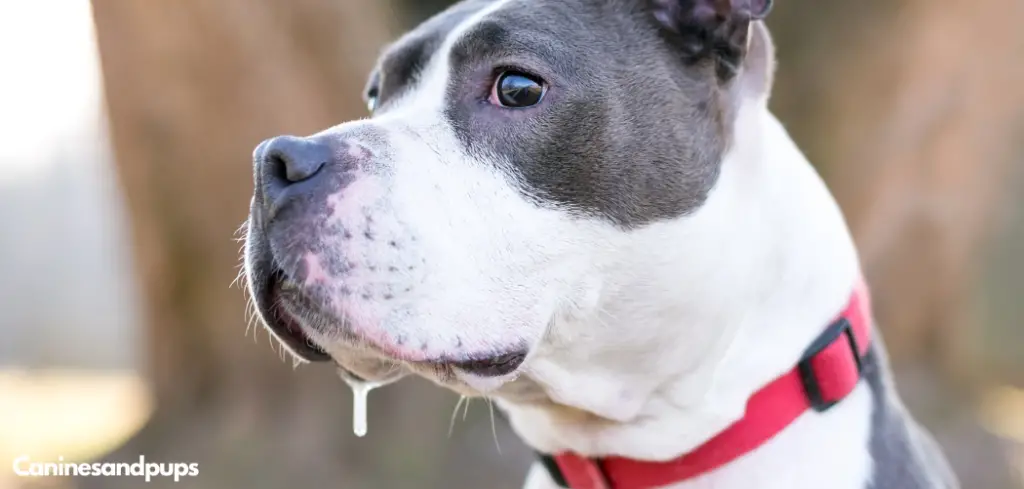
Old Dog Drooling a Lot Suddenly
When an older dog suddenly starts drooling a lot, it often suggests nausea, dental pain, oral infections, or something irritating the mouth or throat.
Senior dogs are also more prone to kidney disease, liver disease, and other systemic illnesses that can cause nausea and increased saliva production.
Because a sudden onset is concerning, a veterinary exam is needed to rule out serious underlying causes.
Old Dog Drooling: What’s Normal or What’s Not?
Some drooling can be normal in older dogs, especially after eating, when anticipating food, during excitement, or in breeds that naturally drool more.
Mild drooling while sleeping may also occur because facial muscles become more relaxed with age.
If the amount of saliva is consistent with what your dog has always produced and there are no other symptoms, it is usually not a cause for concern.
Drooling becomes abnormal when it starts suddenly, increases significantly, or is accompanied by other signs of illness.
Particular warning signs include drooling combined with loss of appetite, vomiting, lethargy, bad breath, facial swelling, pawing at the mouth, difficulty eating, or trouble swallowing.
These symptoms suggest an underlying medical problem that requires veterinary attention.
Old Dog Drooling: Common Causes
Dental Disease
One of the most frequent causes of drooling in old dogs is dental disease. Over time, tartar builds up, gums become inflamed, and teeth may loosen or develop painful infections.
When the mouth is sore, dogs naturally produce more saliva, which may drip or pool around the lips.
You may also notice bad breath, difficulty chewing, pawing at the mouth, or even visible swelling in the gums.
Dental problems are not only painful but can also affect the heart, kidneys, and liver if bacteria spread through the bloodstream. This makes veterinary dental care especially important in older dogs.
Read more: Old Dog Breathing Heavy (Here’s why)
Oral Tumors
Unfortunately, oral tumors are another potential reason for drooling in senior dogs. Growths in the mouth can irritate tissues, block normal swallowing, or create open sores that lead to excessive saliva.
Dogs with oral tumors may also develop bloody drool, difficulty eating, weight loss, or facial swelling.
Some tumors are benign, but others may be malignant and spread quickly, making early detection crucial.
If drooling is accompanied by foul odor or visible lumps inside the mouth, a veterinary exam should not be delayed.
Nausea and Gastrointestinal Upset
Old dogs often drool when they feel nauseous, much like people do. Nausea can be caused by eating something unusual, motion sickness, gastrointestinal disease, or metabolic disorders such as kidney or liver disease.
Excessive saliva before or after vomiting is common, and owners may notice lip licking, pacing, or reluctance to eat.
Because nausea can stem from both minor and serious causes, ongoing drooling paired with digestive upset should be checked by a vet.
Heatstroke or Overheating
Senior dogs are more vulnerable to overheating, especially in warm climates or during exercise. When the body overheats, panting and drooling increase as the dog tries to cool down.
Signs of heatstroke include heavy panting, bright red gums, restlessness, collapse, or vomiting.
Excessive drooling in these cases is a warning sign of a potentially life-threatening emergency. Immediate cooling and veterinary care are required if heatstroke is suspected.
Neurological Disorders
Certain neurological conditions can also trigger drooling in old dogs. Diseases that affect swallowing, muscle control, or the nerves of the mouth can make it difficult for saliva to be managed properly.
A dog with a neurological issue may also display uneven facial movements, head tilting, loss of balance, or sudden behavior changes.
Strokes, brain tumors, and degenerative disorders are among the possible causes.
When drooling is paired with neurological symptoms, urgent veterinary evaluation is needed.
Read more: Old Dog Neurological Problems (Signs to watch oou for)
Toxin Ingestion
Exposure to toxins is another possible cause of sudden excessive drooling. Household cleaners, certain plants, insecticides, and even some human foods (like xylitol or grapes) can cause chemical irritation or poisoning.
In these cases, drooling often begins rapidly and may be accompanied by vomiting, shaking, weakness, or seizures.
Because toxic exposure can be fatal, immediate veterinary attention is critical if poisoning is suspected.
Old Dog Drooling More than Usual
An older dog that is gradually drooling more than usual may have chronic dental disease, gum infections, broken teeth, oral tumors, or ongoing nausea from internal illness.
Poor oral health is very common in senior dogs and can lead to persistent saliva buildup and discomfort while eating.
Even gradual changes should be evaluated, as dental and systemic diseases can worsen over time if untreated.
Old Dog Drooling and Panting
Drooling combined with panting often indicates pain, stress, overheating, or internal illness, causing nausea or discomfort.
Conditions such as heatstroke, abdominal pain, anxiety, or respiratory distress can cause both symptoms at the same time.
Panting suggests the body is under stress, while drooling often signals nausea or oral irritation.
This combination should be assessed quickly, especially if the dog is restless or appears uncomfortable.
Old Dog Drooling and Not Eating
A senior dog that is drooling and not eating may be experiencing significant nausea, dental pain, gastrointestinal disease, kidney failure, or oral problems such as infections or tumors.
Drooling often occurs when eating is painful or when nausea suppresses appetite.
Loss of appetite in older dogs is a red flag and should be checked immediately, especially if it persists for more than 24 hours.
Old Dog Drooling and Vomiting
Drooling and vomiting together usually indicate strong nausea caused by gastrointestinal illness, pancreatitis, toxin exposure, kidney or liver disease, or intestinal obstruction.
Excess saliva is often produced before or during vomiting episodes as the body reacts to stomach irritation.
This combination can quickly lead to dehydration and should be treated as urgent if repeated or severe.
Old Dog Drooling and Lethargic
When drooling is combined with lethargy in an older dog, it often suggests systemic illness such as infection, organ disease, poisoning, or severe pain.
Lethargy indicates reduced energy levels, meaning the condition is affecting the whole body rather than just the mouth.
Veterinary evaluation is important because this combination often signals a more serious underlying issue.
Old Dog Drooling While Sleeping
Drooling during sleep in older dogs can sometimes be normal, especially if it is mild and occasional.
However, increased or new drooling while sleeping may indicate dental disease, nausea, difficulty swallowing, or neurological changes affecting muscle control.
Some senior dogs may also drool more when deeply relaxed or with facial nerve changes.
If drooling becomes excessive or is accompanied by other symptoms, a veterinary check is recommended to rule out health problems.
What to Do If Your Old Dog Is Drooling
If your senior dog is drooling more than usual, start by observing when it happens. Drooling only around mealtime or after drinking water may be harmless, but persistent or sudden drooling should raise concern.
At home, you can gently check your dog’s mouth for visible dental problems, foreign objects, or swelling. Always be careful, as a painful mouth may cause a dog to snap.
Keep your dog hydrated and comfortable, and avoid giving them human food or treats that may worsen gastrointestinal upset. If you suspect overheating, move your dog to a cool area and offer fresh water while monitoring closely.
For mild, occasional drooling without other symptoms, schedule a routine veterinary appointment. But if drooling is ongoing, worsening, or paired with other concerning signs, contact your vet right away.
When to Call or Visit Your Vet
Veterinary care should be sought promptly if your old dog’s drooling is:
Accompanied by bad breath, bleeding, or visible growths in the mouth.
Sudden and severe, especially after exposure to potential toxins.
Paired with vomiting, diarrhea, or signs of nausea.
Linked with heavy panting, collapse, or overheating symptoms.
Associated with neurological changes like staggering, seizures, or head tilting.
Excessive drooling in senior dogs should never be ignored, as it may indicate an underlying condition that requires medical treatment.
A thorough exam, including dental checks, bloodwork, and imaging, can help determine the cause and guide the best care plan.
Read more: Old Dog Dry Nose (Is it normal or concerning?)
Key Takeaway
Drooling in old dogs can range from normal breed tendencies to signs of serious health problems.
Dental disease, oral tumors, nausea, heatstroke, neurological disorders, and toxins are among the most common causes.
As a dog owner, you can support your senior dog by keeping up with dental care, monitoring for new symptoms, and maintaining a safe, cool, and healthy environment.
Most importantly, don’t ignore changes in your old dog’s drooling patterns. Working with your veterinarian ensures your dog receives the right treatment and continues to enjoy comfort and quality of life in their golden years.


