
Orange loose stool is not considered normal and usually indicates that something is affecting your dog’s digestive system.
While a single episode may not be serious, persistent loose orange stool or additional symptoms should always be evaluated by a veterinarian.
Table of Contents
Dog Loose Orange Stool: Why It Happens
A dog with loose orange stool may have dietary indiscretion, a sudden diet change, gastroenteritis, liver or gallbladder disease, pancreatitis, intestinal parasites, inflammatory bowel disease, or another digestive disorder.
Certain foods containing orange-colored ingredients or dyes can also temporarily change the appearance of the stool.
Some dogs continue acting normally despite the change in stool color, while others develop vomiting, abdominal pain, lethargy, or loss of appetite.
Monitoring your dog’s overall condition is just as important as monitoring the stool itself.
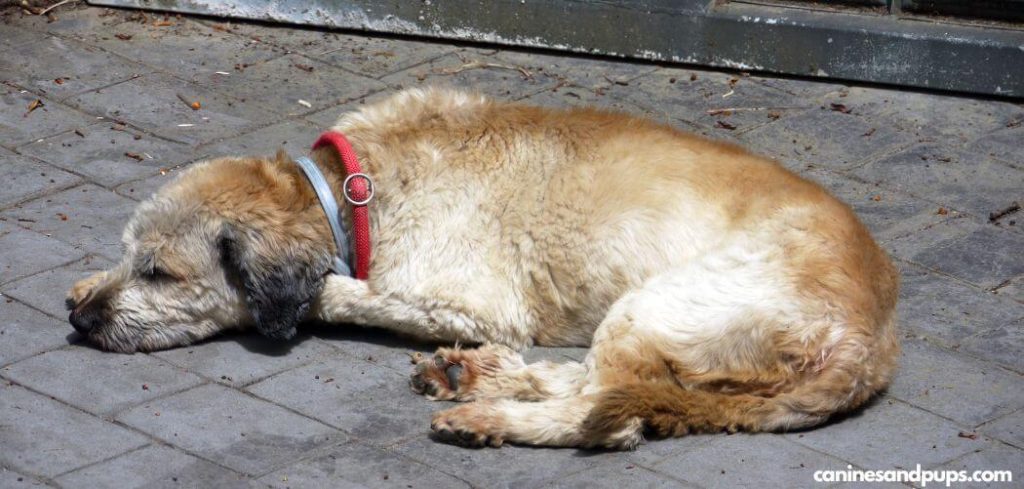
Depending on the underlying cause, a dog may also experience:
Loose orange stool
Increased frequency of bowel movements
Vomiting
Loss of appetite
Abdominal pain
Lethargy
Weight loss
Signs of dehydration
Dog Loose Orange Stool: Common Causes
Dietary Indiscretion
One of the most common causes of loose orange stool is eating spoiled food, garbage, table scraps, or unfamiliar foods.
These can irritate the digestive tract and speed up intestinal transit, allowing bile pigments to remain orange instead of turning brown.
Dogs may also develop vomiting, mild abdominal discomfort, or temporary loss of appetite.
Most mild cases improve with supportive veterinary care, but persistent symptoms require further evaluation.
Read more: Dog Loose Stool (Causes and treatment)
Sudden Diet Change
Changing your dog’s food too quickly can upset the digestive system and lead to loose stool.
Some commercial foods, pumpkin-based diets, sweet potatoes, carrots, or foods containing orange dyes may also temporarily alter stool color.
Gradually transitioning to a new food over seven to ten days helps reduce the risk of digestive upset.
Acute Gastroenteritis
Gastroenteritis causes inflammation of the stomach and intestines following dietary indiscretion, infections, stress, or toxins.
As intestinal contents move rapidly through the digestive tract, bile pigments may not have enough time to turn the stool its usual brown color.
Affected dogs often experience vomiting, diarrhea, dehydration, reduced appetite, and lethargy.
Mild cases may recover with treatment, while severe dehydration may require hospitalization.
Liver or Gallbladder Disease
The liver produces bile, while the gallbladder stores and releases it into the digestive tract.
Diseases affecting either organ can interfere with normal digestion and alter stool color, sometimes resulting in orange loose stool.
Dogs with liver or gallbladder disease may also develop jaundice, vomiting, weight loss, poor appetite, increased thirst, or lethargy.
Blood tests and abdominal ultrasound are commonly used for diagnosis.
Pancreatitis
Pancreatitis is inflammation of the pancreas and often develops after eating fatty foods, although other causes are possible.
Digestive enzymes become disrupted, affecting the digestion of fats and other nutrients.
Dogs with pancreatitis commonly develop vomiting, abdominal pain, loose stool, loss of appetite, fever, and lethargy.
Some cases require hospitalization with intravenous fluids and pain management.
Intestinal Parasites
Parasites such as Giardia, whipworms, hookworms, and roundworms irritate the digestive tract and may cause loose stool that occasionally appears orange because of rapid intestinal transit.
Additional signs often include weight loss, bloating, poor coat quality, vomiting, or reduced appetite. A fecal examination is needed to identify the specific parasite.
Read more: Dog suddenly vomiting and diarrhea (Causes and treatment)
Inflammatory Bowel Disease (IBD)
Inflammatory bowel disease causes chronic inflammation that interferes with normal digestion and nutrient absorption.
During flare-ups, stool may become loose and occasionally appear lighter or orange in color.
Dogs with IBD often experience recurring diarrhea, vomiting, weight loss, poor appetite, and intermittent digestive problems.
Long-term management usually includes prescription diets and medications to reduce intestinal inflammation.
Exocrine Pancreatic Insufficiency (EPI)
Exocrine pancreatic insufficiency occurs when the pancreas fails to produce enough digestive enzymes.
Poor digestion causes abnormal stool color and consistency, including loose, pale, yellow, or occasionally orange stool.
Affected dogs usually have an increased appetite despite losing weight. Lifelong enzyme supplementation and dietary management are often highly effective.
Read more: Dog pooping mucus and diarrhea (Why it happens)
Dog Loose Orange Stool: What to Do at Home
If your dog develops loose orange stool, think about any recent changes in diet, treats, table scraps, or access to garbage that may have upset the digestive system. Also consider whether your dog has eaten foods naturally high in orange pigments, such as carrots or pumpkin.
Provide constant access to fresh water because diarrhea can quickly lead to dehydration. Monitor your dog’s appetite, energy level, stool frequency, and whether vomiting or abdominal pain develops.
Collect a fresh stool sample before visiting your veterinarian if possible. This can help diagnose parasites or other digestive disorders.
Avoid giving human anti-diarrheal medications unless specifically instructed by your veterinarian, as some can be harmful to dogs.
When to Call or Visit the Vet
Loose orange stool that persists should be evaluated by a veterinarian.
Schedule an appointment if you notice:
Loose orange stool lasting more than 24–48 hours
Repeated loose bowel movements
Mild vomiting
Reduced appetite
Weight loss
Mild lethargy
Recurring digestive problems
Increased gas
Seek emergency veterinary attention immediately if your dog develops:
Bloody stool
Severe vomiting
Severe abdominal pain
Collapse or extreme weakness
Signs of dehydration
Yellowing of the eyes or gums
Persistent inability to keep water down
Loose stool in a young puppy with lethargy
Dog Loose Orange Stool: Treatment
Treatment for loose orange stool in dogs depends on the underlying cause and may begin with a veterinary examination, especially if the diarrhea is severe, persistent, or accompanied by other symptoms.
Your veterinarian may recommend diagnostic tests such as a fecal examination, blood work, or imaging to identify infections, parasites, digestive disorders, liver or gallbladder disease, or other gastrointestinal conditions.
Depending on the diagnosis, treatment may include fluid therapy to correct dehydration, anti-diarrheal or anti-nausea medications, probiotics, deworming medication, antibiotics when appropriate, or a prescription gastrointestinal diet to allow the digestive tract to heal.
Dogs with persistent diarrhea, repeated vomiting, blood in the stool, severe abdominal pain, fever, lethargy, or signs of dehydration may require hospitalization for intravenous fluids and more intensive supportive care.
Early veterinary treatment is especially important for puppies, senior dogs, and dogs with underlying medical conditions, as they are more susceptible to dehydration and complications from ongoing diarrhea.
Recovery and Monitoring
Mild dietary indiscretion or a sudden food change often improves within a few days, while chronic conditions such as inflammatory bowel disease, liver disease, or exocrine pancreatic insufficiency require ongoing management.
Monitor your dog’s stool color and consistency, appetite, water intake, energy level, and body weight during recovery. Administer all prescribed medications exactly as directed and attend follow-up appointments if recommended.
Contact your veterinarian if the loose stool worsens, becomes bloody, changes to black or pale gray, or your dog develops vomiting, lethargy, or refuses food.
Key Takeaway
Dog loose orange stool commonly results from dietary indiscretion, sudden diet changes, gastroenteritis, liver or gallbladder disease, pancreatitis, intestinal parasites, inflammatory bowel disease, or exocrine pancreatic insufficiency.
While foods containing orange pigments can temporarily change stool color, persistent loose orange stool often indicates an underlying digestive problem that requires veterinary evaluation.
Because diarrhea can quickly lead to dehydration and may signal disease affecting the digestive organs, early diagnosis and treatment are important.
If your dog develops severe vomiting, bloody stool, abdominal pain, jaundice, collapse, or signs of dehydration, seek emergency veterinary care immediately.


