
If your dog is peeing a lot in hot weather, it may simply be because they are drinking more water to stay hydrated.
Increased water intake naturally leads to increased urination, and this can be a normal response during warm weather.
However, excessive urination that seems disproportionate, continues after temperatures cool, or occurs alongside other symptoms may indicate an underlying medical condition that requires veterinary attention.
Identifying the cause is important because several of these conditions require immediate treatment.
Table of Contents
Dog Peeing a Lot in Hot Weather: Why It Happens
A dog peeing a lot in hot weather may be experiencing a normal increase in water intake, but it can also be caused by diabetes mellitus, kidney disease, Cushing’s disease, urinary tract infection, certain medications, liver disease, or other health problems.
Some dogs may also drink excessively, lose weight, become lethargic, or have accidents in the house.
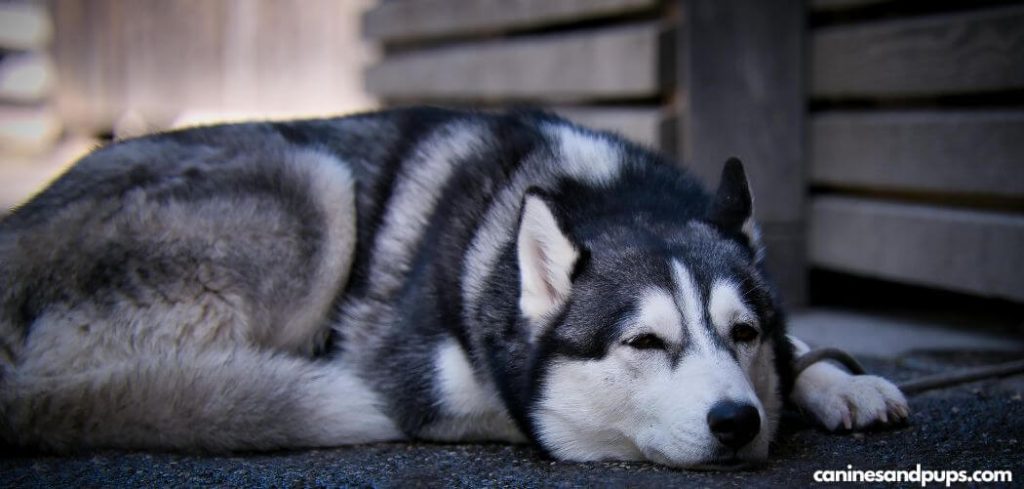
Depending on the underlying cause, a dog may also experience:
Frequent urination
Increased water intake
Accidents in the house
Excessive panting
Increased thirst
Lethargy
Weight loss
Reduced appetite
Dog Peeing a Lot in Hot Weather: Common Causes
Normal Increase in Water Intake
The most common reason dogs urinate more during hot weather is simply that they are drinking more water. Panting causes fluid loss, and healthy dogs compensate by increasing their water consumption.
These dogs usually remain bright, active, and otherwise healthy. Urination returns to normal once temperatures cool and water intake decreases.
This is considered a normal physiological response.
Diabetes Mellitus
Dogs with diabetes often drink excessive amounts of water and produce large volumes of urine. Hot weather may make these signs more noticeable because dogs naturally drink even more.
Other signs include weight loss despite a good appetite, lethargy, cloudy eyes from cataracts, and recurrent urinary tract infections.
Diagnosis is made through blood glucose testing and urinalysis. Treatment involves insulin therapy, dietary management, and regular monitoring.
Kidney Disease
Kidney disease commonly causes increased urination because damaged kidneys cannot concentrate urine effectively. Dogs compensate by drinking more water.
Other signs include poor appetite, vomiting, weight loss, bad breath, lethargy, and dehydration despite increased drinking.
Diagnosis usually includes blood work, urinalysis, blood pressure measurement, and imaging studies.
Related: Dog not peeing as much as usual (Here’s why)
Cushing’s Disease
Cushing’s disease causes excessive cortisol production, leading to increased thirst and urination. During hot weather, owners may notice these changes even more clearly.
Other signs include excessive panting, increased appetite, hair loss, muscle weakness, and a pot-bellied appearance.
Diagnosis requires specialized hormone testing, and treatment usually involves long-term medication.
Urinary Tract Infection
A urinary tract infection may cause dogs to urinate more frequently, although they often produce only small amounts each time.
Dogs may strain while urinating, lick their genital area, have blood in the urine, or appear uncomfortable.
Diagnosis involves urinalysis and urine culture, with treatment typically consisting of antibiotics.
Medications
Certain medications, particularly corticosteroids and diuretics, increase both thirst and urination. Warm weather may further increase water intake, making the effect more noticeable.
Your veterinarian can determine whether medication adjustments are appropriate if excessive urination becomes problematic.
Never stop prescribed medication without veterinary guidance.
Read more: Dog peeing due to stress (Why it happens)
Liver Disease
Some forms of liver disease cause increased thirst and urination along with reduced appetite, vomiting, weight loss, and lethargy.
Affected dogs may also develop jaundice, abdominal swelling, or neurological signs in advanced cases.
Blood tests and abdominal imaging help confirm the diagnosis.
Psychogenic Polydipsia or Behavioral Drinking
A small number of dogs drink excessive amounts of water because of behavioral reasons rather than medical disease. During hot weather, this behavior may become even more pronounced.
Behavioral causes are diagnosed only after medical conditions have been ruled out.
Your veterinarian will help determine whether further evaluation is needed.
Read more: Dog Diarrhea in Hot Weather (Why it happens)
Old Dog Peeing a Lot in Hot Weather
An old dog peeing a lot in hot weather may be urinating more because increased heat causes them to drink more water to stay hydrated.
However, excessive urination in a senior dog should not always be blamed on the weather, especially if the change is sudden or continues even when temperatures are cooler.
Older dogs are more prone to conditions such as kidney disease, diabetes, Cushing’s disease, urinary tract infections, and age-related bladder changes, which can cause increased thirst and urination.
Monitor whether your dog is also drinking more water, having accidents in the house, straining to pee, producing unusually large amounts of urine, losing weight, or showing changes in appetite or energy. Keep fresh water available and avoid restricting water intake during hot weather.
If your senior dog is urinating much more than usual, waking frequently at night to pee, or showing other symptoms, a veterinarian should evaluate the cause.
Dog Peeing a Lot in Hot Weather: What to Do
Continue providing unlimited access to fresh, cool drinking water during hot weather. Never restrict your dog’s water intake, even if they are urinating more frequently, as this can increase the risk of dehydration and heat-related illness.
Monitor how much your dog is drinking and urinating over several days. If increased urination is accompanied by excessive thirst, weight loss, vomiting, lethargy, accidents in the house, or continues after cooler weather returns, schedule a veterinary examination.
Take note of any medications your dog is receiving and inform your veterinarian if you notice a sudden change in drinking or urination habits.
When to Call or Visit the Vet
While increased urination can be normal during hot weather, persistent or excessive urination should be evaluated.
Schedule an appointment if you notice:
Excessive urination lasting several days
Drinking unusually large amounts of water
Weight loss
Reduced appetite
House-soiling accidents
Mild lethargy
Blood in the urine
Repeated urinary tract infections
Seek emergency veterinary attention immediately if your dog develops:
Collapse or inability to stand
Difficulty breathing
Complete inability to urinate
Severe lethargy
Persistent vomiting
Seizures
Bloody urine with significant straining
Loss of consciousness
Dog Peeing a Lot in Hot Weather: Treatment
Veterinary treatment for a dog that is urinating more frequently than usual in hot weather begins with a physical examination and assessment of hydration and urinary function.
The veterinarian may perform urine and blood tests to evaluate kidney function, blood glucose, electrolyte levels, and other relevant health markers.
Depending on the findings, treatment may include fluid therapy, antibiotics when indicated, prescription medications, dietary management, or other targeted treatment.
Recovery
Dogs experiencing a normal increase in urination due to higher water intake generally return to normal once temperatures cool. Dogs with diabetes, kidney disease, Cushing’s disease, or urinary tract infections often require long-term monitoring and treatment.
Monitor your dog’s drinking habits, urination frequency, appetite, energy level, and body weight during hot weather. Continue providing unlimited fresh water, exercise during cooler parts of the day, and follow your veterinarian’s treatment recommendations.
Contact your veterinarian if increased urination persists, worsens, or is accompanied by excessive thirst, vomiting, weight loss, lethargy, or urinary difficulties.
Key Takeaway
A dog peeing a lot in hot weather often does so because they are drinking more water to stay hydrated, but excessive urination can also indicate diabetes mellitus, kidney disease, Cushing’s disease, urinary tract infections, liver disease, medication effects, or other medical conditions.
Monitoring both water intake and urination helps determine whether the change is a normal seasonal response or a sign of illness.
Early veterinary evaluation can identify the underlying cause and prevent complications.
If your dog develops severe lethargy, collapse, persistent vomiting, inability to urinate, bloody urine with straining, seizures, or loss of consciousness, seek emergency veterinary care immediately.


