
A dog with a gurgling stomach and excessive gas can leave owners wondering whether the problem is harmless or a sign of digestive trouble.
Mild gas and stomach noises are common in dogs, but persistent gurgling and gassiness may point to diet issues or an underlying gastrointestinal condition.
Table of Contents
Dog Stomach Gurgling and Gassy: Why It Happens
A dog may develop stomach gurgling and gas when excess air or fermentation builds up inside the digestive tract.
As gas, fluids, and food move through the stomach and intestines, they create rumbling or bubbling noises that owners hear as stomach gurgling.
Common causes include eating too quickly, dietary changes, food sensitivities, intestinal parasites, or digestive inflammation.
Some dogs only experience mild bloating or flatulence, while others may develop diarrhea, abdominal discomfort, vomiting, or appetite changes alongside the stomach noises.
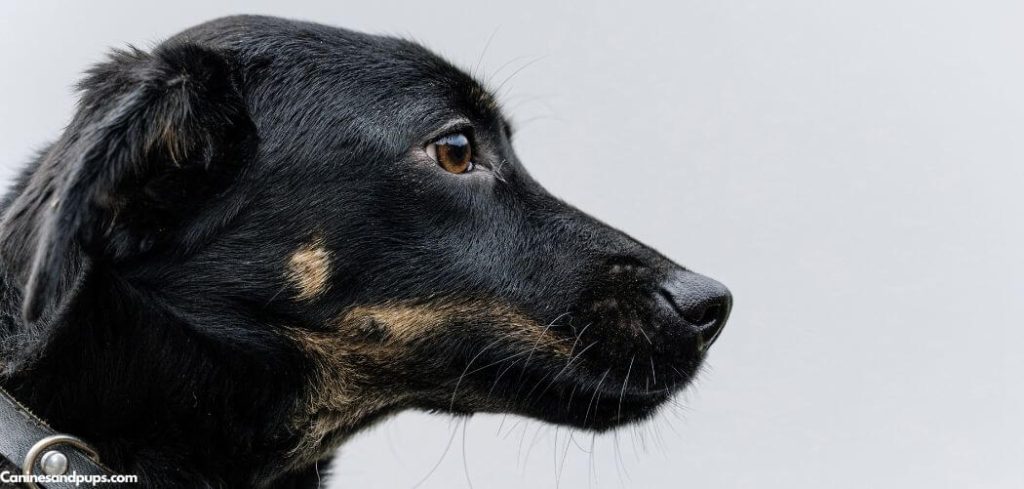
Dog Stomach Gurgling and Gassy: Common Causes
Eating Too Fast
One of the most common reasons dogs become gassy with loud stomach noises is eating too quickly.
Dogs that gulp their food rapidly swallow large amounts of air during meals. This trapped air moves through the digestive tract and creates rumbling, bubbling, and excessive gas.
Fast eaters may also burp frequently, appear bloated after meals, or pass gas more often later in the day. Larger meals eaten quickly can place extra stress on digestion and increase intestinal fermentation.
Using slow-feeder bowls or splitting meals into smaller portions can often help reduce swallowed air and digestive noise.
Read more: Dog stomach gurgling and shaking (What it means)
Dietary Changes
Sudden changes in food commonly trigger stomach gurgling and gas in dogs.
The digestive system needs time to adapt to new proteins, ingredients, or food formulations. Abrupt changes can upset the balance of gut bacteria and increase fermentation inside the intestines.
Rich treats, fatty table scraps, dairy products, or unfamiliar foods may also lead to temporary gas buildup and noisy digestion.
Some dogs adjust within a few days, while others develop diarrhea or stomach upset if the new food does not agree with them.
Food Intolerance or Food Sensitivity
Some dogs have sensitive digestive systems that react poorly to certain ingredients.
Proteins, grains, dairy, or fatty foods may irritate the intestines and increase gas production. Food-sensitive dogs often develop recurring stomach gurgling, flatulence, loose stool, or bloating after eating certain foods.
In some cases, skin symptoms such as itching, paw licking, or ear infections occur alongside digestive signs.
If symptoms repeatedly happen after specific meals or treats, the diet may be contributing to the problem.
Gastroenteritis
Gastroenteritis refers to inflammation of the stomach and intestines and is another major cause of gurgling and gas.
Dogs may develop gastroenteritis after eating spoiled food, garbage, rich foods, or irritating substances. Bacterial and viral infections may also inflame the digestive tract.
Inflammation increases fluid and gas movement through the intestines, leading to loud stomach noises and excessive flatulence. Dogs with gastroenteritis often also develop vomiting, diarrhea, nausea, or reduced appetite.
Severe cases can quickly lead to dehydration and require veterinary treatment.
Read more: Dog Stomach Gurgling a Lot (Here’s why)
Intestinal Parasites
Parasites such as hookworms, Giardia, whipworms, and roundworms can disrupt normal digestion and increase intestinal gas production.
These parasites irritate the intestinal lining and interfere with nutrient absorption, often causing bloating, stomach gurgling, diarrhea, and foul-smelling gas.
Puppies are especially vulnerable to parasite-related digestive problems, though adult dogs can also become infected.
Some dogs may lose weight, develop poor coat quality, or show low energy alongside digestive symptoms.
Poor-Quality or Hard-to-Digest Foods
Certain dog foods contain ingredients that are harder for some dogs to digest.
Foods with excessive fillers, artificial additives, or low-quality protein sources may ferment more inside the intestines and create excess gas. Some dogs simply digest certain brands or formulations poorly.
Owners may notice their dog’s stomach becomes noisy shortly after meals or that flatulence worsens after eating particular foods.
Switching to a higher-quality, easily digestible diet sometimes significantly improves symptoms.
Dog Stomach Gurgling and Gassy: What to Do
If your dog has mild stomach gurgling and gas but otherwise seems healthy, monitoring diet and eating habits is often the first step.
Feeding smaller meals throughout the day may reduce gas buildup and improve digestion. Dogs that eat too quickly often benefit from slow-feeder bowls or puzzle feeders.
Avoid giving greasy table scraps, dairy products, or rich treats that can upset the digestive system. Keeping meals simple and consistent often helps sensitive stomachs.
If changing foods, transition gradually over several days by slowly mixing the new food with the old food.
Make sure your dog stays hydrated and continues eating normally. Mild digestive upset may improve within a day or two once the digestive tract settles.
Pay attention to additional symptoms such as vomiting, diarrhea, bloating, abdominal pain, or appetite loss, as these signs may indicate a more serious problem.
When to Call or Visit Your Vet
You should contact your veterinarian if stomach gurgling and gas become severe, persistent, or happen alongside vomiting or diarrhea.
Visible abdominal pain, bloating, weakness, appetite loss, or weight loss should also be evaluated promptly.
Retching without producing vomit, pacing, drooling, or a swollen abdomen may indicate gastric dilatation-volvulus (bloat), which is a life-threatening emergency requiring immediate treatment.
Puppies, senior dogs, and dogs with chronic medical conditions are more vulnerable to dehydration and complications from digestive illness.
If your dog develops chronic flatulence, recurring stomach noises, or long-term digestive problems, your veterinarian may recommend stool testing, dietary trials, or additional gastrointestinal testing.
Key Takeaway
Dog stomach gurgling and gas are often caused by swallowed air, dietary changes, mild digestive upset, or food sensitivities. Many dogs experience occasional noisy digestion without having a serious medical problem.
However, persistent gurgling and excessive gas combined with vomiting, diarrhea, bloating, pain, or appetite changes may point to a more significant digestive disorder.
Monitoring your dog’s eating habits and overall health can help you recognize when mild digestive noise is normal and when veterinary care is needed.


