
Many dogs love sniffing, chewing, and playing with leaves outside, but some dogs go a step further and actually eat dead leaves.
Occasional leaf chewing is often harmless, but repeated eating of dry leaves can sometimes point to boredom, curiosity, or underlying health issues.
Table of Contents
Why Does My Dog Eat Dead Leaves? Why It Happens
Dogs may eat dead leaves because of natural curiosity, instinctive scavenging behavior, boredom, stomach irritation, or simple enjoyment of the texture and smell. Puppies often explore outdoor objects with their mouths, while adult dogs may chew leaves for stimulation or comfort.
In some cases, repeated leaf eating may be linked to nutritional deficiencies, anxiety, or a condition called pica, where dogs repeatedly consume non-food items.
Although small amounts of leaves may pass harmlessly through the digestive tract, eating large quantities can sometimes lead to vomiting, intestinal irritation, or blockage.
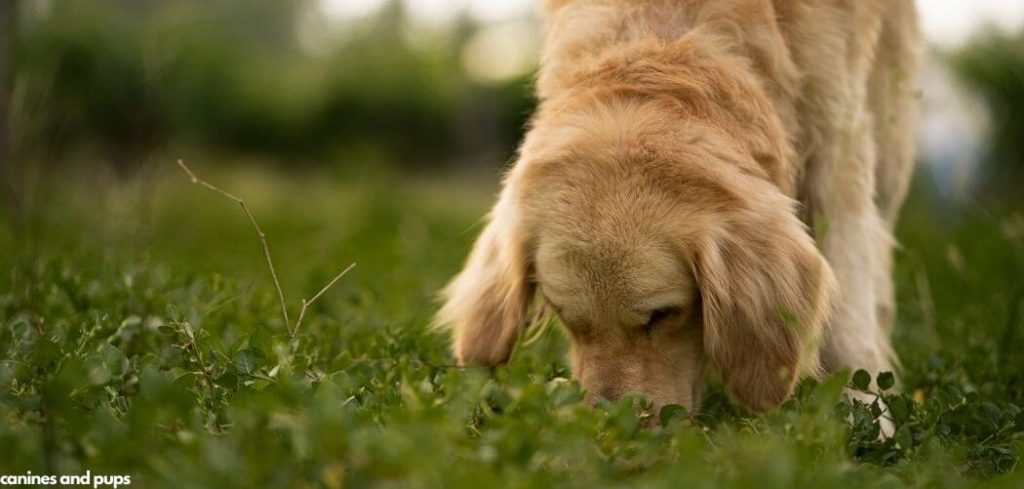
Dog Eating Dead Leaves: Common Causes
Natural Curiosity and Exploration
Dogs naturally explore the world using their mouths and noses. Dead leaves carry interesting smells, textures, and sounds that many dogs find entertaining.
Puppies especially tend to chew leaves simply because they are investigating their environment. Crunchy dry leaves can feel stimulating and playful, particularly during walks or outdoor playtime.
Many dogs enjoy chasing blowing leaves during windy weather, and some eventually begin chewing or swallowing them during play.
Occasional leaf chewing from curiosity is usually harmless as long as the dog is not consuming large amounts.
Related: Why Does My Dog Eat Leaves and Dirt?
Boredom and Lack of Mental Stimulation
Dogs that lack enough physical exercise or mental enrichment may start chewing or eating leaves simply to occupy themselves.
Outdoor scavenging behaviors often develop when dogs become understimulated. Chewing dead leaves can provide texture, smell, and sensory stimulation that helps relieve boredom temporarily.
Dogs suffering from boredom may also:
Dig excessively
Chew sticks
Bark repeatedly
Destroy household items
Pace
Lick obsessively
High-energy breeds are especially prone to developing repetitive outdoor habits if their activity needs are not fully met.
Increasing daily walks, training sessions, playtime, and enrichment activities often helps reduce unwanted chewing behaviors.
Instinctive Scavenging Behavior
Dogs are natural scavengers and opportunistic eaters. Even well-fed dogs may investigate and consume unusual objects outdoors simply because their instincts encourage them to explore edible possibilities.
Dead leaves may smell appealing because they contain traces of soil, plant material, insects, or decaying organic matter. Some dogs are especially attracted to earthy outdoor scents.
This instinctive scavenging behavior is usually harmless in moderation but can become problematic if the dog consumes large amounts or eats toxic plant material.
Mild Digestive Upset
Some dogs eat leaves when experiencing mild stomach discomfort, nausea, or digestive irritation. Similar to grass eating, leaf chewing may occur instinctively when dogs feel unsettled.
Dogs with digestive discomfort sometimes seek rough plant material while attempting to soothe irritation or trigger vomiting.
Digestive-related leaf eating may happen alongside:
Vomiting
Lip licking
Burping
Eating grass
Reduced appetite
Diarrhea
If the behavior appears suddenly or becomes frequent together with digestive symptoms, stomach irritation may be contributing.
Pica
Pica is a condition where dogs repeatedly eat non-food items such as leaves, dirt, rocks, paper, or fabric. Dogs with pica may become fixated on certain textures or materials and repeatedly seek them out.
Pica can develop because of:
Nutritional deficiencies
Anxiety
Digestive disease
Medical conditions
Behavioral disorders
Dogs with pica may consume large amounts of leaves rather than simply chewing them occasionally.
Persistent non-food eating should always be evaluated by a veterinarian because it can lead to intestinal blockage or poisoning.
Anxiety and Stress
Stress and anxiety can contribute to repetitive chewing and scavenging behaviors in dogs. Some anxious dogs chew leaves as a self-soothing activity when feeling nervous, frustrated, or overstimulated.
Stress-related leaf eating may become more common during:
Separation from owners
Changes in routine
Moving homes
Loud noises
Environmental stress
Anxious dogs may also display:
Pacing
Whining
Excessive licking
Clinginess
Restlessness
Destructive chewing
Managing the underlying stress often helps reduce the behavior.
Hunger or Food-Seeking Behavior
Some dogs chew dead leaves simply because they are hungry or highly food-motivated. Dogs that enjoy foraging may investigate anything with an interesting smell or texture.
This behavior may become more noticeable:
Before meals
In growing puppies
In highly food-driven breeds
In dogs on calorie-restricted diets
However, true hunger alone is usually not the only cause if the behavior becomes excessive.
Nutritional Deficiencies
Although less common, some dogs may eat unusual outdoor materials when lacking certain nutrients or minerals. Poor-quality diets or absorption problems can occasionally contribute to abnormal cravings.
Dogs with nutritional imbalance may also show:
Weight loss
Poor coat quality
Low energy
Weakness
Digestive issues
Feeding a balanced diet appropriate for your dog’s age and health is important for preventing deficiencies.
Taste and Texture Enjoyment
Some dogs simply enjoy chewing dry, crunchy leaves. The sound, texture, and movement can be entertaining and satisfying, much like chewing toys or sticks.
Dogs often prefer:
Crisp autumn leaves
Leaves that blow in the wind
Soft, partially decayed leaves
Piles of leaves
Occasional chewing for enjoyment is usually harmless if toxic plants are not involved.
Related: Why Does My Dog Eat Dirt and Rocks?
Are Dead Leaves Dangerous for Dogs?
Dead leaves themselves are not always dangerous, but there are several risks associated with eating them.
Leaves may contain:
Pesticides
Fertilizers
Mold
Toxic plant material
Parasites
Sharp stems
Large quantities can also irritate the digestive tract or contribute to intestinal blockage, especially in small dogs.
Moldy leaves are particularly concerning because some molds produce toxins that can make dogs seriously ill.
Signs Leaf Eating May Be Causing Problems
Watch for symptoms such as:
Vomiting
Diarrhea
Loss of appetite
Abdominal pain
Lethargy
Constipation
Excessive drooling
These signs may suggest digestive irritation, poisoning, or blockage.
Related: Dog eating leaves and throwing up (Here’s why)
What You Can Do at Home
Increase Exercise and Enrichment
Providing more walks, playtime, training, and puzzle toys can reduce boredom-related scavenging.
Supervise Outdoor Time
Closely monitor your dog outside and redirect them calmly if they begin eating leaves.
Teach “Leave It”
Training reliable impulse-control commands can help prevent unsafe scavenging behaviors.
Remove Leaf Piles
Keeping your yard free of large piles of damp or moldy leaves can reduce temptation and lower health risks.
Feed a Balanced Diet
Ensure your dog receives complete nutrition appropriate for their life stage and health needs.
When to Call or Visit the Vet
Contact your veterinarian if your dog:
Frequently eats large amounts of leaves
Vomits repeatedly
Has diarrhea
Appears lethargic
Stops eating regular food
Shows abdominal pain
Develops constipation
Displays compulsive behavior
Immediate veterinary care may be needed if toxic plants or mold exposure is suspected.
Dog Eating Dead Leaves: Treatment
Depending on the cause, your veterinarian may recommend:
Physical examination
Bloodwork
Fecal testing
Nutritional evaluation
Behavioral assessment
Imaging if blockage is suspected
Treatment depends on the underlying issue and may include dietary changes, digestive support, anxiety management, or treatment for poisoning or obstruction.
Dog Eating Dead Leaves: Prevention
You can help prevent excessive leaf eating by:
Supervising outdoor activities
Removing toxic plants
Cleaning up leaf piles
Increasing enrichment and exercise
Providing chew toys
Preventing boredom
Scheduling regular veterinary care
Key Takeaway
Dogs eat dead leaves for many reasons, including curiosity, boredom, instinct, stomach upset, anxiety, or simple enjoyment of chewing them.
Occasional leaf chewing is often harmless, but repeated or excessive leaf eating can sometimes lead to digestive problems or indicate an underlying issue.
Paying attention to your dog’s behavior and overall health can help you determine whether the habit is harmless curiosity or something that deserves veterinary attention.


