
Few sleeping positions look more adorable than a dog lying on their back with all four paws up in the air. While this posture is often completely normal, many owners wonder whether it means their dog feels unusually comfortable, is trying to cool down, or could even be experiencing discomfort.
Table of Contents
Dog Sleeping on Back With Paws Up: Why It Happens
A dog sleeping on their back with paws up is usually a sign that they feel relaxed, secure, and physically comfortable in their environment.
Dogs often expose their belly when they trust the people around them because the stomach is one of the most vulnerable parts of the body.
Some dogs also sleep this way to cool themselves down, stretch their muscles, or relieve pressure on certain joints.
In other cases, unusual sleeping positions may occasionally be linked to discomfort, overheating, or underlying health changes, especially if the behavior suddenly appears alongside other symptoms.
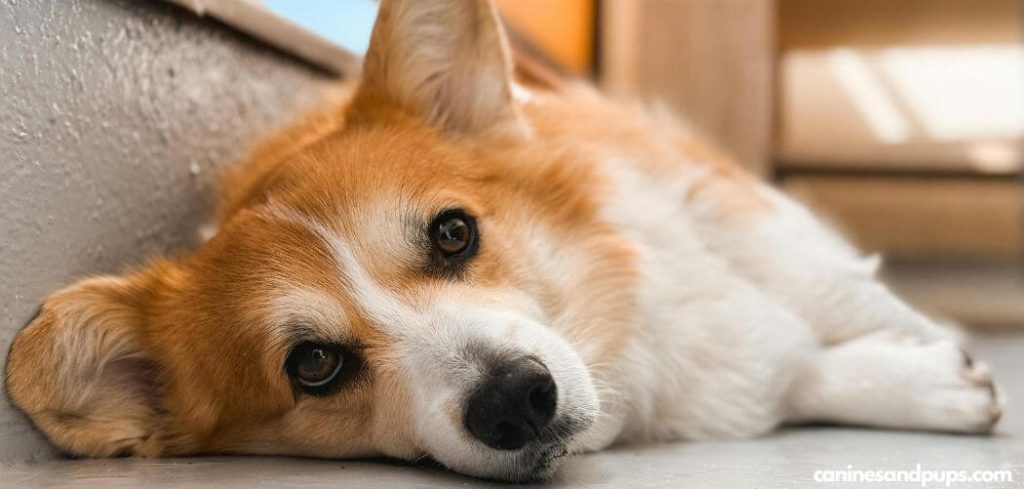
Dog Sleeping on Back With Paws Up: Common Causes
Feeling Safe and Relaxed
One of the most common reasons dogs sleep on their back with paws up is because they feel completely safe in their surroundings.
In the wild, exposing the belly leaves animals vulnerable, so many dogs only sleep this way when they feel deeply secure around their family and environment. Dogs that regularly use this sleeping position are often relaxed and emotionally comfortable at home.
You may notice your dog sleeping deeply, twitching during dreams, snoring softly, or remaining completely sprawled out without reacting to small household noises. This is usually a positive sign that your dog feels calm and trusting.
Dogs that are anxious or fearful are generally less likely to sleep in such an exposed position.
Read more: Why Does My Dog Sleep on My Pillow With Me? (What it means)
Cooling Down
Dogs sometimes roll onto their backs because it helps them regulate body temperature more effectively.
The belly has thinner fur and allows heat to escape more easily. By exposing this area to cooler air or flooring, dogs can cool themselves when they feel warm.
This is especially common during hot weather, after exercise, or when dogs sleep on tile, hardwood, or other cool surfaces. Some dogs may stretch out with paws fully extended to maximize airflow around the body.
If your dog otherwise seems healthy and comfortable, this behavior is usually normal. However, excessive panting, drooling, or signs of overheating should not be ignored.
Muscle Stretching and Physical Comfort
Sleeping on its back can also simply feel physically comfortable for some dogs.
This position allows the spine, hips, and leg muscles to fully relax and stretch out. Active dogs sometimes sleep this way after playing or exercising because it relieves tension throughout the body.
Certain dogs naturally prefer more open sleeping positions depending on their flexibility, body shape, and sleeping habits. Puppies especially may twist into unusual positions because their joints and muscles are highly flexible.
As long as your dog moves normally when awake and does not show signs of pain, sleeping on the back is generally harmless.
Breed Personality and Individual Preference
Some breeds are naturally more likely to sleep belly-up than others.
Confident, social, and easygoing dogs often adopt relaxed sleeping positions more frequently. Breeds such as Labrador Retrievers, Golden Retrievers, Bulldogs, Boxers, and many smaller companion breeds commonly sleep on their backs with paws in the air.
Individual personality also plays a major role. Some dogs simply enjoy this sleeping posture because it feels cozy or allows them to fully relax.
Owners may notice the behavior more often in dogs that are highly bonded to their family and comfortable inside the home.
Seeking Attention or Belly Rubs
Some dogs learn that rolling onto their back gets attention from their owners.
If your dog frequently flips onto their back while watching you closely or wagging their tail, they may be inviting interaction, belly rubs, or playtime. Over time, dogs repeat behaviors that bring positive attention.
This type of belly-up behavior is often playful and social rather than related to actual sleep. Dogs may partially drift off in this position while still enjoying the comfort and attention.
As long as your dog appears happy and relaxed, this behavior is completely normal.
Possible Discomfort or Health Changes
Although sleeping on the back is usually harmless, sudden changes in sleeping posture can occasionally point to discomfort or health issues.
Some dogs with abdominal discomfort, joint stiffness, breathing issues, or skin irritation may lie differently in an attempt to reduce pressure or ease discomfort.
Dogs that suddenly start sleeping on their back much more frequently alongside symptoms such as restlessness, panting, whining, limping, or appetite changes, should be monitored carefully.
Older dogs with arthritis may also alternate sleeping positions more often to find relief from stiffness.
If your dog seems uncomfortable, restless, or develops additional symptoms, a veterinary checkup is a good idea.
Read more: Why Does My Dog Sleep Between Me and My Boyfriend?
Dog Sleeping on Back With Paws Up: What to Do
If your dog sleeps on their back with paws up and otherwise seems healthy, relaxed, and active, there is usually no reason for concern. This sleeping position is often a positive sign that your dog feels comfortable and secure.
Make sure your dog has a supportive sleeping area with enough room to fully stretch out. Soft bedding and cool resting areas can help dogs remain comfortable, especially during warmer weather.
Monitor your dog for any changes in behavior, mobility, appetite, or breathing. Sudden changes in sleeping habits sometimes provide early clues that something else may be bothering your dog.
During hot weather, ensure your dog has access to shade, water, and cooler indoor spaces. Dogs that overheat may sleep belly-up more often to release body heat.
If your dog seems stiff, painful, or restless when getting up, consider discussing joint support or mobility concerns with your veterinarian.
When to Call or Visit Your Vet
You should contact your veterinarian if your dog suddenly changes sleeping positions along with signs of illness or discomfort.
Heavy panting, breathing difficulty, bloating, whining, pacing, or repeated attempts to get comfortable may signal pain or overheating.
Limping, stiffness, reluctance to move, or difficulty standing could point to arthritis or orthopedic problems.
Digestive symptoms such as vomiting, diarrhea, appetite loss, or abdominal swelling should also be evaluated promptly.
If your dog seems unusually lethargic, confused, or unable to settle comfortably, a veterinary exam can help rule out underlying medical issues.
Read more: Why Does My Dog Sleep on My Shoes?
Key Takeaway
A dog sleeping on their back with paws up is usually a normal and healthy behavior that reflects comfort, trust, and relaxation. Many dogs use this position to cool down, stretch out, or simply because it feels comfortable while sleeping.
Most of the time, there is no cause for concern unless the behavior appears suddenly alongside signs of pain, illness, or overheating.
Paying attention to your dog’s overall comfort, mobility, and behavior can help you recognize when a cute sleeping position is simply harmless — or when it may deserve a closer look.


