
Many dog owners wake up to find their dog stretched across the pillow beside their head or even sharing the pillow directly with them. While some owners find this behavior sweet and comforting, others wonder why dogs seem so determined to sleep in such a personal spot.
In most cases, this behavior is completely normal and reflects affection and attachment rather than a problem.
Table of Contents
Why Does My Dog Sleep On My Pillow With Me? Why It Happens
Dogs sleep on your pillow because it combines several things dogs naturally love: your scent, warmth, softness, and emotional closeness. Pillows absorb strong human scent from hair, skin, and breathing, making them highly comforting to dogs.
Sleeping near your head also keeps your dog close to your breathing, heartbeat, and body heat, all of which can help them feel calm and secure. In some cases, dogs simply find pillows physically comfortable and enjoy the elevated support.
This behavior is usually driven by affection, attachment, and instinctive pack bonding.
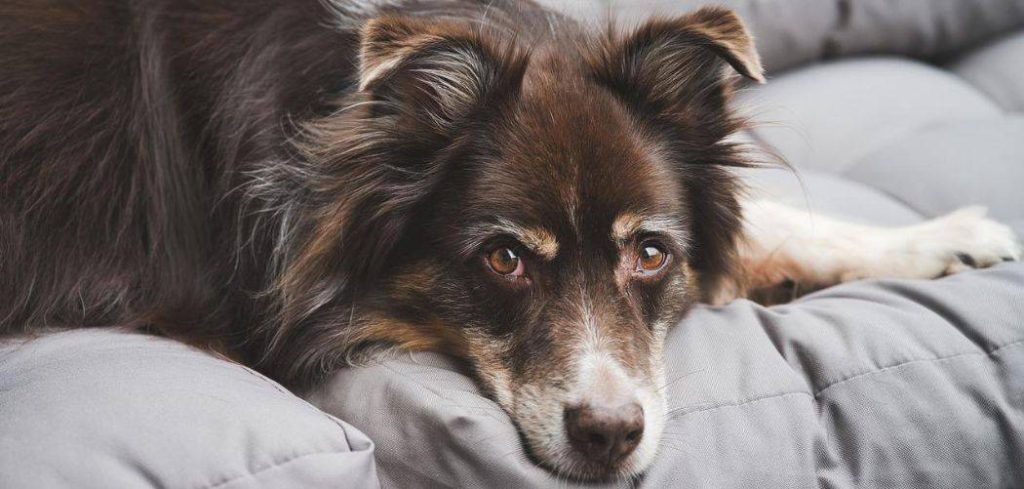
Is It Normal For Dogs To Sleep On Pillows?
Yes, many dogs naturally enjoy sleeping on pillows, especially if they already sleep in bed with their owners. Dogs often seek elevated, soft, and scent-filled areas that feel secure and comfortable.
Some dogs sleep:
Beside the pillow
Directly on the pillow
Behind the owner’s head
Across the neck or shoulders
Pressed against the face
Physical closeness during sleep is a common canine social behavior.
Although humans may find it funny waking up to a dog occupying half the pillow, this behavior makes perfect sense from a canine perspective. Your pillow combines scent, warmth, softness, and emotional closeness all in one location.
To your dog, it may simply feel like the safest and most comforting place to sleep.
Why Dogs Love Human Scent
Dogs rely heavily on scent to understand their environment and social relationships. Your pillow carries one of the strongest concentrations of your scent in the home.
To your dog, your scent communicates:
Safety
Familiarity
Comfort
Emotional connection
Social bonding
This is one reason dogs are often drawn to pillows, blankets, laundry, and clothing belonging to their favorite person.
Related: Why Does My Dog Sleep On My Shoes?
Reasons Your Dog Sleeps On Your Pillow With You
Your Dog Feels Closely Bonded To You
One of the most common reasons dogs sleep on pillows with their owners is emotional attachment. Dogs are social animals that naturally seek closeness with trusted family members.
Sleeping directly beside your head allows your dog to remain physically connected throughout the night. For many dogs, this closeness feels emotionally comforting and secure.
Dogs that are especially affectionate often prefer sleeping as close as possible to the people they trust most.
Your Pillow Smells Like You
Your pillow contains a strong concentration of your scent from your hair, skin, and breathing. Dogs find this scent calming and reassuring.
Sleeping on your pillow may help your dog feel relaxed, especially during sleep when dogs naturally seek safe and familiar environments.
Even when you are asleep, your scent continues providing emotional reassurance to your dog.
Your Dog Enjoys Warmth And Softness
Pillows are soft, warm, and cushioned, making them naturally attractive sleeping spots for many dogs. Small dogs, puppies, and short-haired breeds especially enjoy cozy sleeping surfaces.
Your body heat also warms the pillow area, making it even more comfortable during cooler nights.
Dogs naturally seek warm sleeping locations because warmth promotes relaxation and restful sleep.
Your Dog Feels Safe Near Your Head
Some dogs instinctively prefer sleeping near their owner’s head because it feels secure and socially connected. Dogs often position themselves strategically while resting, especially around trusted people.
Being close to your breathing and heartbeat may help your dog feel calm and protected during sleep.
For anxious or highly attached dogs, sleeping near your face may provide extra reassurance.
Your Dog May Be Protecting You
Some dogs sleep near the head or pillow area because of protective instincts. Guarding breeds and naturally alert dogs may choose elevated positions where they can monitor the environment while staying close to their owner.
This behavior is usually subtle and affectionate rather than aggressive.
Dogs that feel protective often prefer sleeping in positions where they can quickly observe movement or sounds in the room.
Puppies Often Develop This Habit Early
Puppies naturally crave physical closeness while sleeping. Young dogs are used to sleeping packed tightly beside littermates and often seek similar warmth and contact after joining a new home.
A puppy allowed to sleep on pillows early may continue the habit into adulthood because it becomes emotionally comforting and familiar.
Some Dogs Simply Like Elevated Sleeping Spots
Certain dogs enjoy raised sleeping positions because they provide better visibility, airflow, or comfort. Pillows slightly elevate the head and body, which some dogs naturally prefer.
This may be especially true for dogs that like sleeping on couches, cushions, or other soft elevated surfaces.
Could Anxiety Cause This Behavior?
Yes, some dogs sleep on pillows because closeness helps reduce anxiety. Dogs experiencing mild stress or attachment-related insecurity may seek constant physical proximity for comfort.
This behavior may become more noticeable during:
Thunderstorms
Fireworks
Travel
Changes in routine
Illness
Stressful environments
However, sleeping on your pillow alone does not automatically mean your dog has anxiety.
Certain Breeds Are More Likely To Sleep On Pillows
Some breeds are naturally more affectionate and physically clingy than others. Companion breeds and “velcro dogs” are especially likely to seek close sleeping contact.
Breeds commonly known for this behavior include:
Chihuahuas
French Bulldogs
Pugs
Cavalier King Charles Spaniels
Dachshunds
Labrador Retrievers
Golden Retrievers
However, individual personality often matters more than breed alone.
Why Older Dogs May Sleep Closer To You
Senior dogs sometimes seek more physical closeness due to aging-related emotional or sensory changes. Vision loss, hearing decline, and cognitive dysfunction can increase a dog’s desire for reassurance and familiarity.
Sleeping on your pillow may help older dogs feel calmer and more secure during rest.
Is It Safe To Let Your Dog Sleep On Your Pillow?
For most healthy dogs and owners, sharing a pillow is generally harmless. However, there are a few things to consider.
Large dogs may interfere with sleep quality or breathing space. Dogs that shed heavily, drool, or track dirt indoors may also create hygiene concerns for some owners.
People with allergies, asthma, or weakened immune systems may prefer setting boundaries around sleeping arrangements.
When The Behavior Could Become Problematic
Although usually harmless, excessive clinginess combined with emotional distress may indicate underlying anxiety.
You should monitor for additional symptoms such as:
Panic when separated
Destructive behavior
Constant following
Excessive whining
Restlessness
Difficulty relaxing alone
In these situations, emotional dependency may need attention.
How to Redirect the Behavior Gently
If you prefer your dog not to sleep on your pillow, gradual redirection works best. Providing a nearby dog bed, blanket, or designated sleeping space can help your dog adjust comfortably.
Consistency and positive reinforcement are more effective than punishment.
Dogs usually adapt well when given alternative sleeping spots that still feel close and secure.
Key Takeaway
If your dog sleeps on your pillow with you, the behavior is usually a sign of affection, comfort, attachment, and trust.
Dogs are naturally drawn to places carrying their owner’s scent, warmth, and emotional presence.
In most cases, the behavior is completely normal and harmless. As long as your dog appears emotionally balanced and healthy, sleeping on your pillow is simply one of the many ways dogs seek closeness and bonding with the people they love most.


