
If your dog is restless at night in hot weather, they may simply be too warm to sleep comfortably.
Dogs rely on panting rather than sweating to cool themselves, and warm nighttime temperatures can make it difficult for them to settle.
However, persistent nighttime restlessness—especially if accompanied by excessive panting, weakness, vomiting, or confusion—may indicate heat exhaustion, dehydration, pain, or another medical condition that requires veterinary attention.
Table of Contents
Dog Restless at Night in Hot Weather: Why It Happens
Dogs may become restless at night during hot weather because nighttime temperatures remain too high for them to cool down and sleep comfortably.
If their body continues struggling to regulate temperature or an underlying illness is present, discomfort, dehydration, reduced oxygen delivery, or pain can prevent restful sleep and lead to pacing or repeated position changes throughout the night.
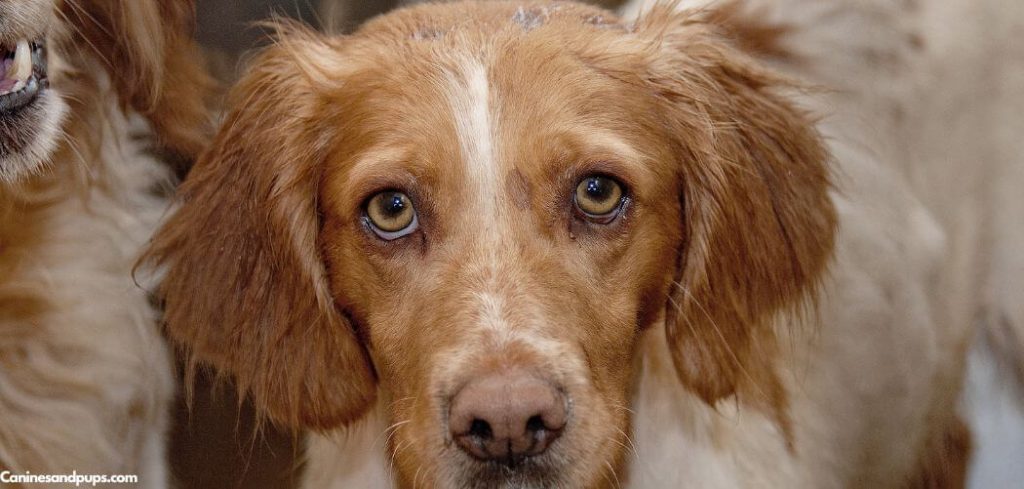
Depending on the underlying cause, a dog may also experience:
Pacing or inability to settle
Excessive panting
Increased thirst
Frequent position changes
Reduced appetite
Lethargy the following day
Drooling
Weakness
Dog Restless at Night in Hot Weather: Common Causes
Warm Sleeping Environment
The most common reason dogs become restless at night during hot weather is that their sleeping area remains too warm. Dogs may repeatedly change positions or move between cool surfaces in an attempt to lower their body temperature.
These dogs usually settle once the room cools, a fan or air conditioning is used, or they are moved to a cooler sleeping area.
This is generally a normal response to hot nights.
Read more: Dog Diarrhea in Hot Weather (Why it happens)
Heat Exhaustion
Heat exhaustion can continue developing during the evening if a dog has been exposed to excessive daytime heat. Restlessness is often one of the earliest warning signs.
Other symptoms include excessive panting, drooling, weakness, vomiting, diarrhea, and reluctance to lie down.
Prompt veterinary treatment is recommended to prevent progression to heatstroke.
Heatstroke
Heatstroke is a life-threatening emergency that may worsen overnight if body temperature remains dangerously elevated.
Affected dogs often pace continuously before becoming weak, confused, collapsing, or developing seizures.
Immediate emergency veterinary care is essential.
Dehydration
Dogs that lose excessive fluids through panting during the day may become dehydrated by nighttime, making them uncomfortable and unable to settle.
Additional signs include dry gums, increased thirst, reduced urine production, lethargy, and weakness.
Treatment focuses on restoring hydration and addressing the underlying cause.
Pain or Arthritis
Joint pain and arthritis often become more noticeable after a day’s activity, particularly when combined with hot, humid conditions. Dogs may pace or repeatedly reposition themselves because they cannot find a comfortable sleeping position.
Affected dogs may also limp, hesitate to lie down, or have difficulty standing.
Veterinary treatment can improve comfort and mobility.
Heart Disease
Dogs with heart disease may become restless at night because lying down can make breathing more difficult, particularly during hot weather.
Other signs include coughing, rapid breathing, exercise intolerance, weakness, or fainting.
Diagnosis usually includes chest X-rays, echocardiography, electrocardiography, and blood pressure testing.
Read more: Old dog panting in hot weather (Is it normal?)
Respiratory Disease
Respiratory disorders such as collapsing trachea, chronic bronchitis, laryngeal paralysis, or brachycephalic airway syndrome often worsen in warm, humid conditions.
Dogs may pace because they are struggling to breathe comfortably while lying down.
Treatment depends on the specific respiratory disorder.
Cognitive Dysfunction Syndrome
Senior dogs with canine cognitive dysfunction often become restless at night, and warm temperatures may worsen their confusion and inability to settle.
These dogs may also pace, vocalize, stare into corners, or appear disoriented after dark.
Veterinary management focuses on slowing disease progression and improving quality of life.
Dog Restless at Night in Hot Weather: What to Do
Keep your dog’s sleeping area as cool as possible by using air conditioning, fans, cooling mats, or allowing them to sleep on cool tile floors. Provide unlimited access to fresh, cool drinking water throughout the night and avoid vigorous exercise during the evening if temperatures remain high.
Monitor your dog’s breathing, appetite, hydration, and overall comfort. If your dog remains restless despite cooling measures or develops excessive panting, vomiting, weakness, confusion, or difficulty breathing, contact your veterinarian immediately.
Never leave your dog in a poorly ventilated room or enclosed space during hot nights.
When to Call or Visit the Vet
A veterinarian should evaluate nighttime restlessness that continues despite cooling measures.
Schedule an appointment if you notice:
Restlessness occurring every night
Mild panting while resting
Reduced appetite
Increased thirst
Mild lethargy
Difficulty sleeping
Exercise intolerance
Weight loss
Seek emergency veterinary attention immediately if your dog develops:
Suspected heatstroke or heat exhaustion
Collapse or inability to stand
Difficulty breathing
Continuous excessive panting
Bright red, blue, gray, or pale gums
Persistent vomiting or bloody diarrhea
Seizures
Loss of consciousness
Dog Restless at Night in Hot Weather: Treatment
Veterinary treatment for a dog that becomes restless at night in hot weather depends on whether the dog is simply uncomfortable or is developing heat-related illness.
The veterinarian will assess body temperature, breathing, heart rate, hydration, and circulation and may perform blood tests to check for complications.
Treatment may include controlled cooling, intravenous fluids, electrolyte replacement, oxygen therapy, anti-nausea medication, and other supportive medications when indicated.
If the dog has signs of heatstroke, such as excessive panting, weakness, confusion, vomiting, diarrhea, difficulty breathing, collapse, or an abnormally high body temperature, emergency veterinary treatment and hospitalization may be required.
Recovery and Monitoring
Dogs experiencing simple heat discomfort often sleep normally once their environment is cooled, while those with heat exhaustion, dehydration, heart disease, respiratory illness, arthritis, or cognitive dysfunction may require ongoing treatment.
Monitor your dog’s nighttime behavior, breathing, appetite, hydration, and energy level during hot weather.
Keep sleeping areas cool, provide constant access to fresh water, exercise during cooler parts of the day, and follow your veterinarian’s treatment recommendations.
Contact your veterinarian if nighttime restlessness becomes more frequent, persists despite cooling measures, or is accompanied by excessive panting, vomiting, weakness, collapse, or breathing difficulties.
Key Takeaway
A dog that is restless at night in hot weather is often trying to stay cool or find a more comfortable place to sleep.
However, persistent nighttime restlessness can also indicate heat exhaustion, heatstroke, dehydration, pain, heart disease, respiratory disease, anxiety, or cognitive dysfunction in senior dogs.
Early veterinary evaluation can identify the underlying cause before serious complications develop.
If your dog develops collapse, difficulty breathing, continuous excessive panting, seizures, persistent vomiting, loss of consciousness, or signs of heatstroke, seek emergency veterinary care immediately.


