
If your old dog is panting in hot weather, it may be more than just a normal response to warm temperatures.
Senior dogs are less efficient at regulating their body temperature and are more likely to have underlying health conditions that make hot weather harder to tolerate.
While mild panting after being outdoors can be normal, excessive or persistent panting in an older dog may signal heat exhaustion, heart disease, respiratory disease, pain, or another medical condition that requires veterinary attention.
Table of Contents
Old Dog Panting in Hot Weather: Why It Happens
An old dog panting in hot weather may simply be trying to cool down, but it can also be caused by heat exhaustion, dehydration, heart disease, respiratory disease, arthritis pain, cognitive dysfunction, obesity, or hormonal disorders such as Cushing’s disease.
Some senior dogs also become restless, cough, refuse food, or appear weak. Because older dogs are more vulnerable to heat-related illness, early recognition of abnormal panting is important.
Older dogs pant more easily in hot weather because aging reduces their ability to regulate body temperature and cope with environmental stress.
Many senior dogs also have heart, lung, joint, or hormonal conditions that increase breathing effort.
Even moderately warm temperatures can trigger excessive panting in dogs that previously tolerated heat without difficulty.
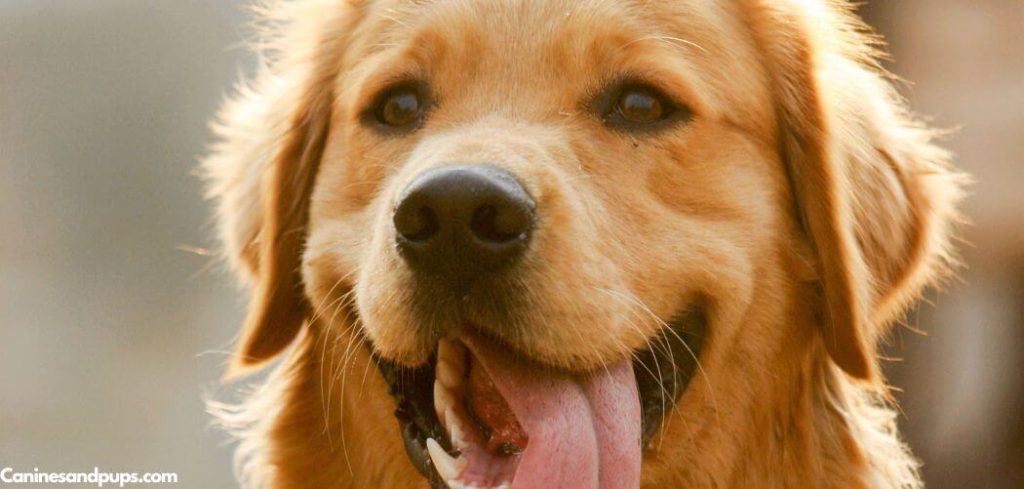
Depending on the underlying cause, your senior dog may also experience:
Heavy or persistent panting
Excessive drooling
Increased thirst
Restlessness
Lethargy
Difficulty exercising
Coughing
Weakness
Old Dog Panting in Hot Weather: Common Causes
Normal Age-Related Heat Intolerance
As dogs age, their ability to regulate body temperature becomes less efficient. Older muscles generate heat more easily during activity, while circulation and cooling mechanisms often become less effective.
Many senior dogs therefore pant more than they did when they were younger, particularly after walks or spending time outdoors.
Panting should gradually improve once your dog is resting comfortably in a cool environment.
Read more: Dog Diarrhea in Hot Weather (Why it happens)
Heat Exhaustion
Senior dogs are much more susceptible to heat exhaustion than younger adults. Age-related changes, chronic disease, and reduced cardiovascular function make it harder to cool the body during hot weather.
Affected dogs often pant excessively, drool heavily, become weak, refuse food, vomit, or develop diarrhea. Heat exhaustion can rapidly progress to heatstroke if left untreated.
Immediate veterinary care is essential and may include controlled cooling, intravenous fluids, oxygen therapy, and monitoring for organ damage.
Heart Disease
Heart disease is a common cause of excessive panting in older dogs. During hot weather, the heart works harder to circulate blood and regulate body temperature, making symptoms more noticeable.
Other signs include coughing, exercise intolerance, rapid breathing while resting, weakness, or fainting episodes.
Diagnosis often includes chest X-rays, echocardiography, blood pressure measurement, and electrocardiography. Treatment depends on the specific heart condition.
Respiratory Disease
Senior dogs are more likely to develop chronic bronchitis, collapsing trachea, laryngeal paralysis, or other respiratory disorders that worsen during warm weather.
Panting becomes heavier because narrowed or inflamed airways make breathing more difficult. Some dogs also cough, wheeze, or make noisy breathing sounds.
Treatment depends on the underlying respiratory condition and may include medication, weight management, or surgery in selected cases.
Read more: Dog panting excessively and restless (Causes and when to worry)
Arthritis and Chronic Pain
Pain commonly increases panting, particularly during warm weather when inflammation may become more noticeable. Dogs with arthritis often pant after standing, walking, or climbing stairs.
Many also appear restless, frequently change positions, or have difficulty becoming comfortable enough to sleep.
Treatment may include pain-relieving medication, weight management, physical rehabilitation, and joint-support therapies.
Cushing’s Disease
Cushing’s disease is a hormonal disorder frequently diagnosed in senior dogs. Excess cortisol production commonly causes excessive panting even when temperatures are only mildly warm.
Other signs include increased thirst, increased urination, a pot-bellied appearance, hair loss, muscle weakness, and increased appetite.
Diagnosis requires specialized blood tests and sometimes ultrasound examinations. Treatment usually involves long-term medication.
Obesity
Extra body fat acts as insulation, making it more difficult for older dogs to lose body heat. Obese senior dogs often pant heavily after minimal activity during warm weather.
Obesity also increases the risk of arthritis, heart disease, diabetes, and heatstroke.
A veterinarian-guided weight management plan significantly improves heat tolerance.
Cognitive Dysfunction Syndrome
Senior dogs with canine cognitive dysfunction may become confused or restless during hot weather, causing them to pace and pant more than usual.
These dogs may also wander aimlessly, become disoriented, sleep poorly, or appear anxious, especially during the evening.
Management often includes environmental adjustments, dietary support, medications, and maintaining a cool, comfortable home.
Read more: Dog panting excessively for no reason (What it means)
Old Dog Panting in Hot Weather: What to Do
Move your senior dog into a cool, shaded, or air-conditioned environment as soon as you notice excessive panting. Always provide fresh, cool drinking water, and avoid walks or vigorous activity during the hottest part of the day. Early morning and late evening are usually the safest times for exercise.
Allow your dog to rest quietly while monitoring their breathing. If the panting settles within a short time after cooling down and your dog otherwise appears comfortable, continue observing them closely. If the panting persists, worsens, or is accompanied by weakness, coughing, vomiting, diarrhea, or collapse, contact your veterinarian immediately.
Never leave an older dog in a parked vehicle, even for a few minutes, and avoid using ice-cold water to cool an overheated dog.
When to Call or Visit the Vet
Persistent panting in an older dog should always be taken seriously.
Schedule an appointment if you notice:
Panting lasting longer than 30 to 60 minutes after resting
Panting with minimal activity
Mild coughing
Reduced appetite
Increased thirst
Exercise intolerance
Restlessness during warm weather
Repeated episodes of excessive panting
Seek emergency veterinary attention immediately if your dog develops:
Suspected heatstroke or heat exhaustion
Difficulty breathing
Collapse or inability to stand
Bright red, blue, gray, or pale gums
Continuous excessive panting
Vomiting or diarrhea with overheating
Seizures
Loss of consciousness
Old Dog Panting in Hot Weather: Treatment
Your veterinarian will perform a physical examination and perform diagnostic tests. Diagnostic testing may include blood work, urinalysis, chest X-rays, heart evaluation, oxygen assessment, hormone testing for conditions such as Cushing’s disease, or additional tests depending on the suspected cause.
Treatment may include controlled cooling, intravenous fluids, oxygen therapy, medications for heart or respiratory disease, pain management, hormone therapy, weight management, or hospitalization for heat-related illness.
Recovery and Monitoring
Recovery depends on the underlying cause. Mild heat-related panting often resolves once your dog cools down, while heart disease, respiratory disease, arthritis, hormonal disorders, or heat exhaustion require ongoing management.
Monitor your senior dog’s breathing, appetite, hydration, energy level, and tolerance for warm weather. Keep your dog indoors during periods of extreme heat, maintain a healthy weight, provide unlimited access to fresh water, and follow your veterinarian’s treatment recommendations carefully.
Contact your veterinarian if the panting becomes more frequent, occurs while resting, is accompanied by coughing, vomiting, diarrhea, weakness, confusion, or if your dog struggles to recover after cooling down.
Key Takeaway
An old dog panting in hot weather commonly experiences normal age-related heat intolerance, heat exhaustion, heart disease, respiratory disease, arthritis pain, Cushing’s disease, obesity, or cognitive dysfunction.
While some increase in panting can be expected during warm weather, excessive or persistent panting in a senior dog should never be ignored.
Early veterinary evaluation can identify the underlying cause and help prevent life-threatening complications such as heatstroke.
If your senior dog develops difficulty breathing, collapse, seizures, continuous excessive panting, bright red or pale gums, or signs of severe overheating, seek emergency veterinary care immediately. Early treatment gives your dog the best chance of a full recovery.


