
If your dog is unusually quiet in hot weather, it may simply be conserving energy to avoid overheating.
Many dogs naturally become less active, sleep more, and avoid exercise when temperatures rise.
However, if your dog is significantly quieter than usual, difficult to wake, refuses food, or develops other symptoms such as excessive panting or vomiting, it may indicate heat exhaustion or another underlying illness that requires veterinary attention.
Recognizing when quiet behavior is normal versus concerning can help prevent serious complications.
Table of Contents
Dog Quiet in Hot Weather: Why It Happens
A dog that is quiet in hot weather may be experiencing a normal response to heat, but it can also be caused by heat exhaustion, heatstroke, dehydration, pain, heart disease, respiratory disease, infection, or another medical condition.
Many dogs naturally become quieter because reducing activity helps prevent overheating. By resting more, they generate less body heat and conserve energy.
Some dogs may also pant heavily, become lethargic, stop eating, or collapse.
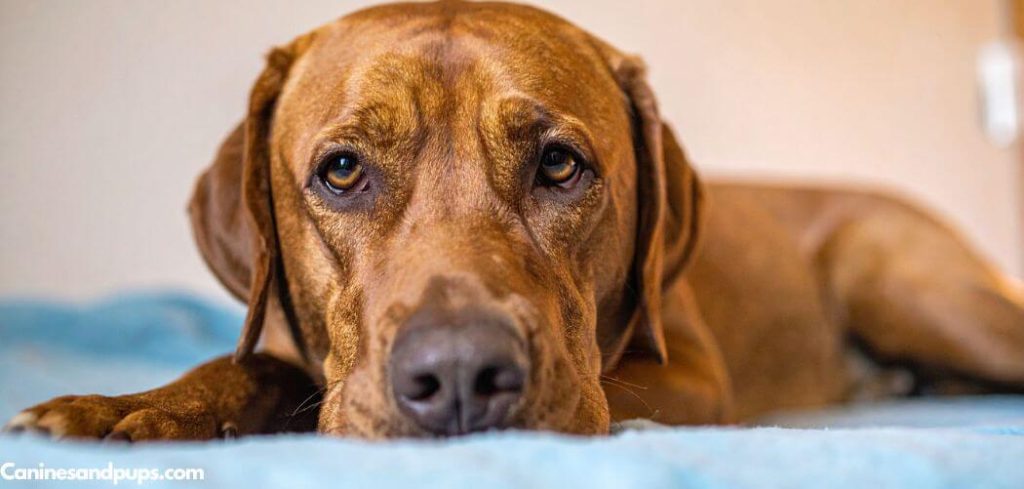
How Do Dogs Behave in Hot Weather?
Dogs often change their behavior in hot weather as they try to regulate their body temperature and avoid overheating.
Common signs include increased panting, drinking more water, sleeping more, moving less, seeking cool surfaces, staying in shaded areas, and avoiding exercise.
Some dogs may appear less playful, have a reduced appetite, or become restless, especially during the hottest parts of the day.
These behaviors are normal responses to heat, but excessive panting, weakness, confusion, vomiting, drooling, or collapse may indicate heat exhaustion or heatstroke and require immediate veterinary attention.
Dogs that are more vulnerable to heat, including puppies, senior dogs, overweight dogs, and flat-faced breeds such as Pugs and Bulldogs, may show stronger changes in behavior because they have more difficulty cooling themselves.
Keeping your dog hydrated, providing a cool resting area, limiting outdoor activity during peak temperatures, and monitoring for unusual changes can help prevent heat-related problems.
Dog Quiet in Hot Weather: Signs
Depending on the underlying cause, a dog may also experience:
Sleeping more than usual
Reduced activity
Excessive panting
Increased thirst
Loss of appetite
Lethargy
Weakness
Vomiting
Dog Quiet in Hot Weather: Common Causes
Normal Response to Hot Weather
The most common reason dogs become quiet during warm weather is to conserve energy. Healthy dogs often spend more time resting in cool, shaded areas and become less interested in exercise until temperatures fall.
These dogs remain alert when approached, continue eating and drinking normally, and return to their usual activity levels during cooler parts of the day.
This behavior is generally considered normal.
Read more: Dog Diarrhea in Hot Weather (Why it happens)
Heat Exhaustion
Heat exhaustion develops when the body can no longer cool itself effectively. Dogs often become noticeably quieter as they grow weak and fatigued.
Other signs include excessive panting, drooling, vomiting, diarrhea, and reluctance to move. Without prompt treatment, heat exhaustion may progress rapidly to heatstroke.
Immediate veterinary care is recommended.
Heatstroke
Heatstroke is a life-threatening emergency that can affect the brain, heart, kidneys, and other organs. Dogs often become extremely quiet before progressing to collapse or loss of consciousness.
Additional signs include continuous heavy panting, bright red or pale gums, vomiting, diarrhea, seizures, and confusion.
Emergency veterinary treatment is essential.
Dehydration
Fluid loss through panting can lead to dehydration if dogs do not drink enough water. Reduced circulation and electrolyte imbalances commonly cause weakness and quiet behavior.
Affected dogs may also have dry gums, sunken eyes, increased thirst, and reduced urine production.
Fluid replacement and treatment of the underlying cause are necessary.
Heart Disease
Dogs with heart disease often become quiet during hot weather because their hearts must work harder to maintain circulation while cooling the body.
Other signs may include coughing, rapid breathing, exercise intolerance, or fainting episodes.
Diagnosis usually includes chest X-rays, echocardiography, electrocardiography, and blood pressure testing.
Respiratory Disease
Respiratory disorders such as chronic bronchitis, collapsing trachea, laryngeal paralysis, or brachycephalic airway syndrome reduce oxygen delivery, making dogs less active during hot weather.
Affected dogs frequently pant heavily, breathe rapidly, cough, or struggle after mild activity.
Treatment depends on the specific respiratory disorder.
Infection or Fever
Dogs with bacterial or viral infections often become quiet regardless of the weather, but warm temperatures may worsen fatigue.
Additional signs include reduced appetite, fever, vomiting, diarrhea, coughing, or nasal discharge.
Veterinary examination is needed to identify and treat the underlying illness.
Pain or Chronic Disease
Arthritis, cancer, kidney disease, liver disease, diabetes, or other chronic illnesses may become more noticeable during hot weather, causing dogs to appear unusually quiet.
These dogs may also lose weight, refuse food, drink excessively, or show reduced mobility.
Diagnosis requires appropriate veterinary testing.
Read more: Dog Unsettled in Hot Weather (Why it happens)
Dog Quiet in Hot Weather: What to Do
Move your dog to a cool, shaded, or air-conditioned environment and allow them to rest comfortably. Provide unlimited access to fresh, cool drinking water and avoid walks or vigorous exercise until your dog appears comfortable and temperatures have fallen.
Monitor your dog’s appetite, breathing, hydration, and responsiveness. If your dog remains unusually quiet after cooling down, refuses food or water, develops vomiting, diarrhea, excessive panting, weakness, or appears difficult to wake, contact your veterinarian promptly.
Avoid forcing your dog to exercise or exposing them to additional heat.
When to Call or Visit the Vet
Quiet behavior that is more pronounced than your dog’s normal response to warm weather should be evaluated.
Schedule an appointment if you notice:
Quiet behavior lasting more than one day
Reduced appetite
Mild lethargy
Mild vomiting
Increased thirst
Exercise intolerance
Weight loss
Repeated episodes during hot weather
Seek emergency veterinary attention immediately if your dog develops:
Suspected heatstroke or heat exhaustion
Collapse or inability to stand
Difficulty breathing
Continuous excessive panting
Bright red, blue, gray, or pale gums
Persistent vomiting or bloody diarrhea
Seizures
Loss of consciousness
Dog Quiet in Hot Weather: Treatment
Veterinary treatment for a dog that becomes unusually quiet in hot weather begins with checking body temperature, hydration, breathing, heart rate, circulation, and overall responsiveness.
If the dog is showing signs of heat-related illness, the veterinarian may provide controlled cooling, intravenous fluids, electrolyte replacement, oxygen therapy, and medications to control nausea, pain, or other complications.
Blood tests may also be performed to assess organ function and blood-clotting abnormalities.
If a dog is markedly weak, difficult to wake, confused, vomiting repeatedly, breathing abnormally, collapsing, or has a very high body temperature, emergency veterinary treatment and hospitalization are required because heatstroke can rapidly become life-threatening.
Recovery and Monitoring
Recovery depends on the underlying cause. Dogs that are simply conserving energy during warm weather often return to normal once temperatures cool. Dogs with heat exhaustion, dehydration, heart disease, respiratory illness, or other medical conditions may require hospitalization or ongoing treatment.
Monitor your dog’s activity level, breathing, appetite, hydration, and overall behavior during hot weather. Keep your dog indoors during the hottest part of the day, provide fresh water at all times, exercise during cooler hours, and follow your veterinarian’s recommendations.
Contact your veterinarian if your dog’s quiet behavior worsens, persists after cooling, or is accompanied by weakness, vomiting, diarrhea, excessive panting, collapse, or difficulty breathing.
Key Takeaway
A dog that is quiet in hot weather is often displaying a normal response to warm temperatures by conserving energy and reducing activity. However, unusually quiet behavior can also indicate heat exhaustion, heatstroke, dehydration, heart disease, respiratory disease, infection, pain, or another serious medical condition.
Early veterinary evaluation can identify the underlying cause and prevent potentially life-threatening complications. If your dog develops collapse, difficulty breathing, continuous excessive panting, seizures, persistent vomiting, loss of consciousness, or signs of heatstroke, seek emergency veterinary care immediately. Prompt treatment gives your dog the best chance of a full recovery.


