
If your dog seems unsettled in hot weather, it is often because they are struggling to stay cool or are uncomfortable from the heat.
Dogs cannot regulate their body temperature as efficiently as people and rely mainly on panting to cool themselves.
As temperatures rise, many dogs become restless, pace around the house, change sleeping positions frequently, or have difficulty settling down.
While mild restlessness may simply reflect discomfort, persistent agitation can also be an early warning sign of heat exhaustion or another medical condition.
Recognizing the cause early can help prevent heat-related emergencies.
Table of Contents
Dog Unsettled in Hot Weather: Why It Happens
A dog that is unsettled in hot weather may be experiencing overheating, heat exhaustion, dehydration, anxiety, pain made worse by heat, heart disease, respiratory disease, or another underlying health problem. Some dogs also pant heavily, drool excessively, refuse food, or seek cool surfaces to lie on.
In hot weather, rising body temperature increases physical discomfort and places extra strain on the heart and lungs.
Dogs instinctively seek cooler places, change position frequently, and pant more as they try to lose excess body heat.
In dogs with underlying medical conditions, even moderate heat can worsen symptoms and make them appear restless or unable to relax.
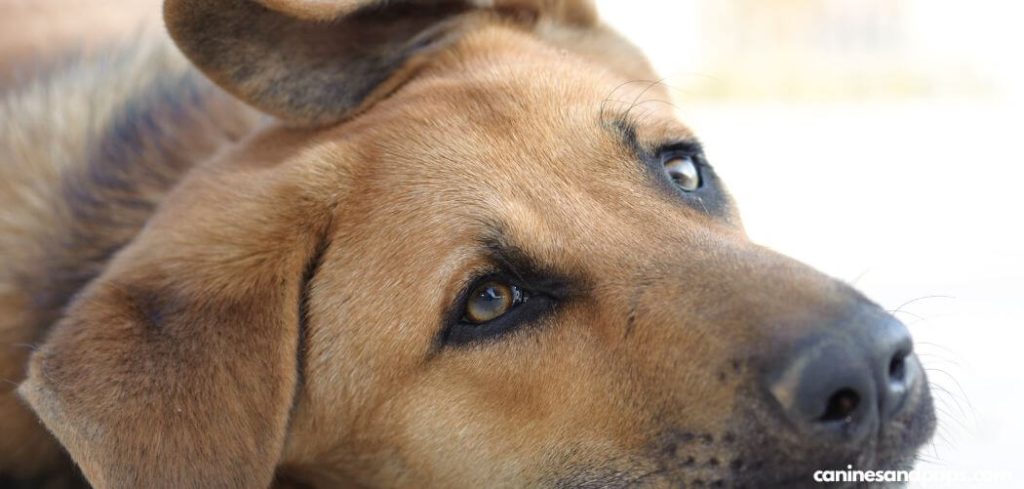
How Does Hot Weather Affect Dogs?
Hot weather can affect dogs by making it harder for them to regulate their body temperature, as they rely mainly on panting rather than sweating to cool down.
High temperatures can lead to excessive panting, dehydration, reduced appetite, lethargy, and decreased exercise tolerance.
Dogs with thick coats, flat faces (such as Pugs and Bulldogs), obesity, heart disease, or advanced age are especially vulnerable to heat-related illness.
In severe cases, prolonged exposure to hot weather can result in heat exhaustion or life-threatening heatstroke, making it important to provide plenty of fresh water, shade, and avoid exercise during the hottest parts of the day.
Read more: Dog Diarrhea in Hot Weather (Why it happens)
Dog Unsettled in Hot Weather: Symptoms
Depending on the underlying cause, your dog may also experience:
Restlessness or pacing
Excessive panting
Seeking cool floors or shaded areas
Increased drooling
Frequent position changes
Reduced appetite
Lethargy after activity
Increased thirst
Dog Unsettled in Hot Weather: Common Causes
Overheating
Many dogs simply become uncomfortable when environmental temperatures rise. As their body temperature increases, they instinctively search for cooler locations, pace around, and struggle to settle.
Dogs may repeatedly move between different rooms, lie on tile floors, or stand near fans and air conditioning vents. Thick-coated breeds, overweight dogs, and senior dogs are especially prone to overheating.
Providing a cool environment and limiting activity during hot weather usually helps relieve mild overheating before it progresses.
Heat Exhaustion
Heat exhaustion develops when a dog’s normal cooling mechanisms are no longer able to maintain a safe body temperature. Restlessness is often one of the earliest signs before more serious symptoms develop.
Affected dogs commonly pant heavily, drool excessively, become weak, and may vomit or develop diarrhea. Without early treatment, heat exhaustion can progress to life-threatening heatstroke.
Immediate veterinary care is needed and may include controlled cooling, intravenous fluids, oxygen therapy, and monitoring for organ damage.
Dehydration
Warm weather increases water loss through panting. If dogs do not drink enough water, mild dehydration can make them feel uncomfortable and restless.
Other signs include dry gums, increased thirst, reduced skin elasticity, and decreased energy. Puppies, senior dogs, and highly active dogs are particularly vulnerable.
Treatment focuses on restoring hydration and addressing any underlying illness contributing to fluid loss.
Heart Disease
Dogs with heart disease often struggle more during hot weather because the heart must work harder to circulate blood while the body attempts to cool itself.
These dogs may become restless, pant excessively, tire easily, cough, or breathe more rapidly than usual. Senior dogs are especially at risk.
Diagnosis may include chest X-rays, echocardiography, blood pressure measurement, and electrocardiography. Treatment depends on the underlying heart condition.
Respiratory Disease
Dogs with chronic bronchitis, collapsing trachea, laryngeal paralysis, or brachycephalic airway syndrome often find hot weather particularly difficult. Increased panting places additional stress on already compromised airways.
Affected dogs may cough, wheeze, breathe noisily, or avoid exercise during warm weather.
Treatment varies depending on the specific respiratory condition and may include medication, weight management, or surgery in selected cases.
Arthritis and Joint Pain
Hot, humid weather can worsen joint discomfort in some senior dogs with arthritis. Pain may make them restless as they repeatedly stand up, lie down, or search for a more comfortable position.
You may also notice stiffness after resting, reluctance to exercise, or difficulty climbing stairs.
Long-term management often includes pain relief, weight management, joint supplements, and physical rehabilitation.
Anxiety
Some dogs become anxious during periods of extreme heat, especially if they are confined indoors for longer than usual or their normal exercise routine is disrupted.
Restlessness may be accompanied by pacing, whining, excessive licking, or difficulty sleeping. Dogs with existing anxiety disorders may show more pronounced symptoms during heatwaves.
Providing mental enrichment and maintaining a consistent routine can help reduce stress.
Heat-Triggered Gastrointestinal Upset
High temperatures may contribute to reduced appetite, mild nausea, or digestive discomfort in some dogs, particularly after vigorous exercise or eating rich foods during hot weather.
Affected dogs may seem unsettled, pant more than usual, and occasionally vomit or develop diarrhea.
Veterinary evaluation is recommended if digestive symptoms persist or worsen.
Dog Unsettled at Night in Hot Weather
A dog may become unsettled at night during hot weather because the heat makes it difficult to cool down and sleep comfortably.
Dogs may pace, pant, change sleeping positions frequently, seek cooler surfaces such as tile floors, drink more water, or wake up repeatedly during warm nights.
Heat can also worsen existing medical conditions such as arthritis, respiratory disease, or heart disease, making nighttime restlessness more noticeable.
Keep your dog comfortable by ensuring good ventilation or air conditioning, providing fresh water, using cooling mats if appropriate, and avoiding vigorous exercise before bedtime.
If your dog remains restless despite a cool environment or develops excessive panting, breathing difficulties, vomiting, or weakness, consult a veterinarian immediately.
Read more: Dog Coughing in Hot Weather (Why it happens)
Dog Unsettled in Hot Weather: What to Do
Move your dog to a cool, shaded, or air-conditioned area as soon as you notice they are becoming restless in hot weather.
Make sure fresh, cool drinking water is always available, and avoid walks or vigorous exercise during the hottest parts of the day.
Early morning and late evening are usually the safest times for outdoor activity.
Offer your dog cool resting areas such as tiled floors, cooling mats, or well-ventilated spaces. Watch for changes in breathing, energy levels, and appetite, as worsening symptoms may indicate heat exhaustion rather than simple discomfort.
Do not use ice-cold water or ice baths to cool an overheated dog, as rapid cooling can cause additional complications.
When to Call or Visit the Vet
A dog that remains restless in hot weather should be evaluated if the behavior persists or is accompanied by other symptoms.
Schedule an appointment if you notice:
Restlessness lasting several hours
Excessive panting that improves slowly
Reduced appetite
Mild lethargy
Increased thirst
Difficulty exercising
Coughing during hot weather
Repeated episodes whenever temperatures rise
Seek emergency veterinary attention immediately if your dog develops:
Difficulty breathing
Collapse or inability to stand
Suspected heatstroke
Continuous excessive panting that does not improve
Bright red, blue, gray, or pale gums
Vomiting or diarrhea with signs of overheating
Seizures
Loss of consciousness
Dog Unsettled in Hot Weather: Treatment
Veterinary assessment includes a physical examination and diagnostic testing. Diagnostic testing may include blood work, chest X-rays, heart evaluation, oxygen assessment, urinalysis, or additional tests depending on the suspected cause.
Treatment may include controlled cooling, intravenous fluids, oxygen therapy, medications for heart or respiratory disease, pain management, or hospitalization for severe heat-related illness.
Recovery and Monitoring
Recovery depends on the underlying cause. Mild overheating often improves within a few hours once your dog is cooled and hydrated, while heat exhaustion, heart disease, or respiratory disorders may require more intensive treatment and ongoing management.
Monitor your dog’s breathing, appetite, water intake, activity level, and ability to settle comfortably during warm weather. Keep your dog indoors during periods of extreme heat, provide plenty of fresh water, and follow all veterinary treatment recommendations.
Key Takeaway
A dog that is unsettled in hot weather commonly experiences overheating, heat exhaustion, dehydration, heart disease, respiratory disease, arthritis, anxiety, or heat-related digestive upset.
While mild restlessness may simply reflect discomfort from the heat, persistent agitation can be an early sign of a more serious problem.
Early veterinary evaluation can identify the underlying cause and help prevent dangerous complications such as heatstroke.
If your dog develops difficulty breathing, collapse, continuous excessive panting, seizures, vomiting, diarrhea, or signs of severe overheating, seek emergency veterinary care immediately.
Early treatment gives your dog the best chance of a full recovery.


