
It can be deeply unsettling to watch your dog pant and pace through the night instead of sleeping peacefully.
These nighttime behaviors can signal anything from mild discomfort to a more serious underlying issue that needs prompt attention.
We outline the common causes of dog panting and pacing at night, what you can do, and when to seek veterinary care.
Table of Contents
Dog Panting and Pacing at Night: Why It Happens
When your dog is panting and pacing during the night, it’s often a sign of physical distress, anxiety, or an undiagnosed medical issue.
These symptoms might stem from pain due to arthritis or gastrointestinal problems, or from heat, side effects of medication, or cognitive dysfunction in older dogs.
Anxiety and stress—especially triggered by noise or separation—can also keep your dog restless after dark.
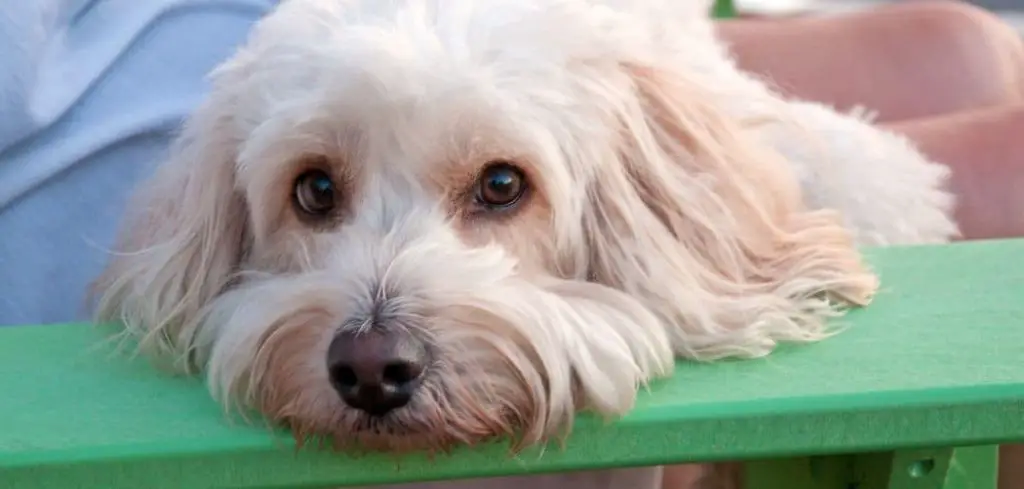
Dog Panting and Pacing at Night: Common Causes
Pain or Discomfort
Chronic conditions like arthritis or recent injuries can cause dogs to become restless at night.
Pain often intensifies when dogs lie down and try to rest. They may get up frequently, pace to alleviate stiffness, or pant due to the discomfort.
Look for other signs like limping, reluctance to jump or climb stairs, or yelping when touched.
Nighttime restlessness due to pain needs a vet’s input to diagnose and manage the underlying cause.
Canine Cognitive Dysfunction (Dog Dementia)
In senior dogs, nighttime pacing and panting may be linked to cognitive decline. Dogs with canine cognitive dysfunction (CCD) may experience disrupted sleep-wake cycles, confusion, and anxiety.
They may wander aimlessly at night, forget where their bed is, or become disoriented.
This condition is progressive but can be managed with medication, supplements, and routine.
Related: Old Dog Syndrome (Signs, causes and treatment)
Anxiety or Noise Phobia
Thunderstorms, fireworks, or household sounds can trigger nighttime anxiety. Anxious dogs may pace, pant, whine, or try to hide. This behavior can worsen if left unaddressed.
Separation anxiety may also be a culprit—dogs can feel isolated at night if not near their owners.
Creating a calm sleep environment and addressing the root of anxiety can help minimize symptoms.
Read more: Dog Panting and Shaking At Night (What it means)
Heat or Poor Sleeping Environment
Dogs may pant at night if the room is too warm or poorly ventilated.
Panting is a primary cooling method for dogs, so if the ambient temperature is high or they’re bundled in heavy bedding, they may struggle to rest comfortably.
This can lead to pacing as they seek a cooler or more comfortable spot.
Cooling mats or a fan can make a significant difference.
Gastrointestinal Upset
Indigestion or bloating can cause panting and restlessness. Dogs that ate too late, consumed something unusual, or are battling chronic GI issues may feel discomfort that surfaces at night.
You might also notice lip licking, gurgling stomach sounds, or attempts to eat grass.
Some GI conditions can be emergencies, so it’s important to monitor accompanying symptoms.
Dog Panting and Pacing All Night
A dog that pants and paces all night is usually trying to cope with discomfort, anxiety, or an underlying medical condition rather than simply being restless.
Common causes include pain from arthritis or injury, gastrointestinal discomfort, heart or lung disease, cognitive dysfunction, anxiety, overheating, or hormonal disorders such as Cushing’s disease.
Some dogs repeatedly walk around, lie down briefly, then get back up because they cannot get comfortable.
Occasional restlessness may occur after an unusually active day or a stressful event, but persistent nighttime panting and pacing should not be considered normal.
If the behavior is accompanied by coughing, vomiting, difficulty breathing, weakness, or continues for several nights, a veterinary examination is needed to identify and treat the underlying cause.
Old Dog Panting and Pacing at Night
Panting and pacing at night are common signs that an older dog is experiencing discomfort or an age-related health problem.
Arthritis and joint pain often become more noticeable after a day of activity, making it difficult for senior dogs to settle comfortably.
Other possible causes include canine cognitive dysfunction (dog dementia), heart disease, respiratory disease, abdominal pain, anxiety, or hormonal conditions.
Some senior dogs also become confused after dark, leading to nighttime wandering and restlessness.
Because older dogs are more susceptible to chronic illnesses, repeated nighttime panting and pacing should be evaluated by a veterinarian.
Early diagnosis and appropriate treatment can help relieve discomfort, improve sleep quality, and enhance your dog’s overall quality of life.
Dog Panting and Pacing at Night: What to Do
Start by checking your dog’s environment—ensure the room is cool, quiet, and safe.
If your dog shows signs of anxiety, consider calming techniques like white noise, pheromone diffusers, or gentle massage. Avoid punishment, as it may increase stress.
Evaluate whether your dog may be in pain. Look for signs during the day too, like limping or stiffness, and consider using orthopedic beds or ramps.
Establish a predictable nighttime routine. Avoid feeding or exercising your dog too late, and ensure they’ve had an opportunity to relieve themselves before bedtime.
Keep a journal to track how often the panting and pacing occurs and whether anything seems to trigger it. This helps your vet identify patterns.
When to Call or Visit Your Vet
Contact your veterinarian promptly if your dog:
Shows additional symptoms like vomiting, diarrhea, or collapse
Has pre-existing health conditions like heart disease or arthritis
Is a senior with possible cognitive decline or chronic pain
Has anxiety that worsens or doesn’t respond to home care
Pants heavily and seems unable to settle for multiple nights in a row
Early veterinary evaluation helps rule out serious conditions and offers better long-term solutions for your dog’s comfort.
Read more: Dog Panting and Shaking (Why it could be serious)
Key Takeaway
Nighttime panting and pacing in dogs isn’t just frustrating—it can be a red flag. Whether it’s due to pain, anxiety, heat, or aging, your dog’s restlessness deserves attention.
By creating a comfortable environment, observing their behavior closely, and partnering with your vet, you can help restore peaceful nights—for both of you.