
Seeing your dog pant and shake during the night can be alarming. These symptoms aren’t just random—they usually indicate discomfort, anxiety, pain, or an underlying health issue that worsens when the world quiets down.
If this happens more than once, it’s worth exploring what’s going on.
We outline the common causes of dog panting and shaking at night, what you can do, and when to seek veterinary care.
Table of Contents
Dog Panting and Shaking at Night: Why It Happens
Dogs may pant and shake at night due to pain, digestive upset, fear, or internal imbalances such as fever or neurological issues.
The stillness of nighttime can amplify discomfort, making symptoms more noticeable. Many dogs also experience increased anxiety in dark or quiet environments.
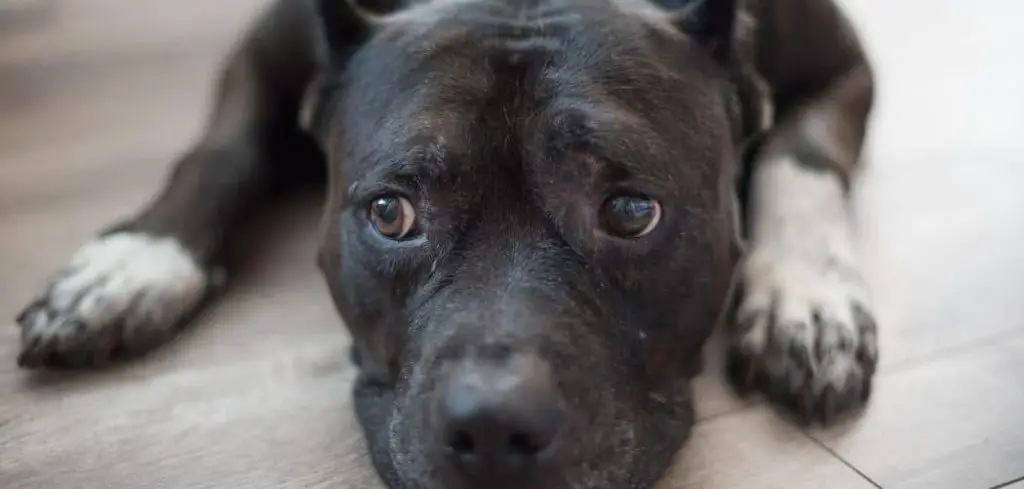
Dog Suddenly Panting and Shaking at Night
A dog that suddenly starts panting and shaking at night may be experiencing pain, anxiety, digestive discomfort, fever, injury, or an underlying medical condition.
Because the symptoms appear suddenly, it is important to consider recent changes such as illness, medication, stress, or possible toxin exposure.
Dogs often show discomfort more noticeably at night when the environment is quiet and distractions are reduced.
If the symptoms are severe, recurrent, or accompanied by vomiting, weakness, or difficulty breathing, veterinary care should be sought immediately.
Dog Panting and Shaking at Night: Common Causes
Pain or Discomfort
Arthritis, joint pain, or undiagnosed injuries can cause nighttime restlessness. As your dog settles in, the pain may worsen due to pressure on affected areas.
Panting often indicates the body’s effort to manage discomfort, while shaking reflects distress or a pain-related stress response.
Older dogs and large breeds are especially prone to arthritis and degenerative joint issues.
If your dog struggles to lie down, shifts positions often, or yelps unexpectedly, pain could be the culprit.
Digestive Upset or Nausea
Dogs experiencing bloating, gas, or nausea may become restless and begin panting or shaking as a response.
Signs of GI upset include licking lips, swallowing excessively, pacing, and attempts to eat grass.
Symptoms may worsen at night if your dog hasn’t eaten in a while or ate something irritating earlier.
Conditions like gastritis or pancreatitis may also cause overnight discomfort.
Read more: Dog Panting and Yawning (What it means)
Anxiety or Nighttime Fears
Many dogs feel more vulnerable at night. Separation anxiety, changes in routine, or loud nighttime sounds (like wind or distant fireworks) can trigger a stress response.
Panting and trembling are classic signs of canine anxiety. Dogs may also pace, hide, or seek your attention more during these episodes.
If your dog is fine during the day but restless at night, emotional distress might be the underlying cause.
Calming aids, a consistent bedtime routine, and a reassuring presence can often help ease nighttime fears.
Fever or Infection
Infections—whether internal or related to the skin, urinary tract, or respiratory system—can cause a dog’s body temperature to rise.
Panting is a natural cooling mechanism, while shaking can reflect chills or body discomfort.
You may also notice lethargy, warm ears, red gums, or changes in appetite.
These signs should never be ignored, as untreated infections can become serious quickly.
Neurological Conditions
Nighttime tremors and panting may be tied to seizures, canine cognitive dysfunction (doggy dementia), or other neurological problems.
Some episodes occur only at night when the dog is less stimulated, and the symptoms are more apparent.
In addition to shaking and panting, look for confusion, loss of balance, or difficulty responding to commands.
Neurological issues often require imaging and ongoing medical management, especially in senior dogs.
Dog Panting and Shaking at Night only
When panting and shaking occur only at night, the cause may be related to nighttime anxiety, cognitive dysfunction, arthritis pain, digestive upset, or environmental factors such as temperature changes and noises.
Some dogs appear normal during the day but become restless and uncomfortable once they settle down for the evening.
Recurring nighttime symptoms should be investigated, especially if they interfere with sleep or are becoming more frequent.
Dog Panting and Shaking Every Night
A dog that pants and shakes every night is likely dealing with an ongoing issue rather than a temporary problem.
Chronic pain, heart disease, hormonal disorders, anxiety, cognitive decline, and gastrointestinal discomfort are common causes.
Repeated nightly episodes suggest that the underlying condition is persistent and affecting the dog’s quality of life.
Veterinary evaluation is needed to identify the cause and provide appropriate treatment.
Dog Panting and Shaking all Night
Panting and shaking throughout the entire night can indicate significant discomfort or illness.
Dogs may behave this way when experiencing severe pain, respiratory problems, abdominal distress, anxiety disorders, or age-related cognitive dysfunction.
Continuous symptoms can lead to poor sleep, exhaustion, and worsening health.
A dog that remains restless, panting, and shaking all night should be examined by a veterinarian as soon as possible.
Dog Panting and Shaking Head at Night
Panting combined with head shaking at night may indicate an ear infection, ear mites, allergies, dental pain, or neurological problems.
Ear conditions are especially common and can cause dogs to shake their heads repeatedly while also appearing restless and uncomfortable.
If the dog is scratching at the ears, has a foul odor from the ears, or continues shaking its head frequently, a veterinary examination is recommended.
Senior Dog Panting and Shaking at Night
In senior dogs, nighttime panting and shaking are often associated with arthritis pain, cognitive dysfunction (canine dementia), heart disease, respiratory disease, or other age-related conditions.
Older dogs may become more restless at night because discomfort and confusion tend to worsen during quiet hours.
Because senior dogs are more likely to have underlying medical conditions, persistent nighttime symptoms should not be dismissed as normal aging.
Dog Panting and Shaking at Night: What to Do
Try to stay calm, as your dog will pick up on your energy.
Offer a comfortable resting spot with orthopedic bedding and minimal noise or light.
Gently check for injuries, bloating, or signs of distress without pressuring your dog to move excessively.
A light snack can sometimes help soothe mild nausea.
Monitor how long the symptoms last, and keep a log to identify patterns—especially if it’s a recurring issue.
Avoid administering any medications unless instructed by a vet.
When to Call or Visit Your Vet
Seek veterinary attention if your dog:
Pants and shakes for more than 30–60 minutes
Refuses to settle or rest
Has vomiting, diarrhea, or bloated abdomen
Shows signs of pain or limping
Appears disoriented, weak, or confused
Sudden or intense symptoms should always be treated as an urgent concern.
Read more: Dog Panting and Not Eating (When to worry)
Key Takeaway
Panting and shaking at night isn’t just a behavioral issue—it’s often a sign your dog is uncomfortable or unwell.
Whether due to pain, fear, digestive issues, or a more serious condition, these signs deserve attention.
Support your dog with a calm environment, take note of patterns, and don’t hesitate to consult your vet if symptoms persist or escalate.


