
If your dog is panting and yawning frequently, it may not just be fatigue or boredom—these combined symptoms can indicate anxiety, pain, or other underlying medical issues.
Paying attention to the context and any accompanying signs is key to understanding what your dog might be trying to communicate.
We outline the common causes of dog panting and yawning, what you can do, and when to seek veterinary care.
Table of Contents
Dog Panting and Yawning: Why It Happens
Dogs pant and yawn when they’re stressed, tired, feeling unwell, or reacting to changes in their internal state or environment. These behaviors often act as a communication signal—your dog may be expressing emotional discomfort, physical pain, or nervousness.
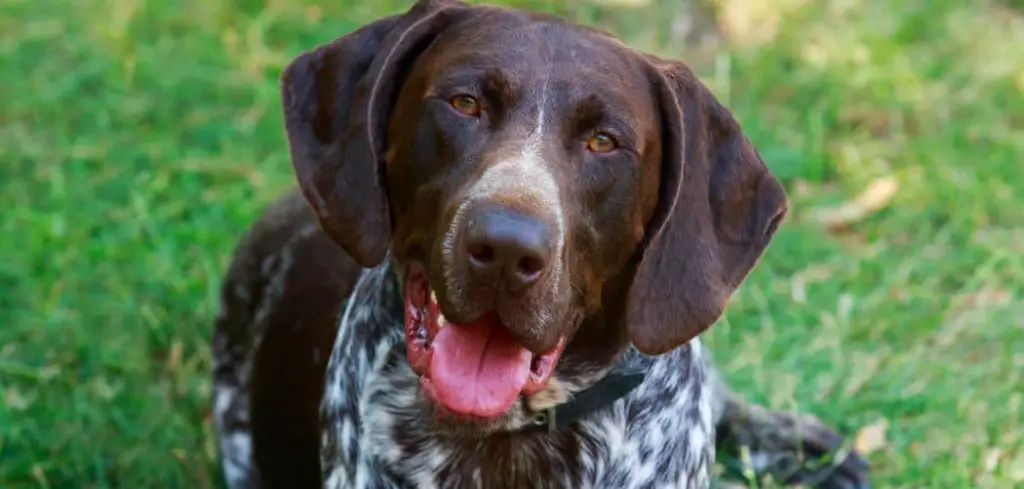
Dog Panting and Yawning for No Reason
Dogs rarely pant and yawn repeatedly without a reason, even if the cause is not immediately obvious.
These behaviors may be triggered by subtle pain, nausea, anxiety, overheating, hormonal disorders, or underlying illnesses affecting the heart, lungs, or nervous system.
Some dogs also yawn repeatedly as a calming signal during stressful situations.
If your dog consistently pants and yawns despite being relaxed, cool, and well-rested, a veterinary evaluation is recommended to rule out hidden medical conditions.
Dog Panting and Yawning a Lot
Excessive panting and frequent yawning often suggest that a dog is under physical or emotional stress.
Common causes include anxiety, pain, overheating, fever, nausea, medication side effects, or underlying heart or respiratory disease.
In some dogs, repeated yawning is a subtle sign of discomfort, while panting may indicate that the body is working harder than normal.
If these behaviors occur regularly or persist even when the dog is resting in a cool environment, they should be evaluated by a veterinarian.
Dog Panting and Yawning: Common Causes
Stress or Anxiety
Frequent yawning is a classic canine stress signal, often seen alongside panting when your dog feels anxious or overstimulated.
Situations like travel, loud noises, visits to the vet, or new people or pets in the home can trigger this behavior.
Other signs of stress may include pacing, trembling, lip licking, or hiding.
Chronic anxiety can also lead to behavior issues or health concerns if left unaddressed.
Supportive measures include calm environments, desensitization training, calming supplements, or veterinary-prescribed anxiety medications if needed.
Overheating or Mild Heat Stress
Panting is your dog’s natural way of cooling down, but if it’s accompanied by yawning, it may indicate fatigue or that they are starting to feel overwhelmed by heat.
Dogs may also lie down frequently, appear restless, or seek cool surfaces to lie on.
Always ensure access to water and shade, and avoid walks during the hottest parts of the day.
If your dog seems distressed or continues panting heavily, heat exhaustion could be developing—seek veterinary attention immediately.
Read more: Dog Panting and Shivering (Pain, fear—or something deeper?)
Fatigue or Drowsiness
Yawning can be a sign of tiredness, especially after a long walk, play session, or late-night excitement. Combined with panting, this might just mean your dog is winding down.
However, excessive yawning and panting outside of activity or bedtime may point to discomfort.
Watch for changes in sleep patterns, reluctance to move, or pacing at night that could suggest a medical issue behind the fatigue.
Nausea or Digestive Upset
Some dogs yawn and pant when feeling nauseous—this is a lesser-known but common symptom of GI discomfort.
It may also be accompanied by lip licking, restlessness, drooling, or attempts to eat grass.
Dietary indiscretions, stomach infections, or inflammatory conditions could be the cause.
If vomiting occurs, or the symptoms last longer than a few hours, consult your vet to rule out more serious problems.
Pain or Discomfort
Dogs may pant and yawn when they’re in pain, especially with chronic issues like arthritis, dental disease, or internal discomfort.
The yawning may be a coping mechanism or a displacement behavior that signals unease.
Look for signs such as limping, changes in posture, reluctance to be touched, or changes in appetite.
Pain should never be ignored, especially in aging dogs or those with pre-existing conditions. A vet can determine the source and offer safe pain relief options.
Dog Randomly Panting and Yawning
A dog that randomly starts panting and yawning may be experiencing stress, anxiety, pain, nausea, or simply trying to cool down after mild activity.
While occasional panting and yawning are normal behaviors, repeated episodes without an obvious trigger can indicate that the dog is uncomfortable or trying to cope with physical or emotional stress.
Some dogs also yawn as a calming signal when they feel uncertain or overwhelmed.
If the episodes become frequent or are accompanied by vomiting, lethargy, coughing, or changes in behavior, a veterinary examination is recommended to determine the underlying cause.
Dog Panting and Yawning at Night
Panting and yawning at night may occur because pain, anxiety, or age-related conditions become more noticeable when the house is quiet.
Dogs with arthritis, cognitive dysfunction, acid reflux, or respiratory disease may struggle to relax and may repeatedly pant, yawn, or change sleeping positions.
Stress from thunderstorms, fireworks, or separation anxiety can also contribute to nighttime episodes.
If nighttime panting and yawning become frequent or interfere with your dog’s sleep, a veterinary examination can help identify any medical or behavioral causes.
Dog Panting, Yawning and Shaking
A dog that is panting, yawning, and shaking at the same time is often experiencing significant stress, pain, fear, or illness.
This combination of symptoms may occur with anxiety, fever, poisoning, gastrointestinal pain, pancreatitis, or other conditions that cause discomfort.
In some cases, shaking may also indicate muscle weakness or neurological problems.
Because these symptoms together can signal a serious medical issue, especially if they develop suddenly or worsen, the dog should be assessed by a veterinarian as soon as possible.
Old Dog Panting and Yawning
Panting and frequent yawning in an older dog are commonly associated with age-related health conditions such as arthritis, chronic pain, heart disease, respiratory disease, cognitive dysfunction, or hormonal disorders.
Senior dogs may also yawn more if they are uncomfortable or having difficulty settling due to pain.
Since older dogs are more likely to develop chronic illnesses, new or worsening panting should not be dismissed as a normal part of aging.
If an older dog is panting and yawning more than usual, particularly while resting or during the night, a veterinary examination is important to identify the underlying cause and improve the dog’s comfort and quality of life.
Dog Panting and Yawning: What to Do
Stay calm and observe when and where the behavior happens. Are there clear triggers like guests, loud noises, or new environments?
Make sure your dog is in a cool, quiet place with access to water and comfort.
Offer gentle reassurance, but avoid reinforcing nervous behavior with excessive fussing.
If you suspect nausea, withhold food for a few hours and monitor for vomiting or diarrhea before offering a bland diet.
Avoid giving any medication unless directed by a veterinarian.
When to Call or Visit Your Vet
Reach out to your vet if your dog:
Pants and yawns excessively without clear reason
Shows other signs like vomiting, diarrhea, or disorientation
Becomes lethargic or unresponsive
Appears to be in pain or has trouble moving
Has pale gums, rapid breathing, or a high heart rate
Timely veterinary care ensures early diagnosis and effective treatment.
Read more: Dog Panting and Licking Lips (What it means)
Key Takeaway
Panting and yawning together often point to more than just a sleepy pup—it could be stress, pain, nausea, or overheating.
Tune in to the context and other clues your dog is giving you, and don’t hesitate to involve your vet if something feels off.
Your dog’s body language is their voice—make sure you’re listening closely.


