
A dog heart attack and sudden death can be frightening and unexpected, particularly when a dog appears healthy shortly before collapsing.
Sudden death refers to an unexpected loss of life that occurs over a short period, sometimes with little or no obvious warning.
Although dogs can experience serious cardiac emergencies, a sudden collapse or death does not necessarily mean the dog had a heart attack.
Understanding what may happen during a sudden cardiac event can help owners recognize warning signs and understand when urgent veterinary attention is needed.
Table of Contents
Dog Heart Attack Sudden Death: Why It Happens
A true heart attack, caused by a blockage of blood flow to the heart muscle, is rare in dogs compared with people. When a dog suddenly collapses and dies from a heart-related problem, it is more often associated with a serious underlying heart condition that causes a dangerous heart rhythm, sudden loss of the heart’s ability to pump blood, or severe heart failure.
These events can occur with little warning, although some dogs may have subtle signs beforehand such as reduced exercise tolerance, coughing, weakness, fainting, or breathing changes.
Sudden cardiac death can be particularly difficult for owners because a dog may appear relatively normal until a critical event occurs.
A definitive explanation usually requires a veterinary examination and, when sudden death occurs, sometimes a necropsy to determine whether heart disease or another condition was responsible.
Can Dogs Have Heart Attacks?
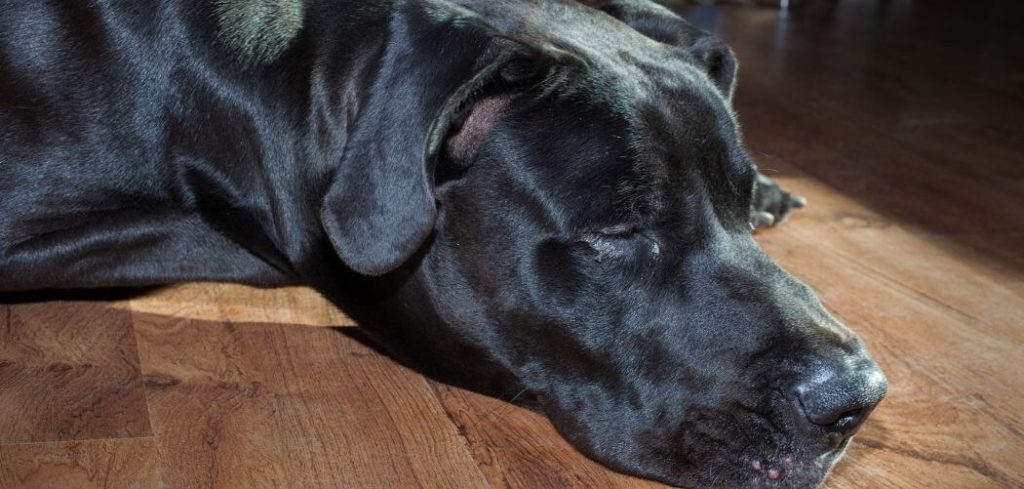
Yes, but true heart attacks are uncommon in dogs. A heart attack, technically called a myocardial infarction, occurs when blood supply to part of the heart muscle becomes blocked.
Dogs do not commonly develop the type of coronary artery disease that causes most human heart attacks.
When people describe a dog as having had a “heart attack,” they may actually be referring to sudden cardiac death, heart failure, fainting, or a dangerous abnormal heart rhythm.
This distinction is important because the underlying cause affects both treatment and the likelihood of sudden death.
Can a Dog Have a Heart Attack and Suddenly Die Without Warning?
Yes, sudden cardiac death can occur without an obvious warning period.
Some dangerous arrhythmias may not produce noticeable symptoms before they cause a catastrophic loss of cardiac function. Certain ventricular arrhythmias may go undetected, with sudden death becoming the first observed clinical sign.
This can be particularly difficult for owners because a dog may have seemed normal earlier that day.
However, sudden death does not automatically mean that a heart attack occurred. A veterinarian would need to consider other potential causes.
What Can Cause Sudden Cardiac Death in Dogs?
Dangerous Abnormal Heart Rhythms
A severe arrhythmia can prevent the heart from pumping enough blood to the brain and other organs.
Ventricular tachycardia can sometimes progress to ventricular fibrillation, in which the heart’s lower chambers lose their coordinated pumping action.
This can cause collapse and sudden death. In some dogs, the first noticeable sign of a serious ventricular arrhythmia may be sudden death.
This is one reason a dog can appear relatively normal and then suddenly collapse.
Cardiomyopathy
Cardiomyopathy refers to disease affecting the heart muscle. Dilated cardiomyopathy, for example, can cause weakness, fainting, difficulty breathing, coughing, and fluid accumulation.
Certain dogs with cardiomyopathy are at risk of serious arrhythmias and sudden death.
Doberman Pinschers, Boxers, and some other breeds have particular inherited or breed-associated risks for cardiac disease.
Congestive Heart Failure
Congestive heart failure occurs when the heart can no longer circulate blood effectively enough to meet the body’s needs.
Dogs may develop coughing, rapid or difficult breathing, reduced stamina, weakness, or fainting. Severe heart failure can eventually result in collapse or death.
In some older dogs, heart disease may remain relatively subtle until it becomes significantly worse.
Related: Dog hacking cough and congestive heart failure (What it means)
Degenerative Valve Disease
Degenerative valve disease is particularly common in older, small-breed dogs. Damaged valves can allow blood to flow backward through the heart, gradually increasing the workload on the heart.
Some dogs remain stable for years, while others eventually develop congestive heart failure. Arrhythmias and fainting can also occur in affected dogs.
Blood Clots
Blood clots can interfere with blood flow through the heart, lungs, or other organs.
A clot affecting the lungs can cause sudden breathing difficulty, rapid breathing, weakness, and potentially collapse. Some dogs may appear normal until respiratory distress develops suddenly.
Pericardial Effusion
Pericardial effusion occurs when fluid accumulates inside the sac surrounding the heart. The pressure can interfere with the heart’s ability to fill and pump properly.
Dogs may develop weakness, collapse, difficulty breathing, or other signs of poor circulation. In some cases, this is associated with inflammation or cancer.
Severe Shock
Shock can occur when the cardiovascular system cannot deliver enough blood and oxygen to the body’s tissues.
Severe blood loss, infection, allergic reactions, heatstroke, trauma, and other critical illnesses can cause shock.
A dog may become weak, develop pale gums, breathe rapidly, collapse, and eventually suffer organ failure if the underlying problem is not treated.
Related: Old dog behavior before death (Common Signs)
Dog Heart Attack and Sudden Death: Warning Signs
Not every dog shows warning signs before sudden cardiac death. However, dogs with significant heart disease may develop symptoms such as:
Weakness or unusual tiredness
Fainting or collapse
Difficulty breathing
Persistent coughing
Reduced exercise tolerance
Rapid breathing while resting
Abdominal swelling from fluid accumulation
Episodes of unusual weakness
Pale or bluish gums
Some arrhythmias can cause only brief episodes of fainting before the dog returns to normal, while others can progress to sudden death.
What to Do If Your Dog Is Still Alive
If your dog suddenly collapses, becomes unconscious, has severe difficulty breathing, or shows other signs of cardiovascular distress, seek emergency veterinary care immediately.
Keep your dog calm and minimize unnecessary movement while arranging transportation. Do not encourage them to walk around after a collapse.
If the dog is unconscious or not breathing normally, contact an emergency veterinary service immediately and follow its instructions. Veterinary teams prioritize airway, breathing, and circulation during these emergencies.
Do not give food, water, or medication to a severely distressed or unconscious dog unless a veterinarian specifically instructs you to do so.
When Is Sudden Collapse a Veterinary Emergency?
Sudden collapse should always be taken seriously. Veterinary emergency guidance identifies collapse, loss of consciousness, difficulty breathing, abnormal heart rhythms, severe weakness, and seizures among problems requiring immediate assessment.
Seek emergency veterinary care if your dog has:
Sudden collapse
Difficulty breathing
Loss of consciousness
Pale, white, gray, or blue gums
Repeated fainting
Severe weakness
A very rapid or abnormal heartbeat
Sudden inability to stand
Severe respiratory distress
Even if the dog recovers after a brief collapse, the underlying cause may still be serious.
Dog Heart Attack and Sudden Death: Diagnosis
If a dog survives a suspected cardiac emergency, the veterinarian will first stabilize the dog and then investigate the underlying cause.
Testing may include a physical examination, blood tests, blood pressure measurement, ECG, chest X-rays, echocardiography, and sometimes advanced imaging. An ECG can help identify abnormal heart rhythms, while an echocardiogram can evaluate heart muscle and valve function.
A cardiac troponin test may also help identify heart muscle injury, although it cannot by itself establish the exact reason for that injury.
Dog Heart Attack and Sudden Death: Treatment
Veterinary treatment for a dog experiencing a suspected cardiac emergency depends on whether an abnormal heart rhythm, heart failure, cardiomyopathy, blood clot, pericardial disease, or another cardiovascular problem is responsible. The veterinarian will first stabilize breathing and circulation and may perform an ECG, blood tests, chest X-rays, echocardiography, blood pressure measurement, or other diagnostic testing. Treatment can include oxygen therapy, medications to control dangerous arrhythmias, medications to support heart function, treatment for congestive heart failure, removal of fluid surrounding the heart when appropriate, or other emergency interventions based on the underlying cause. Dogs with serious arrhythmias or heart failure may require hospitalization and continuous cardiac monitoring, and some dogs may need longer-term medication or specialized cardiac treatment. (American Kennel Club)
If Your Dog Has Already Died Suddenly
If your dog has already died suddenly and you suspect a heart attack, it is important to know that the cause may not have been a heart attack at all.
Sudden cardiac death can result from dangerous arrhythmias, cardiomyopathy, severe heart disease, blood clots, pericardial disease, or other cardiovascular conditions.
Without an examination, it may be impossible to distinguish between these conditions based solely on what happened immediately before death.
If determining the cause is important to you, speak with your veterinarian about whether a post-mortem examination, or necropsy, could provide additional information.
Could a Dog Have Seemed Normal Before Sudden Cardiac Death?
Unfortunately, yes. Some heart conditions can remain relatively subtle, particularly when a dog is resting. Signs such as reduced stamina, occasional coughing, fainting, or faster breathing may be overlooked or attributed to aging.
Some dangerous arrhythmias may produce few recognizable signs before a sudden event.
This means that an owner may not always have had a clear indication that a serious cardiac problem was present.
Understanding a Dog’s Sudden Death
If your dog died suddenly, it is natural to replay the events and wonder whether you missed something.
A sudden death caused by an undiagnosed cardiac problem does not necessarily mean there was an obvious warning that you should have recognized. Some cardiac disorders can be difficult to detect without veterinary examination and specialized testing.
If your dog had previously been diagnosed with heart disease, your veterinarian may be able to explain how the final event fits with the known condition.
Key Takeaway
True heart attacks are rare in dogs, even though dogs can experience sudden cardiac death. Dangerous arrhythmias, cardiomyopathy, heart failure, blood clots, pericardial disease, and other cardiovascular conditions can cause sudden collapse or death.
If your dog is currently showing signs such as collapse, severe breathing difficulty, loss of consciousness, or profound weakness, seek emergency veterinary care immediately.
If your dog has already died suddenly, a heart attack cannot be confirmed from the circumstances alone; a veterinarian can help determine what may have happened and whether further examination could identify the cause.


