
When an old dog’s back legs begin collapsing along with loss of bladder or bowel control, it can signal a significant change in mobility and overall health.
These symptoms can sometimes develop gradually, but a sudden or noticeable worsening should not be ignored, particularly when your dog is struggling to stand, walk, or control elimination.
Seeing both problems at the same time can be especially concerning.
We explain what these changes may indicate, what you can do to keep your dog comfortable and safe at home, and when veterinary assessment is important.
Table of Contents
Old Dog Back Legs Collapsing and Incontinence: Why It Happens
An old dog with back legs collapsing and incontinence may have degenerative myelopathy, intervertebral disc disease, lumbosacral disease, spinal cord compression, a spinal tumor, severe arthritis, or another neurological condition.
Some dogs also develop difficulty standing, dragging their back feet, changes in tail movement, pain, or worsening weakness.
Although arthritis can cause severe hind-leg weakness, arthritis alone does not usually explain new urinary or fecal incontinence, so these symptoms deserve veterinary investigation.
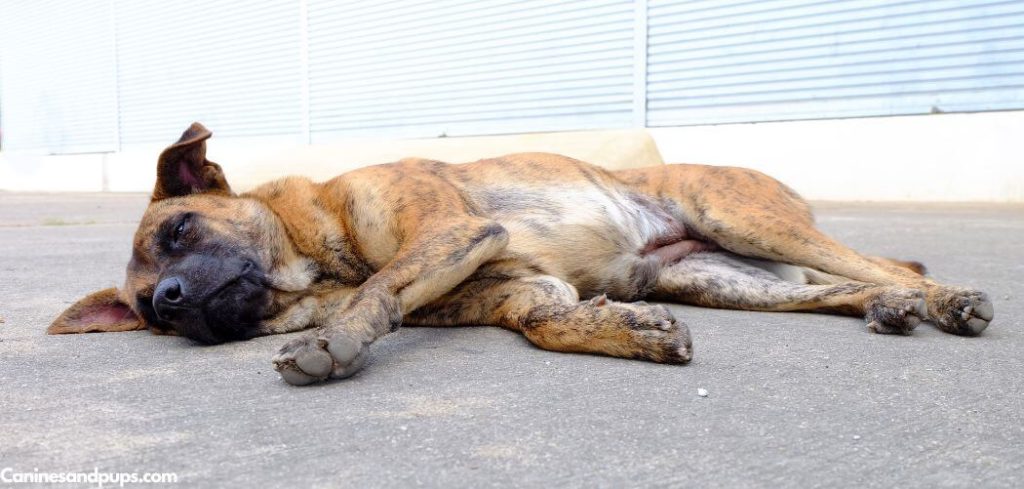
Old Dog Back Legs Collapsing and Incontinence: Symptoms
Depending on the underlying cause, a dog may also experience:
Hind-leg weakness or collapse
Difficulty standing
Wobbling or an unsteady gait
Dragging or scuffing the back feet
Urinary accidents
Loss of bowel control
Tail weakness
Pain or stiffness
Old Dog Back Legs Collapsing and Incontinence: Common Causes
Degenerative Myelopathy
Degenerative myelopathy is a progressive neurological disease that can affect older dogs and gradually damage the spinal cord.
Early signs commonly involve weakness and poor coordination in the hind legs.
Your dog may stumble, cross their back feet, drag their toes, or have difficulty getting up. As the disease progresses, they may eventually lose the ability to support themselves properly.
Bladder and bowel control can also become affected in advanced stages. There is no simple cure for degenerative myelopathy, but rehabilitation, mobility support, and veterinary management may help maintain quality of life.
Read more: Old Dogs Suddenly Can’t Use Back Legs (Here’s why)
Intervertebral Disc Disease
Intervertebral disc disease occurs when a spinal disc degenerates or puts pressure on the spinal cord. Depending on where the problem occurs, a dog can develop sudden or progressive hind-leg weakness.
Some dogs show obvious back pain, while others mainly appear wobbly or unable to stand. Severe spinal cord compression can interfere with bladder and bowel control.
Sudden weakness accompanied by incontinence requires prompt veterinary assessment because severe compression may require urgent treatment.
Lumbosacral Disease
Lumbosacral disease affects the area where the lower spine meets the pelvis. It can compress nerves responsible for movement of the hind legs and control of the bladder, bowel, and tail.
Older dogs may develop difficulty standing, weakness in the back legs, pain when the lower back is touched, or reluctance to jump and climb stairs.
Some dogs eventually develop urinary or fecal accidents because the affected nerves no longer function normally.
Spinal Cord Compression or Tumor
A tumor or other mass affecting the spine can gradually compress the spinal cord and cause worsening hind-leg weakness.
The first signs may be subtle, such as stumbling or difficulty getting up. As compression increases, the dog may lose coordination, develop paralysis, or lose control of urination and defecation.
Treatment depends on the location and type of mass and may involve surgery, medication, radiation therapy, or palliative care.
Severe Arthritis and Mobility Loss
Advanced arthritis can make an old dog’s back legs appear to collapse because painful joints and weakened muscles cannot adequately support the body.
Dogs may struggle to rise, walk stiffly, or repeatedly sit down while walking. However, arthritis by itself does not typically cause true urinary or fecal incontinence.
If an arthritic dog suddenly begins having accidents, another neurological, urinary, or gastrointestinal problem should be considered.
Hip Disease
Severe hip dysplasia and chronic hip arthritis can cause significant hind-leg weakness and difficulty walking in older dogs.
Your dog may have trouble climbing stairs, jumping, standing up, or walking for long periods. They may also shift their weight away from the painful hips.
Hip disease can explain mobility problems but does not usually explain new loss of bladder or bowel control, making additional investigation important when both symptoms occur.
Neurological Disease
Other neurological disorders affecting the brain, spinal cord, or peripheral nerves can interfere with hind-leg movement and normal elimination.
Depending on the location of the problem, dogs may develop weakness, circling, altered reflexes, changes in sensation, abnormal tail movement, or difficulty controlling urination.
A neurological examination helps your veterinarian determine where the problem may be located and which diagnostic tests are appropriate.
Severe Weakness From Systemic Disease
Certain systemic illnesses can cause profound weakness that makes an old dog’s legs give way. Kidney disease, liver disease, anemia, electrolyte abnormalities, and other metabolic problems can all reduce strength.
However, these conditions do not typically cause true urinary or fecal incontinence by themselves.
When weakness and incontinence occur together, neurological or spinal disease needs particular consideration.
Read more: Old Dog Front Legs Collapsing (Causes and treatment)
What to Do If Your Old Dog’s Back Legs Are Collapsing and They Have Incontinence
Arrange a veterinary examination as soon as possible, especially if the weakness or incontinence is new or worsening. Until your dog is examined, keep them on non-slip flooring and prevent access to stairs or slippery surfaces.
Place food and water close to their resting area so they do not have to walk far. If your dog needs assistance standing, use a properly fitted mobility harness or other support recommended by your veterinarian rather than pulling on the neck or legs.
Keep your dog clean and dry after urinary or fecal accidents. Frequent gentle cleaning can help prevent skin irritation and sores.
Avoid strenuous walks or activities until the cause of the weakness has been determined, and do not give human pain medications.
When to Call or Visit Your Vet
An old dog with collapsing back legs and new incontinence should receive veterinary attention rather than being assumed to be experiencing normal aging.
Schedule an appointment immediately if you notice:
Progressive hind-leg weakness
Repeated collapsing
New urinary accidents
New fecal accidents
Difficulty standing
Dragging the back feet
Tail weakness
Increasing stiffness or pain
Seek emergency veterinary attention immediately if your dog develops:
Sudden inability to stand or walk
Rapidly worsening weakness
Complete loss of bladder or bowel control
Severe or sudden back pain
Paralysis
Loss of consciousness
Difficulty breathing
Collapse after an injury or fall
Old Dog Back Legs Collapsing and Incontinence: Treatment
Veterinary treatment for an old dog with collapsing back legs and incontinence depends on the severity of the neurological or orthopedic problem and the underlying cause.
Treatment can include pain relief, anti-inflammatory medication, bladder management, physical rehabilitation, mobility support, and treatment of underlying diseases.
Dogs with severe spinal cord compression may require urgent surgery, while progressive conditions such as degenerative myelopathy may require long-term supportive care and monitoring.
Severe neurological weakness may require hospitalization and close observation if the dog cannot urinate normally, cannot stand, or develops rapidly worsening neurological signs.
Recovery and Monitoring
Recovery depends heavily on the underlying cause. Dogs with arthritis or certain treatable spinal conditions may regain significant mobility with appropriate treatment, while progressive neurological diseases may continue to worsen over time.
Monitor your dog’s ability to stand, walk, urinate, and defecate. Keep their sleeping area clean and dry, provide non-slip flooring, and use mobility support when recommended by your veterinarian.
If your dog’s back-leg weakness or incontinence is getting worse, contact your veterinarian rather than waiting for the symptoms to resolve on their own.
Key Takeaway
Old dog back legs collapsing and incontinence can be caused by degenerative myelopathy, intervertebral disc disease, lumbosacral disease, spinal cord compression, neurological disorders, or severe mobility problems.
While arthritis and age-related muscle loss can weaken an older dog’s legs, new incontinence alongside hind-leg collapse warrants veterinary attention.
A veterinary examination can help determine whether the problem originates in the joints, spine, nerves, or another part of the body.
If your dog suddenly cannot stand, develops paralysis, experiences severe back pain, or rapidly loses bladder or bowel control, seek emergency veterinary care immediately.


