
When a dog becomes unresponsive or appears to be in a coma before death, it can be an extremely distressing experience for an owner. A severely unresponsive dog may have a serious problem affecting the brain, circulation, oxygen supply, metabolism, or other vital organs.
Although coma can occur during the final stages of some illnesses, an unresponsive dog should be treated as an emergency while they are still alive, because some causes may be treatable.
Table of Contents
What Does a Coma in a Dog Mean?
A coma is a profound state of unconsciousness in which a dog cannot be awakened normally and does not respond appropriately to its surroundings. It is different from ordinary sleep because a sleeping dog can usually be awakened by appropriate stimulation.
Coma occurs when normal brain function is severely disrupted. The problem may originate directly in the brain or may occur because the brain is not receiving enough oxygen, blood, glucose, or other substances needed to function normally.
A comatose dog may remain still, have abnormal breathing, or show little response to sound or touch. Some reflexes may remain while others are reduced or absent, depending on the cause and severity.
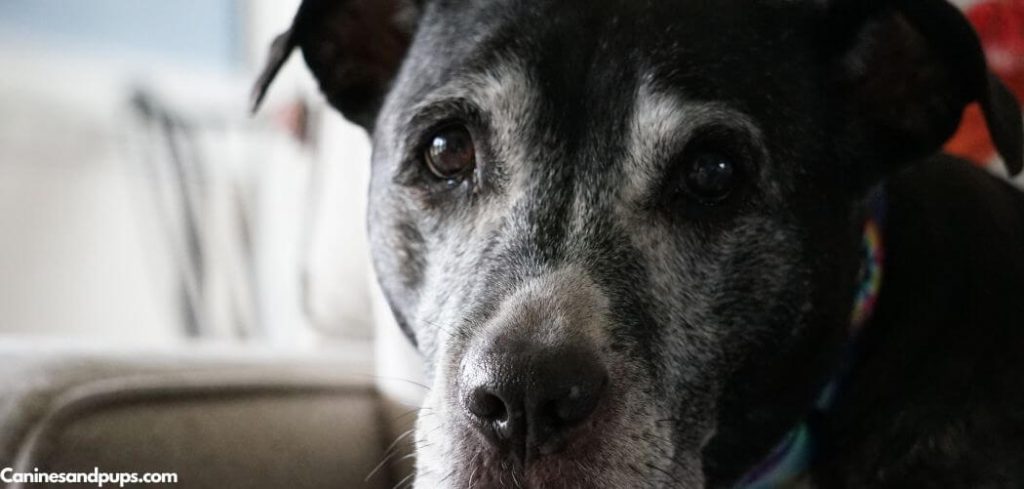
Dog Coma Before Death: Why It Can Happen
A dog may enter a coma before death when severe disease or injury causes the brain to lose the ability to maintain normal consciousness. This can happen because of direct brain damage, inadequate oxygen or blood flow, severe metabolic abnormalities, toxins, or failure of other organs.
Coma does not automatically mean that death is inevitable. Some causes can be treated if veterinary intervention begins quickly. However, a prolonged coma associated with severe organ failure or irreversible brain damage can occur during the final stages of life.
Common Causes of Dog Coma Before Death
Severe Oxygen Deprivation
The brain requires a continuous supply of oxygen. If oxygen levels become critically low, consciousness can be lost.
Severe respiratory disease, airway obstruction, drowning, serious heart problems, or prolonged breathing difficulties can prevent enough oxygen from reaching the brain.
A dog may first show rapid or difficult breathing, weakness, blue or abnormally colored gums, or collapse before becoming unconscious.
Severe oxygen deprivation is a medical emergency because prolonged lack of oxygen can cause irreversible brain injury.
Related: Old dog behavior before death (Common Signs)
Severe Low Blood Sugar
Very low blood glucose can interfere with normal brain function and cause weakness, confusion, seizures, unconsciousness, and potentially coma.
Low blood sugar can occur with certain diseases, medications, prolonged inability to eat, or other metabolic problems.
Because the brain depends heavily on glucose, severe hypoglycemia requires rapid veterinary treatment.
Liver Failure
The liver helps remove toxins and waste products from the bloodstream. When severe liver dysfunction prevents this process from occurring normally, substances can accumulate and affect brain function.
A condition called hepatic encephalopathy can cause confusion, unusual behavior, weakness, seizures, reduced awareness, and eventually severe unconsciousness in advanced cases.
Dogs with serious liver disease may also have poor appetite, vomiting, weight loss, jaundice, or changes in behavior.
Kidney Failure
Advanced kidney failure can cause significant metabolic abnormalities and accumulation of waste products in the bloodstream.
As the condition becomes severe, dogs may become extremely weak, lethargic, confused, or unresponsive. Vomiting, dehydration, appetite loss, and changes in urination may also occur.
Severe kidney dysfunction can affect multiple organs and may require intensive veterinary treatment.
Brain Disease or Brain Tumor
Conditions directly affecting the brain can interfere with consciousness.
Brain tumors, inflammation, bleeding, infections, or other neurological disorders may cause seizures, changes in behavior, difficulty walking, abnormal movements, or progressive loss of awareness.
A dog with severe neurological disease may eventually become unresponsive if brain function is significantly compromised.
Head Trauma
A serious head injury can damage the brain and cause swelling or bleeding inside the skull.
Dogs may lose consciousness immediately or become increasingly unresponsive after an injury. Other signs can include abnormal pupil responses, seizures, difficulty walking, or changes in breathing.
Any dog that becomes unconscious after trauma needs immediate emergency veterinary assessment.
Poisoning
Some toxins can severely affect the brain, heart, liver, kidneys, or respiratory system.
Depending on the substance, a poisoned dog may develop vomiting, drooling, tremors, seizures, abnormal breathing, weakness, collapse, and loss of consciousness.
If poisoning is suspected, emergency veterinary care is essential. Do not induce vomiting or give home remedies unless a veterinarian specifically instructs you to do so.
Shock and Severe Circulatory Failure
Shock occurs when the body’s tissues do not receive adequate blood flow and oxygen.
Severe blood loss, internal bleeding, heart failure, severe infection, allergic reactions, or other critical conditions can cause shock.
A dog may initially become weak, have pale gums, breathe rapidly, or collapse before becoming unresponsive.
Without rapid treatment, shock can progress to multiple organ failure and death.
Severe Seizures
A prolonged seizure or repeated seizures without adequate recovery between episodes can severely disrupt normal brain function.
After a serious seizure episode, a dog may remain deeply unconscious or have significantly reduced awareness.
Seizures that continue for an extended period or repeatedly occur without recovery are emergencies requiring immediate veterinary treatment.
Advanced Multi-Organ Failure
When several major organs begin failing simultaneously, the body may no longer be able to maintain normal circulation, oxygenation, metabolism, and brain function.
Dogs approaching the final stages of severe disease may become extremely weak, stop eating and drinking, become less responsive, and eventually lose consciousness.
In these circumstances, coma may occur as part of the final stages of a serious illness, although the exact cause can only be determined through veterinary assessment.
Is a Dog in a Coma Dying?
A coma can occur near the end of life, but coma does not necessarily mean that a dog is about to die.
Some dogs become unconscious because of a potentially reversible problem, such as very low blood sugar, certain toxins, or an acute metabolic abnormality. Others may become comatose because of irreversible brain damage or advanced organ failure.
The underlying cause, severity, duration of unconsciousness, neurological responses, and the dog’s overall medical condition all influence the outlook.
Only a veterinarian can assess whether recovery is possible.
Related: Dog vomited before death (Understanding why it happened)
Signs a Dog May Be Critically Ill Before Becoming Unresponsive
Some dogs show significant deterioration before becoming unconscious. Possible warning signs include:
Extreme weakness
Loss of appetite
Repeated vomiting
Difficulty breathing
Collapse
Seizures
Pale or abnormal-colored gums
Severe dehydration
Confusion or disorientation
Loss of normal responsiveness
These symptoms do not necessarily mean a dog is dying, but several occurring together indicate a potentially life-threatening medical emergency.
What to Do If Your Dog Is Unresponsive
If your dog is currently unconscious or cannot be awakened normally, contact an emergency veterinarian immediately.
Do not assume the dog is sleeping or simply approaching the end of life. Place them somewhere safe and minimize unnecessary movement, particularly if trauma may have occurred.
Do not force food, water, or medication into the mouth of an unconscious dog because they may be unable to swallow normally.
If possible, tell the veterinary team when the unresponsiveness began and describe anything that happened beforehand, such as vomiting, seizures, trauma, toxin exposure, breathing difficulty, or collapse.
If your dog is not breathing normally or you cannot detect signs of circulation, follow the emergency veterinary team’s instructions regarding immediate first aid.
What Happens at the Veterinary Hospital?
A veterinarian will first determine whether the dog is breathing adequately and whether the heart and circulation are functioning properly.
The team may assess oxygen levels, blood pressure, temperature, neurological responses, blood glucose, and other vital parameters.
Blood tests may be used to identify problems involving glucose, electrolytes, kidney function, liver function, blood loss, or infection.
Depending on the circumstances, imaging such as X-rays, ultrasound, CT, or MRI may also be considered.
Treatment focuses on correcting the cause and supporting vital organs. A dog may require oxygen, intravenous fluids, glucose supplementation, medications to control seizures, treatment for poisoning, blood products, surgery, or other intensive interventions.
Dog Coma Before Death: Treatment
Veterinary treatment for a dog in a coma depends on the underlying cause, the severity of brain dysfunction, and whether the condition is potentially reversible.
The veterinarian assesses breathing, circulation, oxygen levels, blood pressure, temperature, blood glucose, neurological responses, and organ function, and may perform blood tests, urinalysis, imaging, ECG, or other diagnostic tests.
Treatment can include oxygen therapy, intravenous fluids, glucose supplementation, medications to control seizures or brain swelling, antidotes for certain toxins, blood products, or emergency surgery when appropriate.
Dogs with severe neurological disease, poisoning, shock, organ failure, or other critical conditions may require intensive hospitalization and continuous monitoring because the brain and other vital organs can be permanently damaged when oxygen or blood flow is inadequate.
When Coma Occurs During the Final Stage of Life
In some dogs with advanced terminal disease, consciousness gradually decreases as the body’s organs stop functioning normally.
The dog may sleep for increasingly long periods, become difficult to wake, stop eating or drinking, become too weak to stand, and eventually become unresponsive. Breathing may also change as the body becomes less able to regulate normal functions.
However, these signs can also occur with treatable emergencies. An owner should not assume that a dog is naturally dying simply because they have become extremely sleepy or unresponsive.
If the dog is still alive, a veterinarian can determine whether emergency treatment may help or whether the focus should shift toward comfort and end-of-life care.
If Your Dog Has Already Died After Becoming Comatose
If your dog has already passed away after becoming unconscious, the coma itself does not necessarily identify the cause of death.
The underlying problem may have involved the brain, heart, lungs, liver, kidneys, blood circulation, metabolism, poisoning, or multiple organ systems.
If understanding the cause of death is important, speak with your veterinarian about the dog’s medical history and the sequence of symptoms. A post-mortem examination, sometimes called a necropsy, may provide additional information in appropriate circumstances.
Key Takeaway
A dog becoming comatose before death can occur because of severe oxygen deprivation, brain disease, poisoning, very low blood sugar, liver or kidney failure, shock, seizures, trauma, or advanced multi-organ disease.
Coma does not always mean that death is inevitable, because some causes may be reversible when treated quickly.
If your dog is currently unconscious or cannot be awakened normally, treat the situation as an emergency and contact a veterinarian immediately.
Do not give food, water, or medication to an unconscious dog unless specifically instructed by a veterinary professional.
For dogs with advanced terminal disease, unconsciousness can sometimes occur during the final stage of life.
A veterinarian can help determine whether emergency treatment may offer a realistic chance of recovery or whether the priority should be keeping the dog comfortable and minimizing distress.


