
If your dog has vestibular disease and suddenly stops eating, it can be very concerning, in addition to loss of balance, head tilt, stumbling, and unusual eye movements.
When a dog also refuses food, it often raises fears that the condition is becoming worse or that another serious problem is present.
Understanding the connection between vestibular disease and loss of appetite can help support a dog’s recovery and recognize signs that require further medical evaluation.
Table of Contents
Dog Not Eating With Vestibular Disease: Why It Happens
Vestibular disease affects the balance system located within the inner ear and brain. When this system becomes disrupted, dogs often experience symptoms similar to severe motion sickness.
A dog with vestibular disease not eating may happen because dizziness, nausea, stress, inner ear infections, medications, dehydration, or underlying neurological conditions can make eating difficult or unpleasant.
Loss of appetite is a common symptom in dogs with vestibular disease. In many cases, the same dizziness and nausea that cause balance problems can also make a dog feel too sick to eat.
Many dogs feel disoriented and uncomfortable during the first few days of vestibular disease. As the dizziness improves, appetite often gradually returns.
However, because appetite loss can lead to dehydration and delayed recovery, it is important to know when veterinary attention is needed.
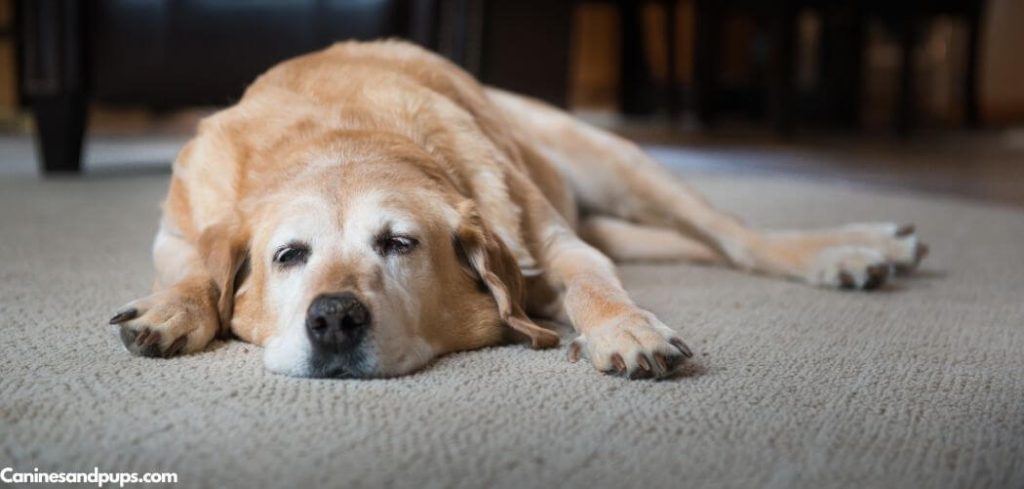
Symptoms may include:
Loss of appetite
Head tilt
Walking in circles
Stumbling or falling
Rapid eye movements (nystagmus)
Nausea
Vomiting
Lethargy
Dog Not Eating With Vestibular Disease: Common Causes
Nausea Caused by Dizziness
The most common reason dogs stop eating during vestibular disease is nausea.
The vestibular system helps control balance and orientation. When it becomes disrupted, many dogs experience a sensation similar to severe motion sickness. Just as people often lose their appetite when they feel dizzy, dogs may refuse food because eating worsens their nausea.
Some dogs approach their food bowl but walk away without eating. Others sniff food and seem interested but cannot bring themselves to take a bite. In severe cases, dogs may refuse both food and water.
Additional signs of nausea often include lip licking, drooling, swallowing repeatedly, and occasional vomiting.
Fortunately, as vestibular symptoms improve, nausea often decreases and appetite gradually returns. Anti-nausea medications prescribed by a veterinarian can sometimes help speed recovery and improve comfort.
Read more: Dog Vestibular Disease and not drinking (Why it happens)
Difficulty Reaching the Food Bowl
Dogs with vestibular disease may have trouble physically accessing their food.
Severe dizziness and loss of balance can make it difficult to lower the head toward a food bowl without feeling worse. Some dogs become unstable when bending down and may avoid eating because the position increases their discomfort.
Dogs that are stumbling or falling may also lack confidence when moving around the house. Reaching the food bowl can become a challenge if walking itself feels difficult.
Improvement is often noticed when food and water are elevated slightly or brought directly to a dog. Hand-feeding may also encourage eating during the recovery period.
In many cases, the dog wants to eat but struggles because of the balance issues associated with the condition.
Stress and Anxiety
Vestibular disease often develops suddenly, and the experience can be frightening for dogs.
A dog that suddenly loses balance, develops a head tilt, and struggles to walk may become stressed and anxious. Many dogs appear confused about what is happening to them.
Stress can significantly reduce appetite. Even dogs that normally love food may lose interest while they are coping with dizziness and disorientation.
Some dogs hide, sleep more than usual, or avoid interaction during the initial stages of the disease. Their appetite often improves as they become more comfortable and begin adapting to their altered balance.
Providing a quiet, calm environment can help reduce stress and encourage recovery.
Inner Ear Infections
Not all vestibular disease is idiopathic. In some cases, the condition develops because of a severe inner ear infection.
Inner ear infections affect the balance structures located deep within the ear. In addition to causing dizziness and head tilting, these infections can make dogs feel generally unwell.
Pain and inflammation often contribute to appetite loss. Some dogs also develop fever, lethargy, ear discharge, head shaking, or sensitivity around the ears.
Because the infection itself contributes to the dog’s discomfort, appetite may not fully return until the underlying infection is treated.
Veterinary treatment often includes antibiotics, anti-inflammatory medications, and supportive care.
Read more: Old Dog Vestibular Disease (Signs, causes and treatment)
Medication Side Effects
Some medications used during treatment can affect appetite.
Drugs prescribed to control nausea, dizziness, infections, or inflammation may occasionally cause digestive upset or temporary appetite changes. Although many dogs tolerate medications well, some become less interested in food during treatment.
Owners sometimes assume the vestibular disease itself is worsening when the issue is actually related to medication side effects.
If appetite loss develops after starting a new medication, it is worth discussing the timing with your veterinarian. Alternative treatment options may be available if side effects become problematic.
Never discontinue prescribed medications without veterinary guidance.
Dehydration and General Weakness
Dogs with vestibular disease sometimes become dehydrated because they are reluctant to eat or drink.
Dizziness may make approaching water bowls difficult, while nausea reduces the desire to consume fluids. As dehydration develops, weakness and fatigue often worsen.
Dehydrated dogs frequently become less interested in food. Their recovery may also slow because proper hydration is essential for normal body function.
Owners should monitor water intake carefully and watch for signs such as dry gums, sunken eyes, excessive lethargy, or reduced urination.
Veterinary fluids may be needed if dehydration becomes significant.
Underlying Neurological Disease
In some cases, vestibular signs are caused by a more serious neurological condition.
Brain tumors, inflammatory brain diseases, strokes, and other neurological disorders can produce symptoms that resemble vestibular disease. These conditions may also directly affect appetite.
Dogs with underlying neurological disease often show additional signs beyond a simple head tilt and dizziness. Behavioral changes, seizures, weakness, altered awareness, or progressive neurological deficits may occur.
Because these conditions require different treatment approaches, further diagnostic testing may be recommended when symptoms are severe, progressive, or atypical.
Read more: Dog not eating after vestibular disease (Why it happens)
Dog Not Eating With Vestibular Disease: What to Do
If your dog is not eating with vestibular disease, focus on keeping them comfortable and hydrated.
Helpful steps include:
Offer small amounts of highly palatable food.
Bring food and water directly to your dog.
Consider hand-feeding.
Use elevated food and water bowls if helpful.
Keep the environment quiet and calm.
Monitor water intake carefully.
Follow all veterinary treatment instructions.
Do not force-feed your dog unless specifically instructed by your veterinarian.
When to Call or Visit the Vet
Loss of appetite is common with vestibular disease, but veterinary attention may be needed if symptoms persist.
Seek veterinary care if your dog:
Refuses food for more than 24 hours
Refuses water
Shows signs of dehydration
Vomits repeatedly
Appears extremely lethargic
Has worsening neurological symptoms
Cannot stand or walk
Develops new symptoms
Early treatment can help prevent complications and support recovery.
Dog Not Eating With Vestibular Disease: Treatment
Veterinary assessment includes evaluating the cause of the vestibular disease and determining whether additional factors are contributing to the loss of appetite.
Diagnostic testing may include blood work, ear examinations, blood pressure checks, neurological evaluations, imaging studies, or advanced testing if a neurological disorder is suspected.
Treatment often includes anti-nausea medications, fluids, treatment of ear infections if present, and supportive care. Dogs with severe symptoms may require hospitalization until they are eating and drinking normally again.
The treatment plan depends on the underlying cause of the vestibular disease and the severity of the symptoms.
Recovery and Monitoring
Most dogs with idiopathic vestibular disease show significant improvement within a few days and continue recovering over the following weeks.
Appetite often returns as dizziness and nausea improve. Some dogs begin eating again within 24 to 72 hours, while others require a little more time.
Monitor your dog’s food intake, water consumption, mobility, and overall comfort throughout recovery. Follow-up veterinary visits may be recommended to ensure progress is occurring as expected.
Most dogs regain a good quality of life, although a mild head tilt may persist in some cases.
Key Takeaway
A dog not eating with vestibular disease is a common problem, often caused by nausea, dizziness, stress, dehydration, or difficulty reaching the food bowl. In many cases, appetite improves as the balance disorder begins to resolve.
However, prolonged appetite loss should never be ignored. Dogs that refuse food or water, become dehydrated, or develop worsening symptoms may require additional veterinary care.
The good news is that many dogs with vestibular disease recover well with supportive treatment. By managing nausea, maintaining hydration, and providing a calm environment, owners can help support a smoother recovery and encourage their dog to start eating again.


