
It can be very worrying when your dog develops vestibular disease and then refuses to eat.
Many dogs with vestibular disease experience dizziness, nausea, balance problems, and confusion, all of which can affect their appetite.
While a temporary decrease in food intake is common during the early stages of recovery, prolonged refusal to eat may indicate a complication or underlying issue that needs veterinary attention.
Table of Contents
Dog Not Eating After Vestibular Disease: Why It Happens
It is fairly common for dogs to stop eating after developing vestibular disease. The severe dizziness and nausea caused by the condition can make dogs feel motion sick, reducing their appetite. Many dogs also have difficulty standing or lowering their heads to reach food bowls, which can further discourage eating.
An underlying medical condition may also contribute to both the vestibular symptoms and appetite loss.
In most cases, appetite begins to improve as the vestibular symptoms gradually resolve.
However, if the dog refuses food for more than a day or appears increasingly weak, veterinary attention is important to prevent complications from poor nutrition and dehydration.
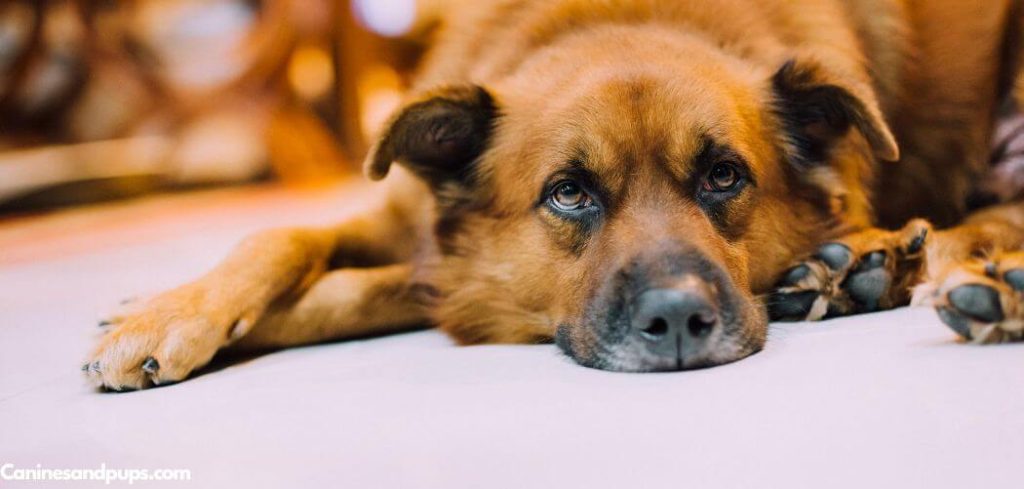
Dog Vestibular Disease Not Eating or Drinking
A dog with vestibular disease that is neither eating nor drinking is often experiencing significant dizziness and nausea.
The sensation of spinning can make even simple activities like reaching a food or water bowl difficult and unpleasant. Some dogs may also vomit, become lethargic, or refuse to move due to loss of balance.
Because dehydration can develop quickly when a dog stops drinking, this situation should be monitored closely.
Veterinary treatment may include anti-nausea medications, fluid therapy, and supportive care to keep the dog hydrated while recovery occurs.
Dog Not Eating After Vestibular Disease: Symptoms
Common symptoms may include:
Refusing food
Eating less than normal
Nausea
Head tilt
Loss of balance
Vomiting
Lethargy
Weight loss
Dog Not Eating After Vestibular Disease: Common Causes
Nausea Caused by Vestibular Disease
One of the most common reasons dogs stop eating after vestibular disease is nausea.
The vestibular system helps control balance and spatial orientation. When it suddenly malfunctions, many dogs experience a sensation similar to severe motion sickness.
Just as people often lose their appetite when they feel dizzy or carsick, dogs with vestibular disease frequently become nauseated and reluctant to eat.
Some dogs drool excessively, lick their lips, swallow repeatedly, or vomit. Others simply show little interest in food despite normally having a healthy appetite.
The nausea is often most severe during the first few days after symptoms begin. As the vestibular episode improves, appetite frequently starts to return.
Related: Dog vestibular disease and not drinking (What it means)
Dizziness and Disorientation
Vestibular disease can make dogs feel extremely disoriented.
A dog that struggles to stand, walk, or maintain balance may find it difficult to focus on eating. Some dogs become so preoccupied with staying upright that eating becomes a lower priority.
Owners often notice that their dog approaches the food bowl but seems unsure how to position themselves comfortably enough to eat.
Dogs with severe head tilts or balance problems may also have difficulty lowering their heads to reach food and water.
Even when the dog feels hungry, the physical challenge of eating may reduce food intake.
Stress and Anxiety
The sudden onset of vestibular disease can be frightening for dogs.
Many affected dogs experience confusion and anxiety because they can no longer trust their sense of balance. Some become clingy, while others appear withdrawn or restless.
Stress commonly affects appetite. A dog that is anxious or overwhelmed by unfamiliar sensations may temporarily refuse food until they begin feeling more secure.
Hospitalization, medication administration, changes in routine, and frequent monitoring by family members can sometimes add to the stress and further reduce appetite.
Fortunately, many dogs regain interest in food as they become more comfortable with their recovery.
Medication Side Effects
Dogs recovering from vestibular disease are often prescribed medications to help manage nausea, dizziness, or anxiety.
While these medications are frequently beneficial, some can affect appetite. Certain drugs may cause stomach upset, drowsiness, or temporary changes in eating behavior.
Occasionally, the appetite declines after starting a new medication or adjusting a dosage.
Because appetite loss may be caused by either the vestibular disease itself or the medication being used to treat it, veterinary guidance is important when symptoms persist.
Dehydration and General Weakness
Dogs that are not eating often drink less as well. Dehydration can worsen feelings of weakness and contribute to poor appetite.
At the same time, reduced calorie intake can leave dogs feeling fatigued and less interested in food.
This creates a cycle in which the dog feels too weak to eat, and the lack of food further reduces their energy levels.
Senior dogs may be especially vulnerable because they often have fewer physical reserves to draw upon during illness.
Prompt attention to hydration is often an important part of supporting recovery.
Underlying Medical Conditions
Vestibular disease sometimes occurs alongside other health problems.
In older dogs, conditions such as kidney disease, infections, brain disorders, metabolic disease, and hormonal disorders may contribute to both vestibular symptoms and appetite loss.
If the dog’s appetite does not begin improving as the vestibular symptoms improve, another underlying illness may need to be considered.
Veterinary testing may be necessary to determine whether additional medical conditions are affecting recovery.
Related: Dog not pooping after vestibular disease (Causes and treatment)
Persistent Inner Ear Disease
Some vestibular cases are linked to inner ear infections or inflammation.
The inner ear plays a critical role in balance. When infection affects this area, dogs may experience ongoing dizziness and nausea that continues to interfere with eating.
Dogs with inner ear disease sometimes recover more slowly than those with idiopathic vestibular disease.
Appetite may remain reduced until the underlying ear problem is successfully treated.
Additional signs may include head shaking, ear odor, ear discharge, or sensitivity around the ear.
Old Dog Vestibular Disease Not Eating
Older dogs with vestibular disease frequently lose their appetite during the first few days of the condition.
The sudden dizziness, imbalance, and nausea can make eating uncomfortable, even if the dog is normally food-motivated.
Senior dogs may also have underlying medical conditions that worsen appetite loss during illness.
While mild appetite reduction can be expected initially, persistent refusal to eat should be discussed with a veterinarian, particularly in older dogs that are more vulnerable to weakness and weight loss.
Old Dog Vestibular Disease Not Eating or Drinking
An older dog with vestibular disease that refuses both food and water requires prompt attention. The combination of advanced age, dizziness, nausea, and lack of hydration can quickly lead to dehydration, weakness, and delayed recovery.
Dogs in this condition may struggle to stand, appear disoriented, or remain lying down for extended periods.
Veterinary treatment is often needed to provide fluids, control nausea, and support nutrition until the dog feels stable enough to eat and drink independently.
Although many dogs recover from vestibular disease, refusing both food and water is a more serious sign that should not be ignored.
Read more: Old dog vestibular disease (Signs, causes and treatment)
Dog Not Eating After Vestibular Disease: What to Do
Offer food in a quiet, comfortable location where your dog feels secure.
Raise food and water bowls if lowering the head appears difficult because of balance problems. Some dogs eat better when hand-fed small amounts of food during recovery.
Encourage hydration and monitor how much water your dog is drinking.
Keep track of appetite, vomiting, mobility, and overall comfort so you can provide detailed information to your veterinarian.
Avoid forcing food if your dog appears nauseated.
When to Call or Visit the Vet
Contact your veterinarian if your dog refuses food for more than 24 hours after developing vestibular disease.
Schedule an appointment if you notice:
Persistent appetite loss
Vomiting
Weight loss
Dehydration
Extreme lethargy
Worsening balance problems
Seek immediate veterinary attention if your dog develops:
Complete refusal to eat and drink
Repeated vomiting
Collapse
Difficulty breathing
Severe weakness
Rapid deterioration
Dog Not Eating After Vestibular Disease: Treatment
Your veterinarian may evaluate hydration status, medication use, ear health, neurological function, and overall recovery progress.
Diagnostic testing may include bloodwork, ear examination, imaging studies, or additional neurological evaluation depending on the situation.
Treatment may involve anti-nausea medications, fluid therapy, appetite support, treatment of ear disease, medication adjustments, or management of underlying medical conditions.
Recovery and Monitoring
Many dogs begin eating again within a few days as the dizziness and nausea improve. Idiopathic vestibular disease often shows significant improvement during the first week of recovery.
Continue monitoring food intake, water consumption, weight, mobility, and overall behavior. Follow-up veterinary visits may be necessary if appetite remains poor or new symptoms develop.
Key Takeaway
A dog not eating after vestibular disease is often experiencing nausea, dizziness, stress, weakness, or medication side effects. Temporary appetite loss is common during the early stages of recovery, particularly when balance problems are severe.
However, prolonged refusal to eat, dehydration, vomiting, or worsening symptoms should not be ignored. Veterinary evaluation can help identify the cause and support a smoother recovery.


