
It can be concerning when your dog develops vestibular disease and then suddenly stops having bowel movements.
Many dogs with vestibular disease experience difficulty walking, standing, eating, and maintaining their normal routine, which can affect their digestive system as well.
While missing a bowel movement for a day may not always be an emergency, prolonged constipation or an inability to pass stool after vestibular disease can sometimes signal dehydration or other complications that need attention.
Table of Contents
Dog Not Pooping After Vestibular Disease: Why It Happens
A dog may not poop after vestibular disease because they are eating less, drinking less, moving less, experiencing medication side effects, becoming dehydrated, or dealing with stress-related digestive changes.
Since vestibular disease often affects balance and mobility, many dogs temporarily experience disruptions to their normal eating, drinking, and elimination habits.
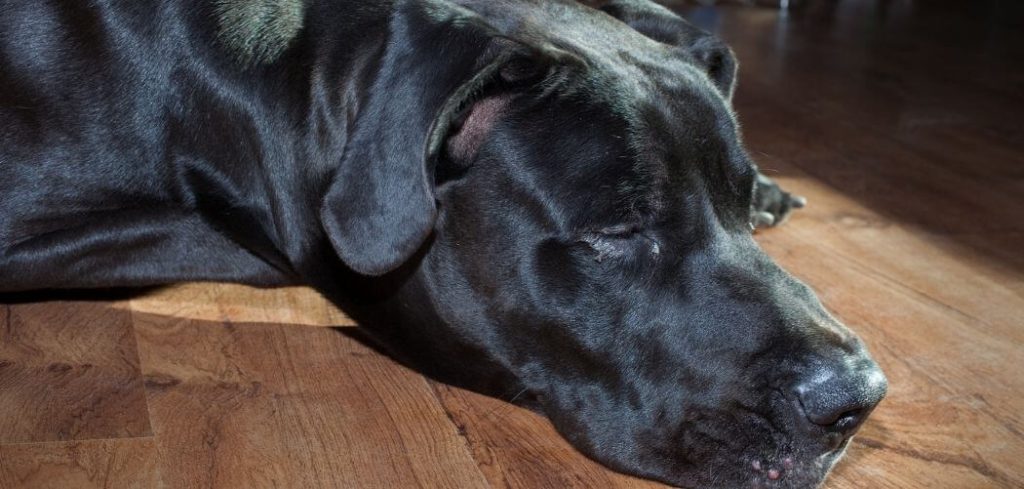
Can Vestibular Disease in Dogs Cause Constipation?
Vestibular disease does not directly cause constipation, but it can contribute to it indirectly. Dogs with vestibular disease often experience dizziness, nausea, reduced appetite, and decreased mobility.
When a dog is eating less, drinking less, and moving around less than normal, bowel movements may become less frequent, and stools may become more difficult to pass.
Constipation can therefore occur during recovery, especially in senior dogs that are already prone to digestive slowdowns.
How Long Can a Dog Go Without Pooping?
Most healthy dogs poop at least once or twice a day, although this varies depending on diet and activity level.
A dog that has not pooped for 24–48 hours may not be an emergency if it is eating less than usual, but longer periods without a bowel movement should be monitored closely.
If the dog is straining, uncomfortable, vomiting, or has a swollen abdomen, veterinary attention is needed sooner.
Dogs recovering from illness may poop less frequently, but complete absence of stool for several days is not considered normal.
Dog Not Pooping After Vestibular Disease: Symptoms
Common symptoms may include:
No bowel movements
Straining to poop
Reduced appetite
Difficulty walking
Weakness
Dehydration
Smaller stools
Abdominal discomfort
Dog Not Pooping After Vestibular Disease: Common Causes
Reduced Food Intake
One of the most common reasons dogs stop pooping after vestibular disease is simply because they are eating less.
Dogs experiencing vestibular disease often feel dizzy, nauseated, or disoriented. During the first few days, many have little interest in food.
Since stool is made largely from undigested food material and waste products, a decrease in food consumption naturally leads to fewer bowel movements.
Some dogs may only eat small amounts for several days while recovering. As a result, owners may become concerned when they notice that stool production has decreased or stopped entirely.
If your dog is otherwise comfortable and has eaten very little recently, a temporary reduction in bowel movements may be expected. However, prolonged refusal to eat should always be discussed with your veterinarian.
Decreased Physical Activity
Movement plays an important role in normal digestion. Vestibular disease often causes severe balance problems, head tilting, stumbling, and difficulty standing.
Because affected dogs spend much more time resting and significantly less time walking, intestinal movement can slow down.
The digestive tract relies partly on physical activity to help move stool through the intestines. When activity levels suddenly drop, constipation or delayed bowel movements may occur.
Some dogs that normally enjoy daily walks may become nearly sedentary during recovery. This lack of movement can contribute to sluggish digestion and make bowel movements less frequent.
As mobility improves, normal bowel habits often return.
Related: Dog Vestibular Disease and panting (Causes and treatment)
Dehydration
Dehydration is another common contributor to constipation after vestibular disease.
Dogs that feel nauseated or disoriented may drink less water than usual. Some dogs also have difficulty reaching their water bowl because of balance problems.
When the body becomes dehydrated, the colon pulls additional water from the stool as it passes through the intestines. This process results in harder, drier stools that are more difficult to pass.
You may notice your dog straining, producing very small stools, or not having a bowel movement at all.
Ensuring adequate hydration is often an important part of recovery.
Medication Side Effects
Many dogs recovering from vestibular disease receive medications to help control nausea, dizziness, anxiety, or other symptoms.
Some medications can affect the digestive system and contribute to constipation. Sedatives and certain anti-nausea medications may slow intestinal movement, making bowel movements less frequent.
Because vestibular disease itself already reduces activity and appetite, medication-related digestive slowing can further increase the likelihood of constipation.
If bowel changes began shortly after starting a new medication, your veterinarian may want to evaluate whether the medication could be contributing.
Stress and Recovery Changes
Vestibular disease is often a frightening experience for both dogs and their owners.
Physical stress, changes in routine, altered feeding schedules, and hospitalization can all affect normal digestive function.
Some dogs experience temporary constipation simply because their bodies are adapting to illness and recovery.
The digestive tract is closely connected to the nervous system. Significant physical or emotional stress can temporarily alter bowel habits, even when no direct intestinal problem exists.
Fortunately, many dogs regain normal digestive patterns as they recover and return to their regular routine.
True Constipation or Intestinal Slowdown
In some cases, vestibular disease may coincide with genuine constipation.
Older dogs are especially prone to constipation because aging often affects muscle strength, mobility, and digestive efficiency.
If a dog is already predisposed to constipation, the reduced activity associated with vestibular disease may worsen the problem.
Owners may notice repeated attempts to defecate with little or no stool production. Some dogs become uncomfortable, restless, or develop abdominal bloating.
Persistent constipation should not be ignored because it can become increasingly difficult to resolve over time.
Related: Dog Vestibular Disease and not drinking (Causes and treatment)
Underlying Medical Conditions
Sometimes the lack of bowel movements is not directly caused by vestibular disease.
Senior dogs, in particular, may have other health conditions occurring simultaneously. Kidney disease, neurological disorders, spinal problems, dehydration, and certain metabolic diseases can all affect bowel function.
Because vestibular disease commonly occurs in older dogs, it is important to consider the possibility of additional health issues if constipation persists.
Veterinary evaluation may be needed to determine whether another condition is contributing to the problem.
Does Vestibular Disease in Dogs Cause Diarrhea?
Vestibular disease itself does not typically cause diarrhea. However, the severe dizziness and nausea associated with the condition can sometimes upset the digestive system, and stress from the illness may contribute to loose stools in some dogs.
Additionally, medications, dietary changes, or an underlying disease causing the vestibular symptoms may be responsible for diarrhea.
If diarrhea is severe, persistent, or accompanied by vomiting and dehydration, it should be discussed with a veterinarian.
Old Dog Not Pooping After Vestibular Disease
An older dog that is not pooping after vestibular disease is often eating less, drinking less, and moving less than usual. These factors can slow the digestive tract and reduce the amount of stool being produced.
Some dogs may also be reluctant to walk outside or assume a normal posture for defecation because of dizziness and balance problems.
If the dog is otherwise comfortable and has been eating very little, a temporary reduction in bowel movements may be expected.
However, if several days pass without a bowel movement, or if the dog is straining, bloated, vomiting, or appears uncomfortable, veterinary evaluation is needed to rule out constipation or other complications.
Read more: Old dog vestibular disease (Signs, causes and treatment)
Dog Not Pooping After Vestibular Disease: What to Do
Monitor your dog’s food and water intake closely. Encourage hydration by providing easy access to fresh water and positioning bowls where your dog can reach them comfortably despite balance problems.
If your veterinarian has approved feeding, offer small, palatable meals and monitor how much your dog is eating.
Assist your dog with short, controlled walks if mobility allows, as gentle movement can help stimulate bowel activity.
Keep track of when your dog last passed stool and whether they are straining.
When to Call or Visit the Vet
Contact your veterinarian if your dog has not had a bowel movement for more than 48 hours after vestibular disease.
Schedule an appointment if you notice:
Straining to defecate
Reduced appetite
Hard stools
Signs of dehydration
Abdominal discomfort
Ongoing constipation
Seek immediate veterinary attention if your dog develops:
Repeated vomiting
A swollen abdomen
Severe lethargy
Signs of significant pain
Collapse
Complete inability to pass stool despite repeated straining
Dog Not Pooping After Vestibular Disease: Treatment
Your veterinarian may perform a physical examination and assess hydration status, medication use, food intake, and overall recovery from vestibular disease.
Depending on the situation, diagnostic testing may include bloodwork, abdominal imaging, or evaluation for constipation or intestinal obstruction.
Treatment may involve fluid therapy, dietary adjustments, stool softeners, medication changes, or management of underlying health conditions.
Recovery and Monitoring
Many dogs begin having normal bowel movements again once their appetite, hydration, and activity levels improve.
Continue monitoring stool production, food intake, water consumption, and mobility throughout recovery. Keep your veterinarian informed if constipation persists or new symptoms develop.
Key Takeaway
A dog not pooping after vestibular disease is often experiencing reduced food intake, dehydration, decreased activity, medication side effects, or temporary digestive slowing during recovery.
In many cases, bowel movements return as the dog begins eating, drinking, and moving normally again.
However, prolonged constipation, repeated straining, abdominal discomfort, or worsening symptoms should be evaluated by a veterinarian to ensure there are no complications interfering with recovery.


