
If your dog starts limping in cold weather, the lower temperatures may be making an existing joint or muscle problem more noticeable.
Cold weather can cause muscles to stiffen, reduce joint flexibility, and worsen the discomfort associated with arthritis or previous injuries.
However, sudden or severe limping should never be assumed to be weather-related, as it may also result from ligament injuries, fractures, paw injuries, or neurological conditions that require veterinary attention.
Identifying the underlying cause is important for effective treatment and long-term mobility.
Table of Contents
Dog Limping in Cold Weather: Why It Happens
A dog limping in cold weather may be experiencing arthritis, muscle stiffness, paw injuries, cruciate ligament disease, hip dysplasia, frostbite, neurological disorders, or another orthopedic condition. Some dogs may also hesitate to walk, cry when moving, refuse to bear weight, or appear stiff after resting.
Cold weather causes muscles, tendons, and joints to become stiffer, making existing orthopedic conditions more painful and reducing flexibility.
Lower temperatures may also decrease circulation to the limbs and cause dogs with arthritis or previous injuries to limp more noticeably.
While some dogs improve once they warm up, persistent or sudden limping usually indicates an underlying medical condition that requires evaluation.
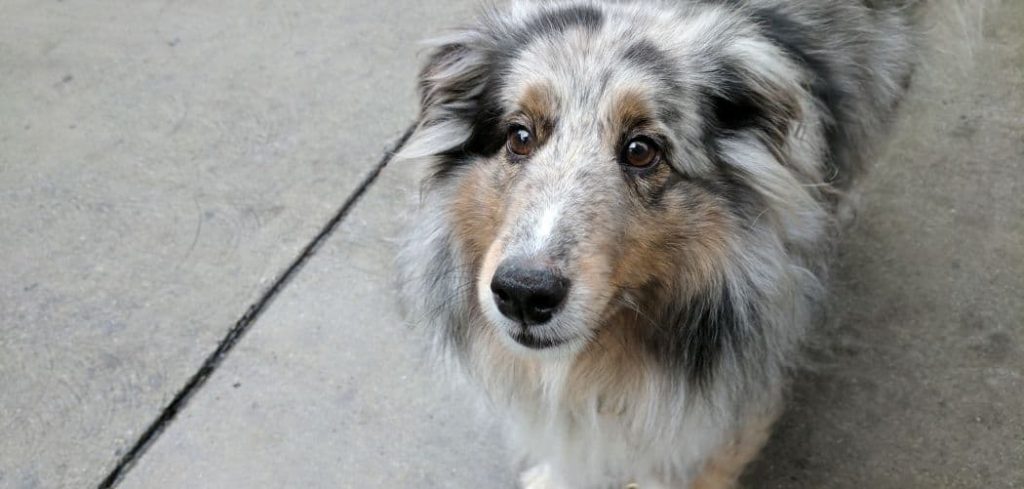
Depending on the underlying cause, a dog may also experience:
Limping on one or more legs
Stiffness after resting
Difficulty standing up
Reluctance to walk or run
Swollen joints
Crying when moving
Paw licking
Reduced activity
Dog Limping in Cold Weather: Common Causes
Osteoarthritis
Arthritis is one of the most common reasons dogs limp more during cold weather. Cooler temperatures can increase joint stiffness and inflammation, making movement painful.
Affected dogs often limp after getting up, move more slowly, hesitate to climb stairs, or seem reluctant to exercise. Many improve after gentle movement but stiffen again after resting.
Long-term treatment may include weight management, joint supplements, pain medication, physical therapy, and regular low-impact exercise.
Read more: Dog suddenly limping front leg (Causes explained)
Muscle Stiffness
Cold weather causes muscles to tighten, particularly in older dogs or those that have exercised heavily.
Dogs may appear stiff or limp when they first begin walking but improve after warming up and moving around.
Providing adequate warm-up before exercise and avoiding prolonged exposure to cold can help reduce muscle stiffness.
Cruciate Ligament Injury
A torn cranial cruciate ligament often causes sudden limping that may become more noticeable in cold weather due to increased joint stiffness.
Dogs usually avoid putting weight on the affected leg, have swelling around the knee, and struggle to rise or jump.
Veterinary treatment may involve surgery, rehabilitation, and pain management.
Read more: Dog limping with no other symptoms (What it could mean)
Hip Dysplasia
Dogs with hip dysplasia often experience worsening discomfort during cold weather because stiff joints become less flexible.
Affected dogs may bunny hop, have difficulty standing, avoid jumping, or limp after exercise.
Treatment depends on severity and may include weight control, physical therapy, medications, or surgery.
Paw Pad Injuries
Cold surfaces, ice, snow, or road salt can cause cracked paw pads, cuts, or irritation that result in limping.
Dogs may lick their paws excessively, hold one foot off the ground, or resist walking outdoors.
Cleaning and protecting the paws after walks often helps prevent further injury.
Frostbite
In extremely cold conditions, frostbite can damage the paws, ears, tail, or other exposed tissues.
Affected areas may initially appear pale before becoming swollen, painful, or discolored as circulation returns.
Veterinary treatment is important to minimize tissue damage and prevent infection.
Intervertebral Disc Disease (IVDD)
Spinal disc disease can cause limping, weakness, or an abnormal gait, and symptoms may become more noticeable during cold weather.
Some dogs also cry out, arch their backs, drag their feet, or struggle to stand.
Prompt veterinary evaluation is recommended because neurological damage can worsen rapidly.
Bone or Joint Injury
Sprains, fractures, dislocations, or bruising may occur regardless of the weather, but dogs often show more obvious pain when cold temperatures increase stiffness.
Affected dogs may refuse to bear weight, cry when the limb is touched, or have visible swelling.
Diagnosis usually requires X-rays and appropriate orthopedic treatment.
Read more: Dog Diarrhea in Hot Weather (Why it happens)
Dog Limping in Cold Weather: What to Do
Keep your dog warm by limiting exposure to cold weather and providing a warm, comfortable place to rest. Gentle walks and light activity often help loosen stiff joints, but avoid strenuous exercise if your dog is limping.
Inspect your dog’s paws for cuts, cracked pads, ice buildup, or lodged debris after outdoor walks. If your dog has arthritis, continue any prescribed medications and discuss additional pain management options with your veterinarian.
Do not give human pain medications, as many are toxic to dogs.
When to Call or Visit the Vet
Limping that persists or worsens should always be evaluated by a veterinarian.
Schedule an appointment if you notice:
Limping lasting more than 24 hours
Stiffness that recurs during cold weather
Difficulty standing
Mild joint swelling
Reduced activity
Limping after exercise
Paw licking
Repeated episodes of limping
Seek emergency veterinary attention immediately if your dog develops:
Inability to bear weight
Severe pain
Suspected fracture
Limb deformity
Severe swelling
Dragging one or more legs
Loss of bladder or bowel control
Signs of frostbite with blackened or severely damaged tissue
Dog Limping in Cold Weather: Treatment
Veterinary treatment for a dog that is limping in cold weather begins with an examination of the affected leg, joints, paws, and muscles to determine the source and severity of the problem.
The veterinarian may recommend X-rays, joint imaging, blood tests, or other diagnostic tests depending on the findings.
Treatment can include veterinary-prescribed pain relief and anti-inflammatory medication, joint-support treatment, physiotherapy or rehabilitation, or treatment of an underlying orthopedic condition.
If the limp is severe or the dog cannot bear weight, more urgent evaluation may be necessary, and some injuries may require surgery or referral to a veterinary orthopedic specialist.
Recovery and Monitoring
Recovery depends on the underlying cause. Mild muscle stiffness often improves with warmth and gentle exercise, while arthritis requires long-term management. Ligament injuries, fractures, spinal disease, or severe orthopedic conditions may require surgery and rehabilitation.
Monitor your dog’s mobility, appetite, comfort, and willingness to exercise during cold weather. Keep your dog warm, maintain a healthy weight, provide regular low-impact exercise, and follow your veterinarian’s treatment plan.
Contact your veterinarian if your dog’s limping worsens, spreads to other limbs, becomes more frequent, or is accompanied by weakness, swelling, severe pain, or neurological signs.
Key Takeaway
A dog limping in cold weather is often experiencing increased joint or muscle stiffness caused by lower temperatures, especially if they already have arthritis or another orthopedic condition.
However, limping can also result from ligament injuries, fractures, paw injuries, spinal disease, frostbite, or other medical problems that require veterinary care.
Early veterinary evaluation can identify the underlying cause and help prevent long-term mobility problems.
If your dog cannot bear weight, has severe pain, develops limb deformity, drags a leg, loses bladder or bowel control, or shows signs of severe frostbite, seek emergency veterinary care immediately.


