
Noticing your dog limping, even when they show no other symptoms, can be worrying. Sometimes it looks mild, while other times it may appear suddenly after exercise or rest.
Even without additional signs of illness, limping can signal an underlying issue that needs attention.
Table of Contents
Dog Limping No Other Symptoms: Why It Happens
When a dog is limping with no other symptoms, it often points to a localized issue with the limb rather than a systemic illness. Injuries such as sprains, strains, or minor cuts are common culprits.
Conditions like arthritis, hip dysplasia, or patellar luxation can also cause intermittent limping without making your dog seem otherwise unwell.
In some cases, growth-related problems or even early joint disease may be behind the limp, even when your dog is eating, drinking, and behaving normally.
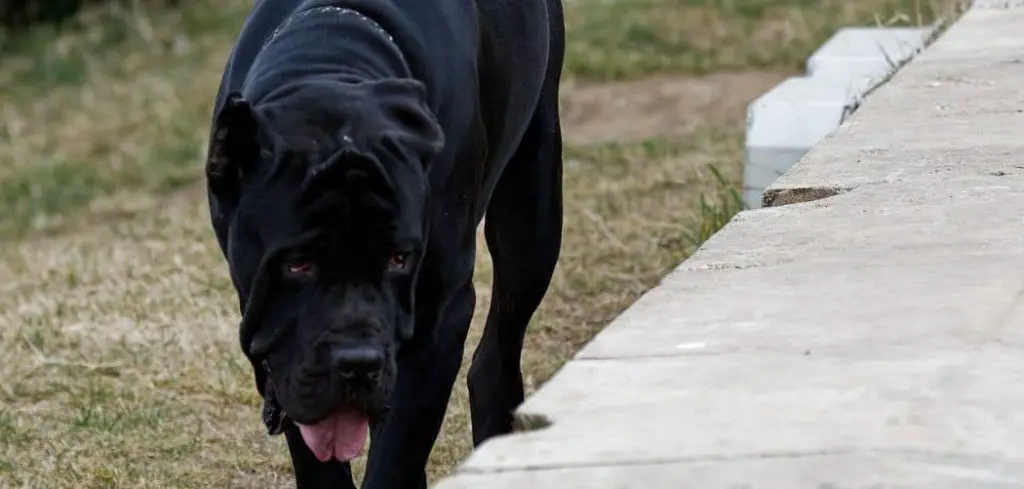
Why Is My Dog Limping Without Injury?
A dog may limp without any obvious injury because many causes of lameness are not visible on the surface.
Common reasons include muscle strain, joint inflammation, early arthritis, ligament sprains, paw pad irritation, or a small foreign object lodged between toes. Sometimes pain develops internally in joints or soft tissues without swelling or visible wounds.
Even if no injury is seen, limping still indicates discomfort or reduced function in a limb.
If it lasts more than a day or keeps returning, a veterinary exam is needed to identify the underlying cause.
Dog Limping No Other Symptoms: Common Causes
Soft Tissue Injury (Sprain or Strain)
A sudden limp without other signs often results from a soft tissue injury. Your dog may have twisted a paw, strained a muscle during play, or overexerted themselves while running.
You might notice your dog limping more after activity, but still eager to eat, drink, and interact normally. While some minor sprains heal with rest, repeated limping can mean deeper tissue injury that needs medical care.
Read more: Dog Panting and Can’t Move Back Legs (When it’s become serious)
Paw Pad or Nail Injury
Sometimes the cause is right underfoot. Small cuts, abrasions, or cracked paw pads can cause enough pain to make a dog limp. Broken or torn nails are another common reason.
Even if your dog seems otherwise fine, a sore paw can make walking uncomfortable.
Checking between the toes for debris or injuries is often the first step when a limp appears suddenly.
Arthritis or Joint Disease
For older dogs, especially, arthritis may present first as a mild limp with no other symptoms. Dogs may favor one leg after sleeping or when the weather is cold.
Joint disease often causes subtle, intermittent limping long before more serious mobility issues develop.
Catching this early gives your vet more options to slow progression and ease discomfort.
Patellar Luxation
Common in small breeds, patellar luxation happens when the kneecap slips out of place.
Dogs may suddenly pick up a leg and limp, then resume walking normally within seconds.
Even though it may look like nothing is wrong, repeated luxation can lead to arthritis and worsening pain over time. Early diagnosis is important to manage this condition effectively.
Hip Dysplasia
In large breeds, hip dysplasia may cause intermittent limping with no other immediate symptoms. Dogs may limp after vigorous play, then seem completely fine later.
This joint abnormality puts strain on the hips and can cause long-term pain if left untreated. Even in the absence of obvious illness, a limp may be an early indicator.
Bone or Growth Plate Issues
In puppies and young dogs, limping without other symptoms can be linked to growth plate injuries or conditions like panosteitis (growing pains). These issues may come and go and often affect large, fast-growing breeds.
Because growth plate injuries can affect long-term bone development, veterinary evaluation is essential when a young dog develops unexplained limping.
Dog Limping No Other Symptoms and Not Eating
When limping is combined with loss of appetite, it suggests more than a simple injury.
Pain, infection, fever, or systemic illness may be affecting the dog’s overall well-being. Dogs often stop eating when discomfort is significant.
This combination should be taken seriously, and a veterinary evaluation is required to identify whether the issue is orthopedic or systemic.
Dog Limping No Other Symptoms After Running
Limping after running with no other symptoms often indicates muscle strain, overuse injury, or mild joint irritation.
This is common after intense exercise, especially in active or young dogs. The limp may improve with rest but return after activity.
If it happens repeatedly, it may signal underlying joint weakness or early arthritis and should be checked if persistent.
My Dog Is Limping But Still Running Around
A dog that is limping but still running may have a mild injury, early joint disease, or intermittent pain.
Dogs often continue activity despite discomfort due to adrenaline or excitement, which can mask pain temporarily.
Even if the dog appears active, continued limping suggests something is wrong and may worsen with activity. Rest and monitoring are important.
Dog Limping No Pain When Touched
If a dog is limping but does not react when the area is touched, the problem may be deeper inside the joint or muscle rather than on the surface.
Conditions like mild ligament strain, early arthritis, nerve irritation, or hip or elbow issues can cause pain during movement but not obvious tenderness when handled.
This type of limping can be misleading because the dog appears comfortable when examined, but still struggles when walking or running. Persistent cases should be evaluated by a vet.
Dog Suddenly Limping Back Leg
Sudden back leg limping often suggests acute injury such as a sprain, torn ligament (like the cruciate ligament), muscle strain, or paw injury.
It can also be caused by jumping awkwardly, slipping, or overexertion. In some cases, hip or knee joint issues can appear suddenly after a minor movement.
If the limp is severe, persistent, or worsens, veterinary assessment is needed to prevent further damage and manage pain.
Dog Limping Back Leg No Pain or Swelling
Back leg limping without visible pain or swelling may still indicate internal joint problems such as early arthritis, mild ligament injury, or hip dysplasia.
Some nerve-related issues can also affect coordination and movement without obvious tenderness.
Because many serious joint problems do not show external signs early on, ongoing limping should not be ignored even if the leg looks normal.
Dog Suddenly Limping Front Leg
Sudden front leg limping can result from paw injuries, sprains, shoulder strain, elbow problems, or stepping on something sharp.
Dogs may also develop tendon or ligament injuries from sudden movement or play. Because the front legs carry much of the dog’s weight, even small injuries can cause noticeable limping.
If the limp does not improve quickly or the dog avoids using the leg, veterinary evaluation is recommended.
Dog Limping Front Leg No Pain or Swelling
When a dog limps on the front leg without pain or swelling, it may involve internal joint issues, early arthritis, or mild nerve or muscle strain.
Some dogs also mask pain well, so the absence of visible signs does not mean the condition is minor.
If the limp persists, becomes worse, or affects activity, a veterinary check is needed to identify hidden causes.
Dog Limping With No Other Symptoms: What to Do
If your dog starts limping but otherwise seems fine, the first step is to allow rest and limit activity. Avoid long walks, running, or jumping, as this can worsen injuries.
Gently check the paw and leg for any cuts, swelling, or lodged debris. If you find a minor scrape, you can clean it with a mild antiseptic, but avoid applying human medications.
If the limp improves within a day or two with rest, it may have been a mild strain. However, persistent or worsening limping always requires veterinary attention.
Comfort your dog and provide a soft resting area. Keeping them calm will help prevent further strain until you can get a professional assessment.
When to Call or Visit Your Vet
You should seek veterinary care right away if your dog’s limp:
Persists for more than 24–48 hours.
Becomes worse or shifts between legs.
Is accompanied by swelling, heat, or visible pain when touched.
Follows a fall, jump, or accident.
Occurs in a puppy, since growth plate injuries need prompt care.
If your dog refuses to put weight on the leg at all or cries when moving, this is an urgent situation that should not wait.
Read more: Dog Lethargic No Other Symptoms (Here’s Why)
Dog Limping No Other Symptoms: Treatment
Treatment depends on the cause of limping. Mild cases may improve with rest, restricted activity, and avoiding strenuous exercise.
However, persistent limping requires veterinary diagnosis to determine whether there is injury, arthritis, infection, or nerve involvement.
Treatment may include anti-inflammatory medication, pain relief, physiotherapy, weight management, or, in some cases, imaging and surgery.
Because limping is a symptom rather than a disease, identifying the root cause is essential for proper recovery.
Key Takeaway
A dog limping with no other symptoms can still signal an underlying problem that needs attention. While some causes are minor and may improve with rest, others, like joint disease, patellar luxation, or hip dysplasia, can progress if untreated.
Providing rest, checking for visible injuries, and monitoring closely are good first steps. But if the limp persists, worsens, or causes obvious discomfort, your vet should examine your dog.
Catching the cause early helps ensure your dog stays active, comfortable, and happy for years to come.


