
A sudden head tilt in a dog can be alarming, especially if it appears out of nowhere. Your dog may begin holding their head to one side, seem off balance, or have difficulty walking normally.
While a brief head tilt when listening is often harmless, a head tilt that develops suddenly and persists is not normal.
It commonly indicates a problem affecting the ears, balance system, or brain and should be evaluated by a veterinarian as soon as possible.
Table of Contents
Dog Head Tilts Suddenly: Why It Happens
A dog may suddenly develop a head tilt because of vestibular disease, an inner ear infection, a stroke, poisoning, head trauma, or another neurological condition.
The presence of additional symptoms such as stumbling, rapid eye movements, or vomiting can help determine the underlying cause.
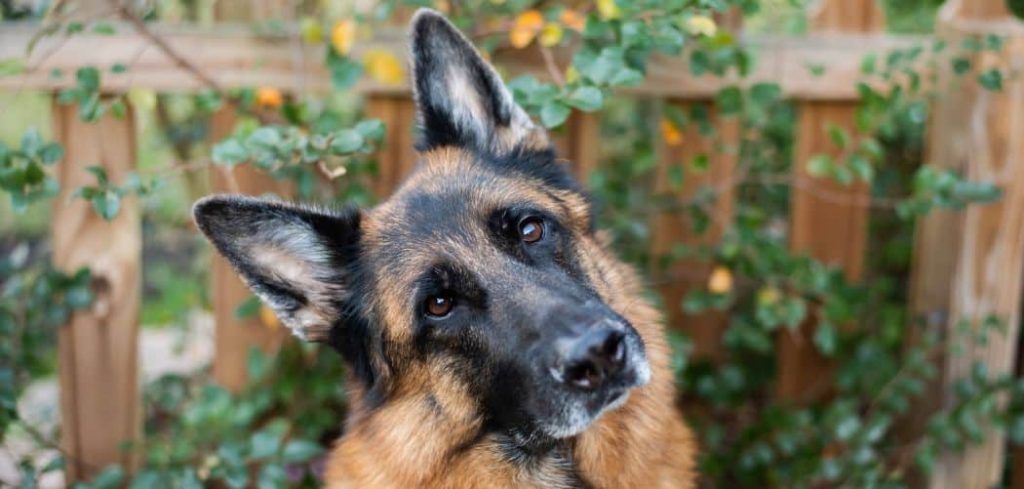
Dog Head Tilts Suddenly: Symptoms
Common symptoms may include:
Sudden head tilt
Loss of balance
Stumbling
Walking in circles
Rapid eye movements
Head shaking
Nausea or vomiting
Leaning to one side
Dog Head Tilts Suddenly: Common Causes
Idiopathic Vestibular Disease
One of the most common causes of a sudden head tilt is idiopathic vestibular disease, often called old dog vestibular syndrome.
The vestibular system helps control balance and body position. When it suddenly stops working properly, dogs often develop a dramatic head tilt, lose their balance, stumble, or lean toward one side.
Many dogs also develop rapid eye movements (nystagmus), circling, nausea, vomiting, and reluctance to walk because they feel dizzy.
Although the symptoms can appear severe, many dogs begin improving within a few days and recover significantly over one to three weeks with supportive care.
Read more: Old Dog Vestibular Disease (Signs, causes and treatment)
Inner Ear Infection
An infection involving the middle or inner ear can also cause a sudden head tilt.
Inflammation affects the delicate balance organs located inside the ear, making dogs tilt their heads toward the affected side. Many dogs also shake their heads, scratch at the ear, or show signs of pain.
Other symptoms may include ear discharge, a foul odor, hearing loss, or sensitivity when the ear is touched.
Prompt treatment helps prevent permanent damage to the balance system.
Stroke
Although strokes are relatively uncommon in dogs, they can cause a sudden head tilt.
A stroke interrupts blood flow to part of the brain responsible for balance and coordination. Dogs often develop a head tilt very suddenly, along with stumbling, weakness, confusion, or abnormal walking.
Unlike vestibular disease, some dogs also show weakness affecting one side of the body or changes in vision.
Any sudden neurological change should be treated as a medical emergency until the cause has been identified.
Head Trauma
A blow to the head can damage the balance centers of the brain or inner ear.
Dogs that have been hit by a vehicle, fallen from a height, or suffered another significant injury may suddenly develop a head tilt.
Additional signs may include confusion, abnormal eye movements, difficulty standing, bleeding from the ears or nose, or loss of consciousness.
Immediate veterinary evaluation is essential following any head injury.
Brain Tumor
Brain tumors can also cause a head tilt, particularly in older dogs. Although symptoms often develop gradually, bleeding or swelling around a tumor may cause the head tilt to appear suddenly.
Owners may also notice seizures, behavior changes, circling, vision loss, head pressing, or increasing weakness.
Advanced imaging such as an MRI or CT scan is usually needed to confirm the diagnosis.
Read more: Dog Head Tilt and Stumbling (Causes explained)
Poisoning
Certain toxins affect the nervous system and balance. Exposure to pesticides, toxic plants, antifreeze, medications, or other poisonous substances may cause a sudden head tilt along with drooling, tremors, vomiting, seizures, or collapse.
Symptoms often develop rapidly and may worsen within minutes or hours. If poisoning is suspected, emergency veterinary treatment is critical.
Inflammatory Brain Disease
Inflammation affecting the brain or nerves can interfere with balance.
Immune-mediated diseases, bacterial infections, fungal infections, or viral infections affecting the brain may produce a sudden head tilt along with stumbling, fever, seizures, weakness, or behavior changes.
These conditions often require specialized diagnostic testing and intensive treatment. Early diagnosis greatly improves the chances of recovery.
Read more: Old dog tilting head to one side (What it means)
Dog Head Tilts Suddenly: What to Do
Keep your dog in a safe, quiet area where they cannot fall or injure themselves.
Use a harness or towel under the chest if your dog needs help walking.
Offer food and water within easy reach if your dog is alert, but do not force them to eat if they are nauseated.
Observe whether your dog is also stumbling, circling, vomiting, or showing rapid eye movements.
Record a video of your dog’s walking and head position if possible, as this can be very helpful for your veterinarian.
Do not give human medications unless specifically instructed by your veterinarian.
When to Call or Visit the Vet
A sudden head tilt should always be evaluated immediately.
Schedule an urgent veterinary appointment if your dog develops:
Sudden head tilt
Head shaking
Loss of balance
Walking in circles
Ear discharge
Vomiting
Seek emergency veterinary care immediately if your dog develops:
Collapse
Seizures
Difficulty breathing
Inability to stand
Loss of consciousness
Suspected poisoning or head trauma
Dog Head Tilts Suddenly: Treatment
Veterinary assessment includes a complete physical and neurological examination to determine the cause of the sudden head tilt.
Diagnostic testing may include an ear examination, bloodwork, blood pressure measurement, ear cytology, X-rays, CT scan, MRI, or referral to a veterinary neurologist if needed.
Treatment depends on the underlying diagnosis and may include medications for nausea and dizziness, antibiotics or antifungal medications for ear infections, anti-inflammatory medications, treatment for vestibular disease, hospitalization with intravenous fluids, surgery for certain ear conditions, or specialized treatment for neurological diseases.
Recovery and Monitoring
Dogs with idiopathic vestibular disease often begin improving within several days and continue recovering over one to three weeks.
Ear infections usually respond well to appropriate treatment, while recovery from strokes, brain tumors, or inflammatory brain diseases varies according to the severity of the condition.
Monitor your dog’s balance, appetite, hydration, and overall comfort during recovery. Help them avoid slippery floors and stairs, and attend all follow-up appointments so your veterinarian can monitor progress and adjust treatment if needed.
Key Takeaway
A dog that suddenly develops a head tilt may be experiencing idiopathic vestibular disease, an inner ear infection, a stroke, head trauma, poisoning, a brain tumor, or another neurological disorder.
Although some causes are treatable and improve quickly, a sudden head tilt is never considered a normal part of aging and should always be evaluated by a veterinarian.
If your dog cannot stand, develops seizures, collapses, has difficulty breathing, or you suspect poisoning or head trauma, seek emergency veterinary care immediately.
Prompt diagnosis and treatment offer the best chance of recovery and can help prevent serious complications.


