
A dog with bad gas and vomiting may be experiencing digestive symptoms that vary from mild and temporary to more concerning.
The frequency of vomiting, severity of the gas, and whether the dog continues eating, drinking, and behaving normally can provide useful information about the situation.
In this guide, we explain what it may mean when a dog has bad gas and vomiting, what to watch for, and when veterinary care may be needed.
Table of Contents
Dog Has Bad Gas and Vomiting: Why It Happens
A dog with bad gas and vomiting may have an upset or irritated digestive system. Eating something unusual, a sudden food change, overeating, food intolerance, gastroenteritis, or swallowing something inappropriate can cause both excessive gas and vomiting.
More serious problems, including pancreatitis or an intestinal obstruction, can also produce these symptoms.
A single episode of vomiting with mild gas in an otherwise comfortable dog may resolve on its own, but repeated vomiting deserves closer attention.
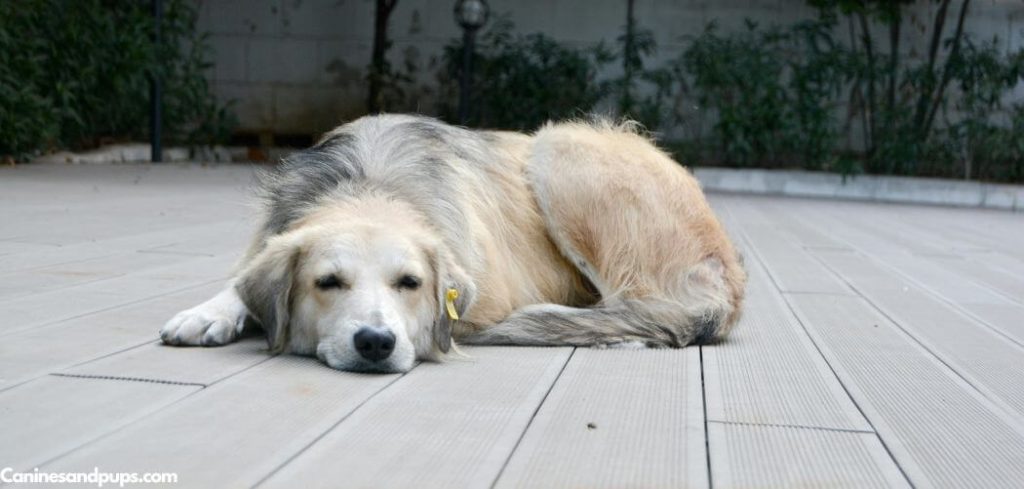
Dog Has Bad Gas and Vomiting: Common Causes
Eating Something Unusual
Dietary indiscretion is a common reason dogs develop sudden digestive upset.
Eating garbage, table scraps, spoiled food, excessive treats, or unfamiliar foods can irritate the stomach and intestines.
Depending on what was eaten, a dog may develop gas, vomiting, diarrhea, abdominal discomfort, or changes in appetite.
If the dog ate something potentially harmful or an object that cannot be digested, however, the problem may be more serious than ordinary dietary upset.
Related: Dog has bad gas and not eating (Causes and when to worry)
Sudden Change in Diet
A rapid change in food can disturb normal gastrointestinal digestion.
Some dogs are particularly sensitive to changes in ingredients or food composition and may develop gas, loose stool, or vomiting after a new food is introduced.
If the symptoms started soon after a diet change, this timing is useful information for your veterinarian.
Gastritis or Gastroenteritis
Inflammation of the stomach can cause sudden vomiting, sometimes accompanied by other digestive symptoms.
Gastritis can develop after a dog eats something irritating, but infections, parasites, medications, poisons, and other illnesses can also cause inflammation of the stomach.
Dogs with gastritis may also have abdominal discomfort, reduced appetite, or diarrhea.
When both the stomach and intestines are affected, gas and other changes in digestion may occur along with vomiting.
Related: Dog diarrhea and smelly gas (Causes and what to do)
Food Intolerance or Digestive Problems
Some dogs develop recurring gas or digestive upset in response to particular dietary ingredients.
Poor digestion can increase the amount of material available for bacterial fermentation in the intestines, potentially increasing gas.
If vomiting repeatedly occurs with the gas, the problem deserves veterinary assessment rather than being assumed to be a simple food sensitivity.
Pancreatitis
Pancreatitis is inflammation of the pancreas and can cause vomiting and abdominal discomfort in dogs.
Depending on severity, dogs with pancreatitis may also have reduced appetite, lethargy, abdominal pain, diarrhea, or dehydration.
Diagnosis usually involves combining the clinical signs with blood testing and, when appropriate, diagnostic imaging.
Gas is not specific for pancreatitis, so these symptoms alone cannot establish that the pancreas is involved.
Intestinal Obstruction
An intestinal obstruction is one of the more important causes to consider when a dog has vomiting and significant gas.
A blockage may develop after a dog swallows a foreign object such as a toy, fabric, plastic, bone, or another indigestible item.
Obstructions can be partial or complete and may cause vomiting, loss of appetite, lethargy, abdominal pain, and distension. Gas can build up in the intestine behind the obstruction.
An obstruction is an emergency because continued blockage can damage the intestine and lead to dehydration, tissue injury, perforation, or shock.
Intestinal Parasites
Parasites can cause gastrointestinal irritation and digestive disturbances in dogs. Depending on the parasite, affected dogs may develop vomiting, diarrhea, appetite changes, weight loss, or other gastrointestinal signs.
Gas alone does not mean a dog has parasites, but recurring digestive problems may warrant fecal testing.
Bloat and Gastric Dilatation-Volvulus
A suddenly enlarged abdomen combined with retching or vomiting attempts can be a sign of gastric dilatation-volvulus, commonly called bloat.
GDV is a life-threatening condition involving stomach distension and rotation. It requires immediate veterinary treatment.
This is especially important when the abdomen becomes rapidly enlarged and the dog is restless, uncomfortable, repeatedly trying to vomit, weak, or collapsing.
Related: Dog has bad gas suddenly (Causes and treatment)
Other Medical Conditions
Vomiting is not limited to diseases of the digestive tract. Kidney or liver disease, certain hormonal disorders, nervous-system conditions, infections, and ingestion of toxic or irritating substances can also cause vomiting.
If vomiting continues or occurs with other unexplained changes, the veterinarian may need to investigate beyond the gastrointestinal tract.
Dog Has Bad Gas and Vomiting but Is Acting Normal
A dog that has bad gas and vomits once but then returns to normal may have a relatively mild digestive upset.
If your dog remains alert, comfortable, interested in normal activities, and does not continue vomiting, the situation may be less concerning than repeated vomiting with other symptoms. However, acting normal does not completely rule out an early gastrointestinal problem.
If vomiting recurs, the gas becomes persistent or severe, or your dog develops appetite changes, diarrhea, abdominal discomfort, or lethargy, veterinary advice is appropriate.
Dog Has Bad Gas and Vomiting After Eating
Gas and vomiting after eating can occur with dietary indiscretion, rapid eating, food intolerance, gastrointestinal irritation, or other digestive disorders.
The timing can provide useful information. For example, symptoms that consistently occur after a particular food may make a dietary problem more suspicious, while sudden vomiting after eating something unusual raises concern for dietary indiscretion or, depending on what was swallowed, a foreign object.
Repeated vomiting after meals should be evaluated rather than assumed to be ordinary gas.
Dog Has Bad Gas, Vomiting, and Diarrhea
When gas, vomiting, and diarrhea occur together, the gastrointestinal tract is likely being affected more broadly.
Possible causes include dietary indiscretion, infection, parasites, gastrointestinal inflammation, and other digestive disorders.
More serious diseases can also produce this combination, particularly when vomiting is persistent or the dog becomes weak or dehydrated.
Bloody diarrhea, repeated vomiting, abdominal pain, weakness, or marked lethargy makes veterinary assessment more urgent.
Dog Has Bad Gas, Vomiting, and a Bloated Belly
A swollen or distended abdomen is an important warning sign when it occurs with vomiting and excessive gas.
Abdominal distension can occur when gas, fluid, or gastrointestinal contents accumulate because normal movement has slowed or because something is physically blocking the digestive tract.
Rapid abdominal enlargement, repeated unproductive retching, severe discomfort, weakness, or collapse requires emergency veterinary care because conditions such as bloat or gastrointestinal obstruction can become life-threatening.
Related: Dog Has Bad Gas and Bloody Diarrhea (Causes and treatment)
When to Call or Visit the Vet
Contact your veterinarian if your dog has repeated vomiting, persistent excessive gas, or other digestive symptoms that do not quickly settle.
Seek immediate veterinary care if your dog:
Vomits repeatedly or cannot keep food down
Has a swollen, distended, or painful abdomen
Repeatedly retches or tries to vomit without producing anything
Stops eating or drinking normally
Becomes weak, lethargic, restless, or unusually uncomfortable
Has diarrhea, particularly bloody diarrhea
Cannot pass stool or repeatedly strains to defecate
Has signs of dehydration
May have swallowed a toy, bone, fabric, plastic, or another foreign object
Develops rapidly worsening symptoms
Repeated vomiting with abdominal pain, significant distension, weakness, or suspected foreign-object ingestion should be treated as urgent because gastrointestinal obstruction and other serious abdominal conditions can deteriorate quickly.
Dog Has Bad Gas and Vomiting: Treatment
Treatment may include fluids and medication for appropriate cases, dietary management, or condition-specific treatment, while an obstruction, severe pancreatitis, or other serious disease may require hospitalization or a procedure.
Key Takeaway
Bad gas and vomiting in a dog can result from something relatively simple, such as eating unusual food or developing temporary stomach irritation, but the combination can also occur with pancreatitis, intestinal disease, or an obstruction.
One isolated episode of vomiting in a dog that quickly returns to normal may be less concerning. Repeated vomiting, abdominal swelling or pain, weakness, loss of appetite, bloody diarrhea, repeated retching, or possible foreign-object ingestion should prompt veterinary attention because some causes require urgent treatment.


