
A dog with bad gas and weight loss may show changes in both digestion and overall body condition. The gas may become more frequent or stronger-smelling, while your dog gradually loses weight despite maintaining its usual eating habits or showing a change in appetite.
The pattern and progression of these changes can provide useful information about your dog’s overall condition.
This includes noting whether the weight loss has been gradual or sudden, how long the gas has been occurring, and whether other changes, such as vomiting, diarrhea, reduced appetite, or lower energy, are also present.
Table of Contents
Dog Has Bad Gas and Losing Weight: Here's Why
A dog with bad gas and unexplained weight loss may have an ongoing digestive or other health problem rather than simple flatulence.
Food intolerance, intestinal parasites, chronic gastrointestinal disease, poor nutrient absorption, or pancreatic disorders can cause excessive gas and gradual weight loss.
Some systemic illnesses can also cause weight loss while changing digestion.
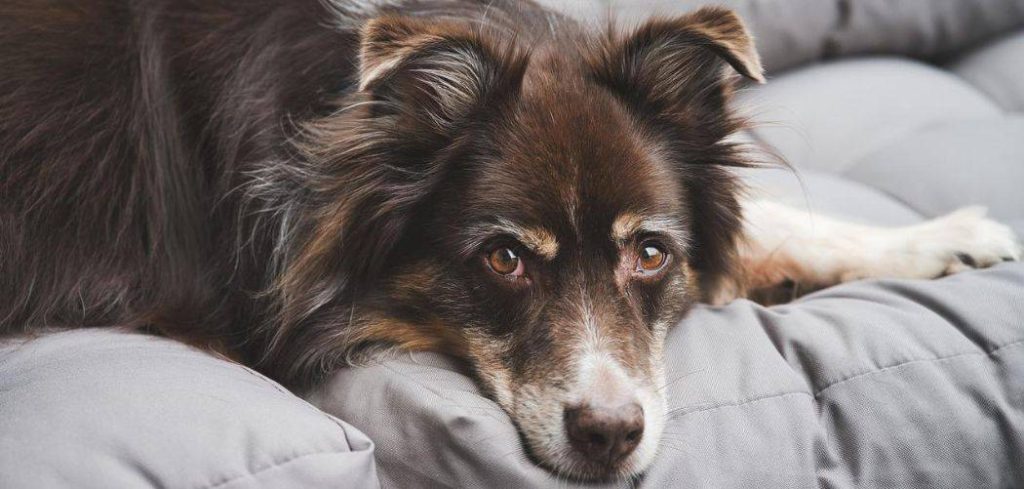
Dog Has Bad Gas and Losing Weight: Common Causes
Diet Change or Food Intolerance
A sudden change in food can alter the amount and type of carbohydrates, proteins, and fiber reaching the intestines.
Different ingredients are fermented differently by intestinal bacteria, which can affect gas production.
If a dog does not tolerate a particular diet well, digestive signs may include excessive gas, loose stools, vomiting, appetite changes, or gradual weight loss.
A persistent pattern is more important than a single episode of gas after eating something unusual.
Related: Dog has bad gas suddenly (Causes and treatment)
Chronic Gastrointestinal Disease
Chronic diseases affecting the stomach or intestines can interfere with normal digestion and nutrient absorption.
Chronic enteropathies can cause recurring or persistent vomiting, diarrhea, appetite changes, and weight loss. Some dogs may have intermittent signs rather than appearing continuously ill.
Gas may occur because inflammation or other intestinal changes affect normal digestion and the intestinal microbiome.
Related: Dog diarrhea and smelly gas (Causes and what to do)
Malabsorption
Malabsorption occurs when nutrients are not adequately absorbed from the digestive tract.
Weight loss and diarrhea are common features, although diarrhea is not always present. Some dogs with significant malabsorption can lose substantial weight despite having a good appetite.
Because malabsorption has several possible causes, additional testing may be needed rather than assuming that the problem is simply food intolerance.
Exocrine Pancreatic Insufficiency
Exocrine pancreatic insufficiency, or EPI, occurs when the pancreas does not produce enough digestive enzymes.
Dogs with EPI commonly develop weight loss and large-volume loose stools and may have an increased appetite. The stools may be pale, loose, voluminous, or unusually malodorous.
Gas can occur in dogs with digestive or malabsorptive disorders, but gas alone is not enough to suggest EPI.
A veterinarian can specifically test pancreatic function when the overall pattern makes the condition a possibility.
Intestinal Parasites
Some intestinal parasites interfere with normal gastrointestinal function and can contribute to diarrhea, poor nutrient utilization, appetite changes, or weight loss.
Parasites are particularly worth considering when weight loss occurs with abnormal stools, recurring digestive problems, or inadequate parasite control. A fecal examination may help identify some of these infections.
Related: Dog has bad gas and not eating (Causes and when to worry)
Intestinal Inflammation or Dysbiosis
Changes in the intestinal microbiome can influence fermentation and gas production. Intestinal inflammation can also interfere with normal digestion and absorption.
Dogs with chronic enteropathies may have alterations in the intestinal microbiome alongside other gastrointestinal abnormalities.
This is one reason persistent gas accompanied by weight loss should be evaluated rather than treated as a simple flatulence problem.
Pancreatic or Other Digestive Disease
Other pancreatic disorders can cause digestive symptoms and changes in appetite, weight, or stool quality.
Pancreatic disease is not diagnosed from gas and weight loss alone.
Vomiting, abdominal pain, reduced appetite, or other changes may provide additional clues, and veterinary testing may be needed to distinguish pancreatic disease from intestinal disorders.
Intestinal Obstruction or Other Structural Disease
A physical obstruction can interfere with the normal movement of food and intestinal contents.
Obstruction more commonly produces signs such as vomiting, appetite loss, abdominal pain, abdominal swelling, and lethargy, but the presentation can vary depending on the location and severity of the problem.
Progressive weight loss is not something to attribute to ordinary gas when other gastrointestinal signs are present.
Cancer and Other Chronic Illnesses
Less commonly, persistent weight loss can occur with cancer or another chronic systemic disease.
Some gastrointestinal tumors and other illnesses can cause appetite changes, vomiting, diarrhea, abdominal abnormalities, or poor nutrient absorption.
Weight loss that continues without an obvious dietary explanation deserves veterinary investigation, particularly in an older dog.
Dog Has Bad Gas and Losing Weight but Is Eating Normally
Bad gas with weight loss despite a normal appetite can occur when a dog is eating but not properly digesting or absorbing nutrients.
Conditions affecting the intestines or pancreas, intestinal parasites, and some chronic digestive disorders can produce this pattern. Increased calorie needs from certain diseases can also contribute to weight loss despite normal eating.
Because unexplained weight loss is not considered a normal part of aging or digestion, it should be investigated if it continues.
A veterinarian may consider the dog’s diet, stool, appetite, body condition, and other symptoms when determining the cause.
Dog Has Bad Gas, Losing Weight, and Has Diarrhea
Bad gas, weight loss, and diarrhea together suggest an ongoing digestive problem that may be interfering with normal digestion or nutrient absorption.
Food intolerance, parasites, chronic intestinal inflammation, infections, and pancreatic disorders are among the possibilities.
Persistent diarrhea can also cause fluid and nutrient losses that contribute to weight loss.
This combination deserves veterinary attention, particularly when the weight loss is continuing or the diarrhea has lasted more than a short period.
Blood in the stool, vomiting, poor appetite, dehydration, weakness, or marked lethargy makes immediate assessment more important.
Dog Has Bad Gas, Losing Weight, and Vomiting
A dog with bad gas, weight loss, and vomiting may have a chronic or recurring gastrointestinal problem. Dietary intolerance, chronic digestive disease, pancreatitis, parasites, pancreatic disorders, or an intestinal obstruction can cause some combination of these signs.
Repeated vomiting can also prevent adequate nutrient and fluid intake, accelerating weight loss.
Unexplained weight loss together with vomiting should be evaluated by a veterinarian rather than attributed to gas alone.
Repeated vomiting, inability to keep water down, abdominal pain or swelling, blood in vomit or stool, severe weakness, or collapse requires immediate veterinary care.
Related: Dog Has Bad Gas and Is Lethargic (Causes and treatment)
When to Call or Visit the Vet
Unexplained weight loss should generally be discussed with a veterinarian, especially when it occurs together with persistent gas.
Arrange a veterinary examination if your dog has:
Continued or progressive weight loss
Persistent or unusually severe gas
Diarrhea that keeps returning or does not resolve
Repeated vomiting
A noticeable change in appetite
Very large, loose, pale, or unusually foul-smelling stools
Blood or black, tarry material in the stool
Abdominal pain or swelling
Constipation or repeated straining to pass stool
Increasing lethargy or weakness
Signs of dehydration
A significant decline in body condition
Symptoms that continue despite a return to the usual diet
More urgent veterinary care is appropriate when weight loss is accompanied by repeated vomiting, severe weakness, a painful or markedly swollen abdomen, inability to keep food or water down, collapse, or other rapidly worsening signs.
Dog Has Bad Gas and Losing Weight: Treatment
Treatment depends on the reason your dog is producing excessive gas and losing weight.
Treatment may involve dietary management, parasite treatment, management of intestinal disease, or diagnosis-specific therapy for pancreatic or other underlying conditions.
Key Takeaway
Bad gas and weight loss in a dog should not automatically be dismissed as ordinary flatulence.
Occasional gas can be normal, but persistent gas together with unexplained weight loss can occur with dietary intolerance, chronic intestinal disease, parasites, malabsorption, or pancreatic disorders.
The combination is especially important when your dog is losing weight despite eating normally, or when gas is accompanied by diarrhea, vomiting, abnormal stools, appetite changes, or abdominal discomfort.
A veterinary examination can help determine whether the problem is dietary and manageable or whether an underlying digestive disorder needs treatment.


