
A dog with bad gas and constipation may have more frequent or stronger-smelling gas while having difficulty passing stool normally. A dog may make repeated attempts to poop, spend longer than usual trying to pass stool, produce small or hard stools, or have longer intervals between bowel movements.
The pattern of bowel movements can help provide a clearer picture of what is happening. Check whether your dog is producing any stool, how often attempts are made, and whether vomiting, reduced appetite, abdominal discomfort, or lower energy are also present.
Persistent straining or an inability to produce a normal bowel movement needs closer attention, particularly when it occurs alongside other digestive symptoms.
Table of Contents
Dog Has Bad Gas and Constipation: Why It Happens
Bad gas and constipation often occur when stool moves slowly through the digestive tract, allowing gas to accumulate. Dehydration, reduced activity, sudden dietary changes, eating bones or indigestible material, and some medications can contribute to constipation.
Dogs with constipation may pass small, dry stools or strain without producing much. Mild constipation may improve with normal hydration and activity, but persistent constipation should not be ignored.
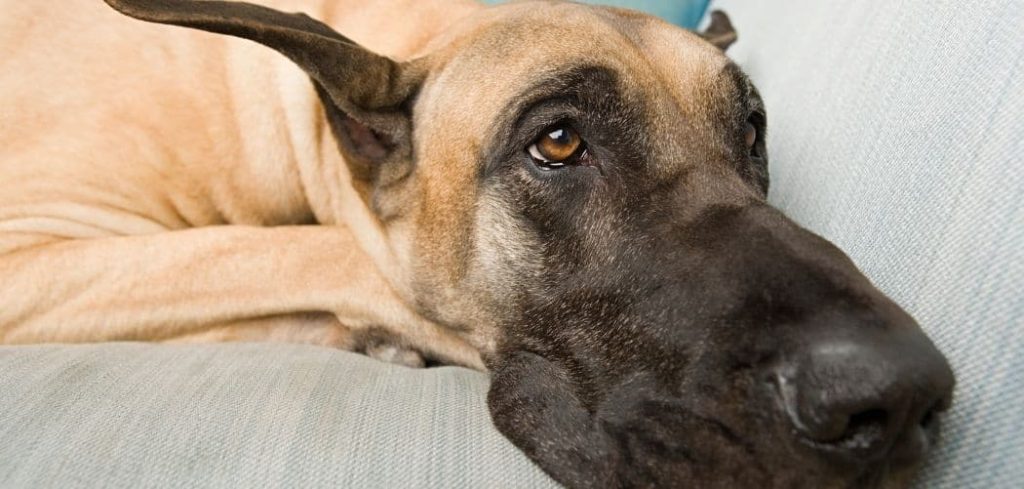
Dog Has Bad Gas and Constipation: Common Causes
Dietary Changes
A sudden change in food or the introduction of unfamiliar foods can alter normal digestion and bowel movements.
Some dietary changes may contribute to harder stools, while other foods may increase fermentation and gas production.
Eating unusual or poorly digestible material can also contribute to constipation.
Related: Dog diarrhea and smelly gas (Causes and what to do)
Not Drinking Enough Water
Adequate hydration helps keep intestinal contents from becoming excessively dry.
When a dog is dehydrated or is not drinking normally, stool can become harder and more difficult to pass.
Dehydration can also accompany illnesses that affect appetite or gastrointestinal function.
Related: Dog has bad gas suddenly (Causes and treatment)
Eating Bones or Other Indigestible Material
Bones, hair, plant material, and other poorly digestible substances can become mixed with feces and make passage more difficult.
In some cases, material that cannot pass normally may contribute to an intestinal obstruction rather than simple constipation.
Reduced Physical Activity
Dogs that are less active may be more prone to constipation.
Reduced activity can occur because of illness, pain, mobility problems, or changes in routine.
In an older dog, conditions that make movement uncomfortable can indirectly contribute to changes in bowel habits.
Pain When Defecating
A dog may avoid defecating if passing stool is painful.
Pain associated with the rectum, anus, orthopedic problems, or other conditions can cause a dog to delay bowel movements.
The longer stool remains in the colon, the harder and more difficult it can become to pass.
Medications
Certain medications can contribute to constipation as a side effect.
If constipation began after a medication was started or changed, tell your veterinarian about the timing rather than stopping the medication on your own.
Medication-related constipation is one of the potential causes veterinarians consider when evaluating persistent symptoms.
Related: Dog has bad gas and not eating (Causes and when to worry)
Enlarged Prostate or Other Physical Narrowing
In some dogs, something outside the colon can make it harder for stool to pass normally.
An enlarged prostate, enlarged lymph nodes, pelvic abnormalities, or a mass can narrow the passage around the colon or rectum.
These problems can sometimes result in unusually thin or ribbon-like stools rather than complete absence of stool.
Neurological or Muscle Problems
Normal bowel movements depend partly on coordinated movement of the colon.
Neurological disease, spinal problems, pelvic nerve dysfunction, and certain neuromuscular or electrolyte abnormalities can interfere with normal intestinal movement and contribute to constipation.
Megacolon
Megacolon occurs when the large intestine becomes abnormally enlarged and has reduced ability to move stool normally.
Dogs with severe or recurrent constipation may need evaluation for underlying causes of poor colonic movement, particularly when ordinary management does not resolve the problem.
Intestinal Obstruction
An intestinal obstruction can sometimes look like constipation because the dog may struggle to pass stool or produce very little.
However, obstruction can also cause vomiting, abdominal pain, abdominal swelling, loss of appetite, lethargy, and dehydration.
The intestines may become distended with accumulated gas when normal passage is blocked. Gastrointestinal obstruction is an emergency condition.
Dog Has Bad Gas and Constipation but Is Acting Normal
A dog can have mild constipation and increased gas while continuing to eat, drink, play, and behave normally.
This may happen after a change in diet, reduced activity, inadequate water intake, or eating something that slows the movement of stool. Acting normal is reassuring, particularly if the dog is not repeatedly straining or showing abdominal discomfort.
However, constipation that persists or keeps returning should be discussed with a veterinarian.
If the dog begins vomiting, refuses food, repeatedly tries to poop without producing stool, develops abdominal pain or swelling, or becomes weak, veterinary assessment should be sought immediately.
Dog Has Bad Gas, Constipation, and Keeps Trying to Poop
Repeated attempts to poop with little or no stool usually indicate that the dog is having difficulty passing feces. Hard, dry stool from constipation can cause straining and gas, while irritation of the lower digestive tract can also create a frequent urge to defecate.
Eating bones, indigestible objects, or other material can sometimes contribute to a blockage.
If the dog repeatedly strains without producing stool, especially if the abdomen is painful or swollen, veterinary evaluation is needed rather than continuing home treatment.
Vomiting, loss of appetite, weakness, severe pain, or suspected ingestion of a foreign object makes the situation more urgent.
Dog Has Bad Gas, Constipation, and Vomiting
Constipation accompanied by gas and vomiting can indicate more than a simple mild bowel movement problem.
Severe constipation can cause significant digestive discomfort, but an intestinal obstruction, foreign object, dietary indiscretion, or another gastrointestinal condition can produce similar symptoms.
Vomiting is particularly concerning because it may occur when material cannot move normally through the digestive tract.
A dog that is repeatedly vomiting, unable to keep water down, refusing food, showing abdominal pain or swelling, or becoming weak should receive prompt veterinary care.
Do not assume that vomiting and constipation will resolve on their own, particularly if the dog may have eaten a bone or foreign object.
Dog Has Bad Gas, Constipation, and a Bloated Belly
Constipation can cause gas and abdominal fullness because stool and gas remain in the digestive tract longer than normal. However, a bloated belly should be taken seriously when it is pronounced, painful, firm, or rapidly becoming larger.
Intestinal obstruction and gastric dilatation-volvulus (GDV) can also cause abdominal distension and may initially be mistaken for constipation or gas.
Seek emergency veterinary care if the dog has a rapidly enlarging or hard abdomen, repeated unproductive retching, severe restlessness, heavy panting, drooling, weakness, difficulty breathing, or collapse.
Even without emergency signs, persistent constipation with bloating warrants veterinary assessment.
Dog Has Bad Gas and Constipation After Eating a Bone
A dog can develop bad gas and constipation after eating a bone because bones may be difficult to digest and can make stool harder and more difficult to pass. Bone fragments can also irritate the digestive tract or, in some cases, contribute to an obstruction.
Signs may include straining, passing small amounts of dry stool, abdominal discomfort, reduced appetite, or vomiting.
If the dog repeatedly tries to poop without producing stool, vomits, develops a painful or swollen abdomen, becomes weak, or refuses food, contact a veterinarian promptly.
Avoid giving additional bones or attempting to induce vomiting unless a veterinarian specifically instructs you to do so.
Related: Dog Has Bad Gas and Bloody Diarrhea (Causes and treatment)
When to Call or Visit the Vet
Contact your veterinarian if constipation persists, repeatedly returns, or is accompanied by significant gas or other digestive changes.
Seek immediate veterinary care if your dog has:
Repeatedly strains without producing normal stool
Has not passed stool and is becoming uncomfortable
Vomits repeatedly
Stops eating or drinking normally
Develops a swollen, tense, or painful abdomen
Becomes weak, unusually lethargic, or depressed
Has blood in the stool
Produces only small amounts of liquid material while repeatedly straining
May have swallowed a bone, toy, fabric, or another foreign object
Has recurring constipation despite previous treatment
Sudden abdominal swelling accompanied by repeated unsuccessful attempts to vomit, severe pain, weakness, or collapse requires emergency veterinary care because serious gastrointestinal obstruction or another acute digestive emergency may be involved.
Dog Has Bad Gas and Constipation: Treatment
Treatment depends on whether the dog has simple constipation, fecal impaction, an underlying disease, or an obstruction.
Treatment may involve appropriate dietary management, hydration, medications, or other measures selected by the veterinarian, while severe obstipation may require removal of impacted stool. An obstruction may require endoscopic or surgical treatment.
Key Takeaway
Bad gas and constipation in a dog can occur when stool moves too slowly through the colon, becomes dry and difficult to pass, or when diet, hydration, medications, pain, or reduced intestinal movement affect normal bowel function.
Occasional mild constipation may be temporary, but persistent straining, repeated constipation, vomiting, loss of appetite, abdominal pain, or bloating can point to a more significant problem.
If your dog cannot pass stool or develops significant abdominal swelling, vomiting, weakness, or pain, veterinary assessment is important to determine whether the problem is constipation or something more serious, such as an intestinal obstruction.


