
A dog with bad gas and bloating may have a noticeable increase in flatulence along with a belly that appears larger, fuller, or more distended than usual.
You may also hear more stomach noises or notice that your dog seems uncomfortable, restless, or different from normal.
It is important to pay attention to when the gas and bloating began, whether the abdominal swelling is getting worse, and whether your dog is still eating, drinking, passing stool, and behaving normally.
A mildly full abdomen after a meal is different from a suddenly enlarged, painful, or tense abdomen.
Vomiting, repeated attempts to vomit, abdominal pain, weakness, or changes in gum color are especially important signs to notice because significant abdominal distention can sometimes require urgent veterinary attention.
Table of Contents
Dog Has Bad Gas and Bloating: Why It Happens
A dog with bad gas and bloating may have excess gas or food moving slowly through the digestive tract. Eating too quickly, overeating, sudden dietary changes, food intolerance, or certain foods can increase fermentation and gas production.
Mild digestive upset may cause a temporarily fuller abdomen, especially after a meal.
However, significant or rapidly worsening bloating can have more serious causes, including an intestinal obstruction or bloat also known as gastric dilatation-volvulus (GDV).
If the belly becomes noticeably enlarged or painful, or the dog becomes restless, drools excessively, retches without producing vomit, has difficulty breathing, becomes weak, or collapses, seek emergency veterinary care.
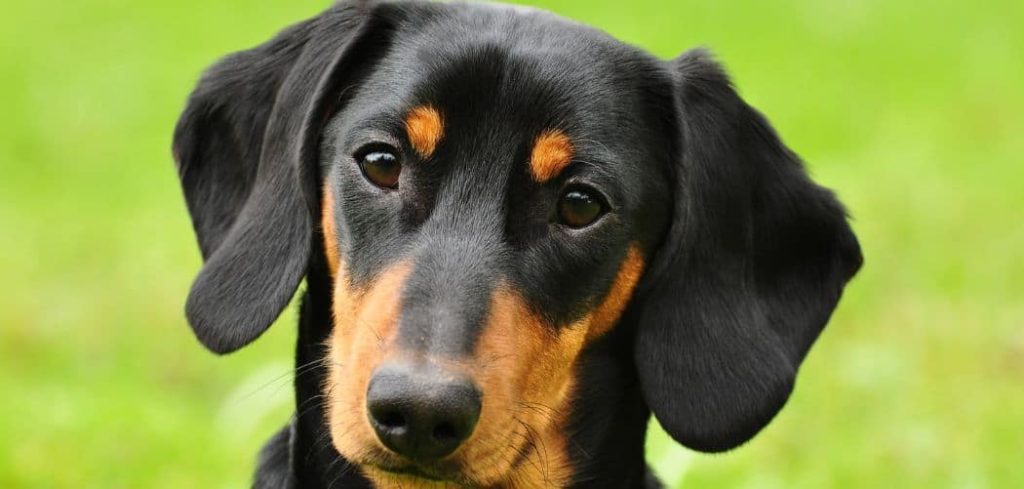
Dog Has Bad Gas and Bloating: Common Causes
Swallowing Too Much Air
Dogs that eat quickly may swallow more air than usual.
That swallowed air can contribute to belching and flatulence and may temporarily make the abdomen appear fuller.
Rapid eating is also recognized as a risk factor associated with bloat, particularly when other risk factors are present.
Related: Dog has bad gas suddenly (Causes and treatment)
Overeating
Eating a larger meal than usual can temporarily distend the stomach.
An abdomen that looks somewhat fuller after overeating may settle as digestion progresses.
However, significant or rapidly developing distension should not simply be assumed to be from overeating, especially if your dog appears uncomfortable or repeatedly tries to vomit.
Dietary Changes
A new food, unusual treat, table scraps, or a sudden change in diet can alter digestion and increase gas production.
Different ingredients can provide different amounts of material for intestinal bacteria to ferment.
Dietary upset may also cause diarrhea, vomiting, or changes in appetite in addition to gas.
Related: Dog diarrhea and smelly gas (Causes and what to do)
Food Intolerance or Digestive Sensitivity
Some dogs develop recurring gas and digestive discomfort after eating particular foods.
A dietary sensitivity may produce flatulence, soft stool, diarrhea, or other gastrointestinal symptoms.
Gas alone, however, does not establish that a specific ingredient is causing an intolerance.
Gastrointestinal Inflammation
Inflammation of the stomach or intestines can interfere with normal digestion and gastrointestinal movement.
Dogs with gastrointestinal disease may develop vomiting, diarrhea, appetite changes, abdominal pain, and abdominal distension along with gas.
Constipation or Reduced Intestinal Movement
When intestinal movement slows, gas and other contents may accumulate.
Constipation or reduced gastrointestinal motility can therefore contribute to abdominal distension.
More significant disruption of intestinal movement can cause substantial distension and discomfort.
Intestinal Obstruction
A foreign object or another physical blockage can prevent normal movement of food and gas through the digestive tract.
Obstruction may cause abdominal distension along with vomiting, loss of appetite, abdominal pain, lethargy, or changes in bowel movements.
Because an obstruction can become serious, a dog with suspected foreign-object ingestion and significant abdominal symptoms should be evaluated promptly.
Gastric Dilatation-Volvulus
Gastric dilatation-volvulus or bloat occurs when the stomach becomes distended and rotates, trapping gas and other contents inside.
GDV is an acute, life-threatening condition. Dogs may develop a suddenly enlarged abdomen, restlessness, abdominal pain, excessive drooling, rapid breathing, and repeated unsuccessful attempts to vomit.
Large and giant breeds, particularly deep-chested dogs, are at greater risk, although the condition can occur in other dogs as well.
Related: Dog has bad gas and not eating (Causes and when to worry)
Other Medical Problems
Gas and abdominal distension can sometimes occur alongside pancreatitis, intestinal disease, or other systemic problems.
Because several conditions can produce similar digestive signs, persistent or recurrent bloating should not automatically be attributed to gas or diet.
Dog Has Bad Gas and Bloating but Is Acting Normal
Bad gas and mild bloating in a dog that is otherwise acting normally can occur after eating a larger meal, eating quickly, or consuming food that causes increased fermentation.
A recent food change or food intolerance can also produce temporary gas and abdominal fullness.
Normal behavior, appetite, and activity are reassuring, but they do not completely rule out an early digestive problem.
Monitor whether the belly returns to its usual appearance and whether the gas improves.
If the bloating persists or increases, or vomiting, abdominal pain, restlessness, weakness, loss of appetite, or repeated unproductive retching develops, veterinary attention is needed immediately.
Dog Has Bad Gas, Bloating, and Vomiting
Bad gas, bloating, and vomiting together can indicate more significant digestive irritation than gas alone. Overeating, dietary indiscretion, food intolerance, gastroenteritis, pancreatitis, or an intestinal obstruction can cause this combination.
In some cases, particularly when the abdomen becomes enlarged and the dog repeatedly tries to vomit without bringing anything up, bloat or gastric dilatation-volvulus (GDV) is a medical emergency. Do not assume the symptoms are simply from something the dog ate.
Seek immediate veterinary care if vomiting is repeated, the abdomen is swollen or painful, the dog cannot keep water down, or there is weakness, pale gums, severe restlessness, or collapse.
Dog Has Bad Gas and a Hard or Tight Belly
Bad gas with a hard or tight belly can occur when gas or food causes abdominal distension, but a firm abdomen can also indicate a more serious problem.
Eating a large meal, swallowing air, constipation, intestinal obstruction, or significant gastrointestinal inflammation can contribute to abdominal tightness.
A belly that becomes suddenly enlarged, tense, or painful is particularly concerning.
If the dog is restless, repeatedly retching without producing vomit, drooling, panting heavily, having difficulty breathing, becoming weak, or collapsing, seek emergency veterinary care immediately because these signs can occur with bloat (GDV) or another serious abdominal emergency.
Dog Has Bad Gas and Bloating After Eating
Bad gas and bloating after eating can result from eating too quickly, consuming a large meal, swallowing excess air, or eating ingredients that produce more intestinal gas.
Sudden food changes and food intolerance can also cause temporary digestive upset.
If the dog remains comfortable, continues eating and drinking normally, and the bloating is mild and short-lived, the symptoms may settle as digestion continues.
However, bloating that is severe, persistent, or rapidly worsening should not be attributed to normal digestion.
Vomiting, abdominal pain, restlessness, repeated unproductive retching, a hard or enlarged belly, weakness, or collapse warrants prompt veterinary or emergency care.
Related: Dog Has Bad Gas and Bloody Diarrhea (Causes and treatment)
When to Call or Visit the Vet
Contact your veterinarian if your dog’s gas and bloating are persistent, recurrent, or accompanied by other digestive symptoms.
Seek urgent veterinary care if your dog:
Develops sudden or rapidly increasing abdominal swelling
Repeatedly tries to vomit but produces little or nothing
Becomes restless or appears unable to get comfortable
Shows obvious abdominal pain
Drools excessively along with abdominal distension
Has difficulty breathing
Becomes weak, pale, or unusually lethargic
Collapses
Repeatedly vomits
Has a suspected intestinal blockage or may have swallowed a foreign object
A suddenly enlarged abdomen combined with repeated unproductive retching is an emergency warning sign.
GDV can progress rapidly and requires immediate veterinary stabilization and treatment.
Dog Has Bad Gas and Bloating: Treatment
Treatment depends on whether the distension is caused by simple digestive gas, dietary upset, constipation, gastrointestinal disease, obstruction, or GDV.
Mild digestive problems may be managed according to the underlying cause, while serious distension may require hospitalization and urgent intervention.
GDV requires immediate stabilization, decompression, and surgical correction.
Key Takeaway
A dog may develop bad gas and bloating after eating too much, swallowing air, or experiencing a dietary or digestive disturbance.
Mild, temporary gas in an otherwise comfortable dog is generally different from sudden or progressive abdominal enlargement.
The important distinction is whether the abdomen is simply somewhat full or is becoming rapidly enlarged, tense, painful, or associated with retching, vomiting, restlessness, weakness, or collapse.
If your dog’s abdomen suddenly becomes swollen—especially if your dog repeatedly tries to vomit without producing anything—treat it as an emergency and seek immediate veterinary care because bloat (GDV) can be life-threatening.


