
A dog that has bad gas after eating chicken may develop noticeably stronger-smelling or more frequent flatulence after having chicken as part of a meal, treat, or new food.
The timing can be especially noticeable when the gas begins soon after chicken is introduced or becomes a recurring pattern whenever your dog eats it.
Keeping a record of your dog’s diet, any digestive symptoms, and changes in its usual behavior can provide useful information if the problem persists and veterinary evaluation becomes necessary.
Table of Contents
Dog Has Bad Gas After Eating Chicken: Here's Why
A dog can develop bad gas after eating chicken because the food may be difficult for the digestive system to tolerate, especially if it was introduced suddenly or given in a large amount.
The chicken itself may not be the problem; seasonings, skin, fat, bones, or other ingredients prepared with it can also cause digestive upset.
Some dogs may also have a food intolerance or sensitivity to chicken. If the gas is mild and the dog is eating, drinking, and behaving normally, it may settle as the food passes through the digestive system.
Persistent gas, diarrhea, vomiting, abdominal pain, or appetite changes should be evaluated by a veterinarian.
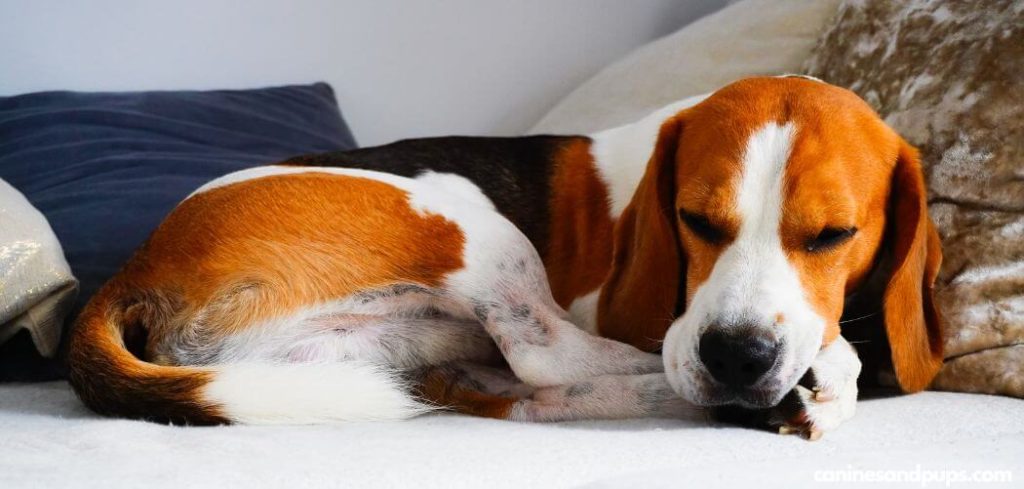
Dog Has Bad Gas After Eating Chicken: Common Causes
Sudden Introduction of Chicken
If chicken was recently added to your dog’s diet, the sudden change may be responsible for the gas.
A dog’s digestive system may respond differently when a new food is introduced, particularly if the new food replaces or is added to a familiar diet.
Sudden dietary changes can contribute to gastrointestinal upset, including changes in stool and other digestive symptoms.
Related: Dog diarrhea and smelly gas (Causes and what to do)
Eating Too Much Chicken
The quantity of chicken can matter as much as the ingredient itself.
A large portion, particularly when given in addition to your dog’s normal food, may be more difficult for the digestive system to handle.
Overeating can contribute to gastrointestinal upset and abdominal distension.
Related: Dog has bad gas suddenly (Causes and treatment)
Chicken With Fat or Skin
Chicken prepared with substantial amounts of fat or skin may be quite different from a small amount of plain lean chicken.
A sudden increase in dietary fat can contribute to digestive upset in some dogs.
If the chicken was fried, heavily seasoned, cooked with fatty ingredients, or served with rich sauces, the additional ingredients may be more relevant than the chicken itself.
Other Ingredients in the Chicken
Sometimes what appears to be a reaction to chicken is actually a reaction to something served with it.
Chicken prepared with sauces, spices, dairy products, oils, rich gravies, or other table-food ingredients can expose a dog to several new dietary components at once. This makes it difficult to identify chicken as the specific cause.
Food Intolerance or Dietary Sensitivity
Some dogs may develop gastrointestinal symptoms after eating a particular food or ingredient.
A dietary sensitivity can potentially cause gas along with soft stool, diarrhea, vomiting, or other digestive changes. However, gas by itself does not establish that a dog has a food intolerance or allergy.
If the same symptoms repeatedly occur after chicken but not after other foods, your veterinarian may consider a structured dietary evaluation.
Chicken Is Not the Only Food Being Fed
Treats, table scraps, chews, supplements, and other foods can contribute to flatulence.
If chicken was given alongside your dog’s regular food and several treats, the total diet may have changed considerably even though chicken is the food that received the most attention.
Identifying a dietary pattern can be more useful than focusing on one ingredient alone.
Related: Dog has bad gas and not eating (Causes and when to worry)
Swallowing Air While Eating
Some dogs develop gas primarily because they swallow air.
Eating quickly can increase the amount of air swallowed, and that air can later leave the digestive tract as flatulence.
This may happen regardless of whether the food is chicken, another protein, or the dog’s usual diet.
An Underlying Digestive Problem
Persistent gas may sometimes be a sign of an underlying gastrointestinal disorder rather than a reaction to chicken.
Digestive diseases can cause gas or abdominal distension along with vomiting, diarrhea, constipation, appetite changes, abdominal pain, dehydration, and weight loss.
If your dog’s gas continues even when chicken is no longer being fed, another cause should be considered.
Chicken-Associated Infection or Contamination
Raw or improperly handled chicken can carry microorganisms that may cause gastrointestinal illness.
A dog that becomes sick after eating contaminated food may develop digestive symptoms such as vomiting or diarrhea rather than simply producing more gas.
If your dog becomes noticeably unwell after eating chicken, especially with vomiting, diarrhea, fever, weakness, or loss of appetite, veterinary assessment is appropriate.
Dog Has Bad Gas After Eating Chicken but Is Acting Normal
If your dog has bad gas after eating chicken but is otherwise acting normal, the problem may be a temporary digestive response.
A dog that remains comfortable, active, interested in food and water, and free from vomiting or diarrhea is generally less concerning than one with multiple gastrointestinal symptoms.
Still, if the gas becomes excessive, keeps returning whenever chicken is fed, or continues even after the chicken is removed from the diet, discuss the pattern with your veterinarian.
Dog Has Bad Gas and Diarrhea After Eating Chicken
Gas and diarrhea after eating chicken can occur with dietary upset, particularly when chicken was introduced suddenly or prepared differently from the dog’s usual food.
However, diarrhea can also occur with infections, parasites, intestinal inflammation, dietary intolerance, and other gastrointestinal disorders.
Persistent diarrhea, bloody stool, repeated vomiting, dehydration, weakness, or loss of appetite should prompt veterinary evaluation rather than being assumed to be a simple chicken sensitivity.
Dog Has Bad Gas and Vomiting After Eating Chicken
Bad gas and vomiting after eating chicken can indicate that the digestive system is reacting poorly to the food.
Eating too much chicken, eating it suddenly, or consuming fatty skin or seasoned chicken can cause stomach irritation and digestive upset.
Food intolerance, gastroenteritis, pancreatitis, or swallowing a chicken bone can also cause these symptoms.
A single mild episode may resolve if the dog remains comfortable and can keep water down, but repeated vomiting is more concerning.
Veterinary care is needed if the dog cannot keep water down, has severe abdominal pain, a swollen belly, bloody vomit or stool, marked weakness, or may have swallowed bones.
Dog Has Bad Gas After Eating Chicken and a Bloated Belly
Bad gas with a bloated belly after eating chicken can occur when food and gas temporarily accumulate in the digestive tract, particularly after a large meal or eating quickly.
Fatty chicken, skin, sudden dietary changes, or food that does not agree with the dog can also contribute to digestive discomfort.
However, a rapidly enlarging, firm, or painful abdomen is more concerning than ordinary gas.
If the bloating is accompanied by restlessness, heavy panting, drooling, repeated attempts to vomit without producing anything, weakness, or collapse, seek emergency veterinary care immediately, as these signs can occur with potentially life-threatening bloat (gastric dilatation-volvulus).
Related: Dog Has Bad Gas and Bloody Diarrhea (Causes and treatment)
When to Call or Visit the Vet
Contact your veterinarian if your dog’s gas is persistent, severe, or repeatedly occurs after eating chicken, particularly if other symptoms are present.
Have your dog evaluated promptly if you notice:
Repeated vomiting
Persistent or severe diarrhea
Blood in the stool or vomit
Loss of appetite
Marked lethargy or weakness
Abdominal pain
A swollen or distended abdomen
Repeated straining to pass stool
Weight loss
Signs of dehydration
Digestive symptoms that continue despite stopping the suspected food
A rapidly swollen abdomen, repeated unsuccessful retching, severe abdominal pain, weakness, or collapse requires urgent veterinary attention because serious gastrointestinal conditions can cause these signs.
Dog Has Bad Gas After Eating Chicken: Treatment
Treatment depends on whether the gas is related to the chicken, the way it was prepared, the amount eaten, or another gastrointestinal condition.
Treatment may involve an appropriate dietary plan or structured food trial when a diet-related problem is suspected, while dogs with an underlying gastrointestinal disorder require treatment directed at the specific diagnosis.
Key Takeaway
A dog may develop bad gas after eating chicken, but this does not necessarily mean that chicken is harmful to the dog. A new food, a larger-than-usual meal, additional ingredients, differences in digestibility, or simply swallowing more air while eating can all contribute to increased gas.
If your dog is otherwise acting normally and the gas is occasional, it may be a temporary digestive response.
But recurring gas after chicken, particularly when accompanied by vomiting, diarrhea, appetite changes, abdominal pain, weight loss, or lethargy, deserves veterinary assessment.
The goal is to determine whether chicken is genuinely triggering the digestive symptoms or whether another gastrointestinal problem is responsible.


