
It can be alarming to watch your dog suddenly rush outside, frantically eat grass, and repeatedly gulp or swallow.
A dog acts panicked, desperately searching for grass, licking the air, swallowing constantly, and appearing unable to get comfortable.
In some cases, vomiting follows shortly afterward, while other dogs continue gulping for hours.
Although occasional grass eating is common in dogs, frantic grass eating combined with repeated gulping usually suggests that something is irritating the digestive tract.
Understanding why this happens can help you determine when simple digestive irritation may be to blame and when veterinary attention is needed.
Table of Contents
Dog Frantically Eating Grass and Gulping: Why It Happens
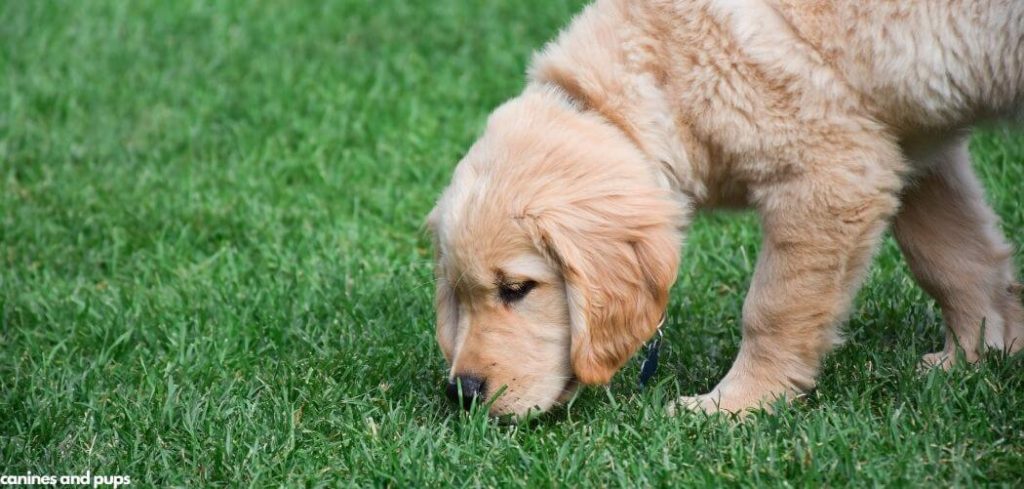
A dog frantically eating grass and gulping may happen because of nausea, acid reflux, gastritis, bilious vomiting syndrome, dietary indiscretion, gastrointestinal disease, or other digestive conditions that cause stomach discomfort.
Many dogs appear to seek grass instinctively when they feel sick to their stomach.
The gulping behavior is often related to excess saliva, nausea, irritation of the esophagus, or attempts to relieve an uncomfortable sensation in the throat or stomach.
Symptoms include:
Frantic grass eating
Repeated gulping or swallowing
Lip licking
Drooling
Restlessness
Vomiting
Stomach noises
Reduced appetite
Dog Frantically Eating Grass and Gulping: Common Causes
Nausea
Nausea is one of the most common reasons dogs suddenly begin eating grass and gulping.
When dogs feel nauseated, they often display several characteristic behaviors. Lip licking, excessive swallowing, drooling, pacing, and frantic grass eating are among the most common signs.
Many owners notice that their dog seems desperate to get outside and immediately begins consuming large amounts of grass.
The exact reason dogs seek grass when nauseated is not fully understood. Some experts believe grass may help trigger vomiting, while others think it may simply provide temporary relief from stomach discomfort.
Nausea can develop for many reasons, including dietary indiscretion, infections, medication side effects, motion sickness, pancreatitis, and chronic gastrointestinal disease.
If the nausea is mild, symptoms may resolve after vomiting. However, persistent nausea warrants veterinary evaluation to identify the underlying cause.
Related: Dog suddenly eating grass like crazy and vomiting (Why it happens)
Acid Reflux
Acid reflux occurs when stomach acid flows backward into the esophagus, causing irritation and discomfort.
Dogs with acid reflux often gulp repeatedly because they are trying to clear the irritating sensation in their throat.
Many also lick their lips, swallow frequently, and seek out grass.
The discomfort may be especially noticeable during the night, early morning, or several hours after eating when the stomach is relatively empty. Some dogs appear restless and unable to settle comfortably.
Repeated grass eating may occur because the dog is attempting to soothe irritation in the throat or stomach. Owners sometimes notice that symptoms temporarily improve after eating.
Chronic acid reflux can lead to inflammation of the esophagus and ongoing digestive discomfort if not addressed properly.
Bilious Vomiting Syndrome
Bilious vomiting syndrome is a common cause of grass eating and gulping, especially when symptoms occur early in the morning.
When a dog’s stomach remains empty for an extended period, bile can accumulate and irritate the stomach lining. The resulting nausea often causes dogs to gulp, lick their lips, eat grass, and eventually vomit yellow bile.
Many affected dogs otherwise appear healthy and active. Owners often notice a predictable pattern in which symptoms develop before breakfast or after long periods without food.
Feeding smaller, more frequent meals or providing a bedtime snack may help reduce stomach irritation in some dogs.
Although bilious vomiting syndrome is usually manageable, frequent episodes should still be discussed with a veterinarian to rule out other digestive diseases.
Related: Dog eating grass and not eating (Why it happens)
Gastritis
Gastritis, or inflammation of the stomach lining, frequently causes frantic grass eating and repeated gulping.
When the stomach becomes irritated, dogs often experience significant nausea. Grass eating may become almost obsessive as the dog attempts to relieve discomfort.
Gastritis can develop after consuming spoiled food, garbage, toxins, table scraps, medications, or irritating substances.
Some dogs also develop chronic gastritis due to food sensitivities or underlying gastrointestinal disorders.
Additional symptoms commonly include vomiting, decreased appetite, stomach noises, drooling, and lethargy.
Mild gastritis may improve quickly, but persistent or recurring symptoms require veterinary evaluation.
Dietary Indiscretion
Dogs often develop digestive upset after eating something they should not.
Garbage, spoiled food, excessive treats, fatty meals, and foreign materials can all irritate the stomach and intestines. The resulting discomfort frequently triggers nausea-related behaviors such as grass eating and gulping.
Many dogs also become restless and seem unable to settle down. Some eventually vomit the offending material or develop diarrhea.
While mild digestive upset often resolves within a day or two, more serious complications such as pancreatitis or intestinal obstruction can sometimes develop.
Carefully monitor symptoms if dietary indiscretion is suspected.
Pancreatitis
Pancreatitis is inflammation of the pancreas and is a significant cause of severe nausea in dogs.
Dogs with pancreatitis often display dramatic signs of digestive discomfort. Frantic grass eating, excessive gulping, lip licking, vomiting, and loss of appetite are common.
The pancreas plays an important role in digestion. When it becomes inflamed, the digestive system becomes disrupted, leading to nausea and abdominal pain.
Many affected dogs appear lethargic and uncomfortable. Some repeatedly stretch into a prayer position because it helps relieve abdominal pressure.
Because pancreatitis can range from mild to life-threatening, veterinary care is important whenever symptoms suggest this condition.
Gastrointestinal Obstruction
An intestinal blockage can occasionally cause frantic grass eating and gulping.
Dogs frequently swallow objects such as socks, toys, bones, rocks, or fabric. When these objects become lodged within the digestive tract, nausea and digestive discomfort often develop.
Affected dogs may desperately seek grass, gulp repeatedly, vomit, lose interest in food, and become increasingly lethargic.
Some dogs initially show only subtle symptoms before becoming severely ill.
Because gastrointestinal obstructions can become life-threatening, immediate veterinary attention is necessary whenever a blockage is suspected.
Related: Puppy won’t stop eating grass (Here’s why and what to do)
Dog Frantically Eating Grass and Gulping: What to Do
If your dog is frantically eating grass and gulping, monitor them closely for additional symptoms.
Helpful steps include:
Prevent excessive grass consumption.
Monitor for vomiting.
Watch appetite and water intake.
Note the timing of symptoms.
Prevent access to garbage and table scraps.
Keep a record of episodes.
Contact your veterinarian if symptoms recur.
Do not assume grass eating alone is harmless when it is accompanied by repeated gulping and obvious distress.
When to Call or Visit the Vet
Seek veterinary care if your dog has:
Repeated episodes of grass eating and gulping
Vomiting
Loss of appetite
Diarrhea
Severe lethargy
Signs of abdominal pain
Weight loss
Excessive drooling
Difficulty swallowing
Seek emergency care immediately if your dog collapses, develops a swollen abdomen, repeatedly vomits, or is suspected of swallowing a foreign object.
Dog Frantically Eating Grass and Gulping: Treatment
Veterinary assessment includes a physical examination and a review of your dog’s history, including when the episodes occur and whether vomiting follows.
Diagnostic testing may include blood work, fecal testing, abdominal X-rays, ultrasound, and gastrointestinal evaluations. These tests help identify causes such as gastritis, pancreatitis, acid reflux, intestinal obstruction, or chronic digestive disease.
Treatment depends on the diagnosis. Some dogs benefit from dietary changes and anti-nausea medications, while others require treatment for more serious gastrointestinal disorders.
Recovery and Monitoring
Recovery depends on the underlying cause. Dogs with mild stomach irritation often improve within a few days.
Conditions such as acid reflux or bilious vomiting syndrome may require long-term dietary management. More serious diseases, such as pancreatitis or intestinal obstruction, often need more intensive treatment.
Monitor your dog’s appetite, vomiting frequency, energy level, bowel movements, and recurrence of grass-eating episodes. Follow-up veterinary visits may be recommended if symptoms continue.
Early intervention often leads to better outcomes and improved digestive health.
Key Takeaway
Dog frantically eating grass and gulping is often a sign of nausea or digestive discomfort rather than a simple desire to eat grass. Common causes include acid reflux, bilious vomiting syndrome, gastritis, dietary indiscretion, pancreatitis, and gastrointestinal obstruction.
While an occasional episode may not be serious, repeated episodes should not be ignored, especially if they are accompanied by vomiting, appetite loss, lethargy, or abdominal pain.
A veterinary examination can help identify the underlying cause and ensure your dog receives the appropriate treatment to relieve discomfort and prevent future episodes.


