
If your dog is eating grass and not eating their food, you’re likely wondering what’s going on.
These behaviors may seem unrelated, but they can be signs of a deeper issue.
We outline the possible reasons why a dog may eat grass and not eat, what it could mean for their health, and when to seek veterinary care.
Table of Contents
Dog Eating Grass and Not Eating: What It Means
Dogs eating grass is a fairly common behavior and isn’t always a cause for concern. However, when a dog eats grass and refuses food, it could be a symptom of gastrointestinal discomfort, anxiety, nutritional deficiencies, or even a serious illness.
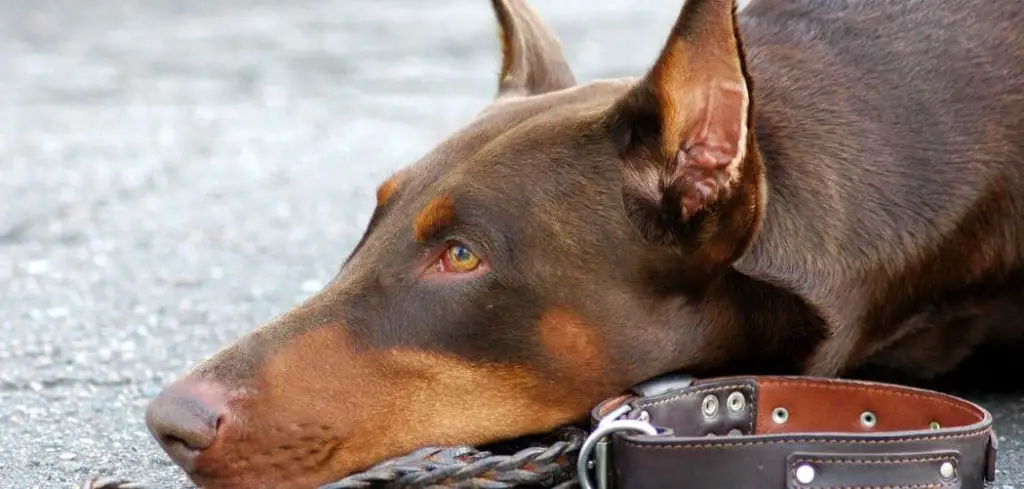
Dog Eating Grass and Not Eating – Is It Normal?
Occasional grass-eating is common and usually harmless.
But when combined with a loss of appetite, it becomes a potential red flag.
When a dog won’t eat and starts chewing on grass, it may be their body’s way of signaling that something is wrong internally.
It is especially concerning if the behavior persists for more than 24 hours or is accompanied by symptoms like:
Vomiting after eating grass
Diarrhea
Drooling excessively
Lethargy
Weight loss
Signs of abdominal pain
Dog Suddenly Eating Grass Like Crazy
A dog that suddenly starts eating large amounts of grass may be reacting to stomach irritation, nausea, dietary changes, stress, or boredom.
Some dogs become unusually focused on grass when they are experiencing digestive discomfort, while others may simply be attracted to a new scent or texture in the environment.
Sudden changes in behavior are often more significant than occasional grass eating.
Identifying and treating the underlying cause can help prevent ongoing digestive issues and reduce the behavior.
Related: Dog Eating Grass Like Crazy and Vomiting (Why it happens)
Dog Eating Grass and Not Eating: Common Causes
1. Upset Stomach or Nausea
A dog with an upset stomach may refuse food and instead consume grass to relieve nausea.
They might vomit afterward or just seem disinterested in eating.
Some signs of nausea in dogs include:
Lip licking
Excessive drooling
Grass chewing
Pacing or restlessness
This often leads to a dog eating grass and not eating regular food, especially if the stomach discomfort makes eating unappealing.
Related: Dog drinking alot of water and not eating (Explained)
2. Pancreatitis or Other Digestive Disorders
Digestive conditions like pancreatitis, gastritis, or intestinal blockages can cause a dog to eat grass and lose interest in food.
Pancreatitis, in particular, can cause abdominal pain, vomiting, and inappetence.
Dogs with these conditions may try to self-medicate by eating grass.
If your dog is eating grass and not eating for more than 24 hours, it’s time to consult a vet.
Blood tests and imaging can help diagnose the issue and guide treatment.
3. Liver or Kidney Disease
Sometimes, internal organ issues such as liver disease or kidney dysfunction can present with subtle symptoms like grass eating and inappetence.
These conditions affect metabolism and can cause nausea, making dogs avoid their food.
They might eat grass in an effort to soothe themselves, but will often continue avoiding meals.
If your dog eats grass, won’t eat, and acts lethargic, schedule a vet visit to check for underlying health problems.
4. Dietary Imbalance or Poor Nutrition
Feeding your dog a diet low in fiber or missing essential nutrients could explain why your dog is eating grass and avoiding food.
Dogs will sometimes instinctively eat grass to supplement missing elements in their diet.
Switching to a higher-quality food or one designed for sensitive stomachs may resolve the issue.
Look for formulas that contain:
Adequate fiber
Whole grains
Balanced minerals and vitamins
High-quality protein sources
Related: Dog clingy and not eating (Explained)
5. Stress
Dogs under stress may display changes in eating habits and unusual behaviors like grass eating.
A dog eating grass and not eating meals could be reacting to recent changes in their environment, such as:
Moving to a new home
A new baby or pet in the house
Separation anxiety
Loud noises like fireworks or storms
Behavioral symptoms such as pacing, whining, hiding, and chewing on non-food items often accompany these changes.
6. Parasites
Intestinal parasites like worms can also lead to digestive discomfort, which may result in a dog eating grass and refusing food.
Common signs of parasites include:
Weight loss
Poor coat condition
Scooting or licking the anus
Visible worms in the stool
A fecal exam can determine if your dog needs deworming medication.
7. Ingested Toxins
If your dog suddenly eats grass and stops eating food, it could be a sign of poisoning.
Some dogs instinctively eat grass when they feel sick after ingesting a harmful substance.
Toxins like chocolate, grapes, onions, or even certain plants can cause gastrointestinal symptoms.
If poisoning is suspected, seek veterinary care immediately.
Dog Eating Grass and Not Eating and Vomiting
A dog that is eating grass, refusing food, and vomiting is often showing signs of significant gastrointestinal upset. Dogs may consume grass in an attempt to soothe an upset stomach or trigger vomiting.
Common causes include stomach inflammation, dietary indiscretion, infections, intestinal parasites, pancreatitis, or other digestive disorders.
Because vomiting and loss of appetite increase the risk of dehydration, this combination of symptoms should be monitored closely.
Veterinary care is required if vomiting is repeated, the dog cannot keep water down, or symptoms persist beyond a short period.
Old Dog Eating Grass and Not Eating
An older dog that is eating grass but refusing its regular food may be experiencing nausea, digestive discomfort, or an underlying medical condition.
Many dogs eat grass when their stomach feels unsettled, and senior dogs are more prone to health issues such as kidney disease, liver disease, dental problems, or gastrointestinal disorders that can reduce appetite.
While occasional grass eating is common, loss of appetite in an older dog should not be dismissed as normal aging.
If the behavior continues for more than a day or is accompanied by vomiting, lethargy, weight loss, or diarrhea, a veterinary examination is required to identify the underlying cause.
What to Do When Your Dog Is Eating Grass and Not Eating
If you notice your dog is consistently eating grass and skipping meals, here’s what you should do:
Monitor Behavior
Keep an eye on how long your dog avoids food, whether they vomit after eating grass, and any other symptoms like lethargy, diarrhea, or drooling.
Check Their Diet
Ensure your dog is getting high-quality food with the right nutritional balance.
Avoid sudden diet changes and consider switching to a food formulated for sensitive stomachs if needed.
Rule Out Stress
Identify possible stress triggers and reduce them.
Give your dog plenty of mental stimulation, exercise, and a consistent routine to reduce anxiety-related behaviors.
Visit the Vet
If your dog refuses food for more than 24 hours, especially if they are eating grass, vomiting, or showing other symptoms, consult your veterinarian.
Tests may be necessary to determine if there is an underlying issue.
When to Seek Emergency Help
Seek immediate veterinary help if your dog is eating grass, not eating food, and:
Vomits multiple times
Has diarrhea with blood
Acts lethargic or is disoriented
Shows signs of abdominal pain
Is a puppy, a senior, or has existing health problems
May have ingested a toxin
Key Takeaway
A dog that is eating grass and not eating regular food may be experiencing anything from mild stomach discomfort to a serious medical issue.
While grass eating alone isn’t usually dangerous, it becomes a concern when paired with loss of appetite or other symptoms.
If you notice these behaviors in your dog, don’t ignore them—especially if they persist.
Monitor their condition closely, check for other symptoms, and consult with your veterinarian when needed.
By understanding why dog eating grass and not eating happens, you can take proactive steps to address the underlying cause and ensure your furry friend stays healthy and happy.


