
When a dog develops eye discharge and starts sneezing, the combination can make one be concerned about changes in their dog’s eye and respiratory health.
A small amount of occasional discharge may be harmless, but persistent discharge or frequent sneezing deserves attention, especially when the eyes appear irritated or other symptoms develop.
The color and amount of the eye discharge, how often your dog sneezes, whether one or both eyes are affected, and the presence of nasal discharge, coughing, swelling, or changes in appetite and energy can help provide important information.
Table of Contents
Dog Eye Discharge and Sneezing: Why It Happens
A dog may have eye discharge and sneeze because of irritation or inflammation affecting the eyes and upper respiratory tract. Allergies, dust, smoke, foreign material, conjunctivitis, and respiratory infections can produce combinations of sneezing, watery or mucus-like eye discharge, and nasal irritation.
In some cases, a foreign object lodged in the nose can cause particularly persistent sneezing.
The appearance of the discharge can provide useful information, but it does not identify the cause by itself.
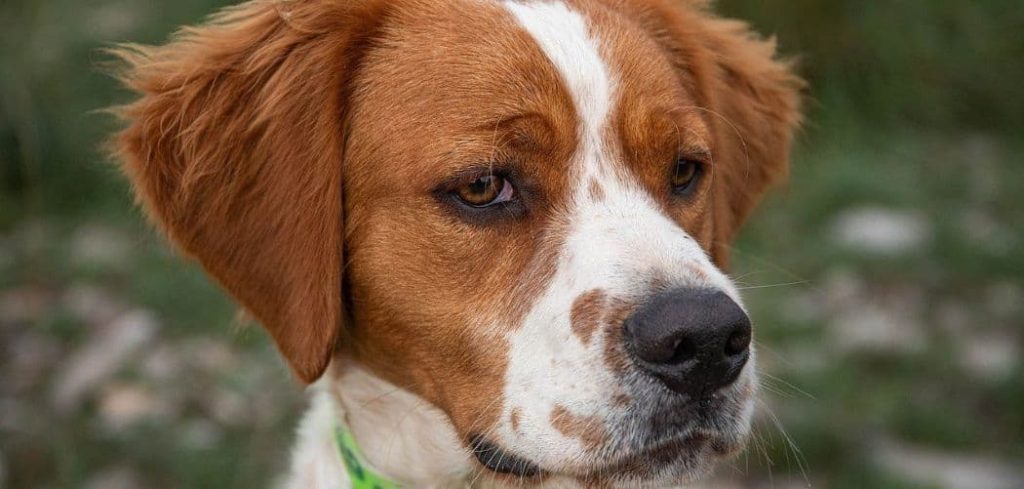
Dog Eye Discharge and Sneezing: Common Causes
Upper Respiratory Infection
Respiratory infections are an important cause of sneezing accompanied by eye discharge.
Viral infections can cause inflammation of the nasal passages and may be accompanied by watery eyes or conjunctivitis.
Dogs may also develop nasal discharge, coughing, reduced energy, or other respiratory signs.
Bacterial involvement can sometimes occur as a secondary complication, which may make nasal or ocular discharge thicker or more mucus-like.
Related: Dog mucus eye discharge (Causes and treatment)
Conjunctivitis
Conjunctivitis is inflammation of the conjunctiva, the membrane covering part of the eye and lining the eyelids.
Dogs with conjunctivitis may have discharge that is clear, cloudy, yellow, or greenish, along with redness, swelling, squinting, or increased blinking.
Sneezing or nasal discharge can occur at the same time, particularly when inflammation involves the upper respiratory tract.
Conjunctivitis has many possible causes, so the presence of eye discharge does not automatically mean a bacterial infection.
Nasal Irritation
Dust, smoke, aerosols, strong odors, and other airborne irritants can inflame the nasal passages and trigger repeated sneezing.
The same environmental exposure can also irritate the eyes, causing increased tearing or watery discharge.
If the signs occur after exposure to dust, cleaning products, smoke, or another irritant and improve after the exposure ends, irritation may be involved.
Related: Dog Eye Discharge and Not Eating and Lethargic (Causes and treatment)
Allergies or Environmental Sensitivity
Some dogs develop eye and nasal irritation in response to environmental allergens.
Pollen, dust, mold, and other airborne substances can contribute to sneezing and watery eyes. Allergic rhinitis is less common in dogs than some other causes of nasal inflammation, but environmental allergies can contribute to ocular and respiratory irritation.
Dogs with allergies may also lick or scratch their skin, rub their face, or have recurring episodes during particular seasons.
Foreign Material in the Nose
A small piece of plant material, grass, dirt, or another foreign object lodged in the nasal passage can trigger sudden or repeated sneezing.
A foreign body becomes particularly important when the sneezing and discharge are mainly affecting one side. Dogs may also paw at the face or nose.
If the discharge is persistent, bloody, or strongly one-sided, a veterinarian may need to investigate the nasal cavity more closely.
Foreign Material or Irritation of the Eye
A small piece of debris in the eye can cause tearing and discharge, while irritation around the eye may also cause rubbing, blinking, or squinting.
Grass seeds, dust, hairs, or other material can irritate the conjunctiva. In some cases, the dog may sneeze because the same material or environmental exposure is irritating the nose as well.
A dog that is repeatedly rubbing or holding an eye closed should be examined rather than assuming the problem is simple conjunctivitis.
Tear-Duct Problems
Tears normally drain through the nasolacrimal ducts from the eyes into the nasal passages.
If the tear ducts are blocked, inflamed, or otherwise abnormal, tears may overflow onto the face and create persistent eye wetness or discharge.
Tear-duct disease can sometimes occur alongside nasal inflammation because the eye and nasal passages are anatomically connected.
Dry Eye
Dry eye, also called keratoconjunctivitis sicca, occurs when the eyes do not produce enough tears.
Dogs with dry eye may develop persistent, thick, mucus-like discharge along with redness and irritation. Corneal damage can develop if the condition is not treated.
Sneezing is not caused directly by dry eye, so when both signs occur together, a veterinarian may also investigate the nasal passages or another concurrent condition.
Related: Old Dog Eye Discharge (Signs, Causes and treatment)
Dental Disease
Problems involving an upper tooth can sometimes extend into nearby nasal or sinus structures.
A tooth-root abscess involving an upper tooth can contribute to inflammation around the nasal passages and may be associated with nasal discharge and other upper respiratory signs.
Bad breath, difficulty chewing, facial swelling, or pain around the mouth can make a dental cause more likely.
Nasal Mites
Canine nasal mites are parasites that live within the nasal passages and sinuses.
They can cause repeated sneezing, nasal discharge, reverse sneezing, facial itching, and sometimes nosebleeds.
They are not the most common explanation for eye discharge and sneezing, but they may be considered when sneezing is persistent or unusually intense.
Fungal Disease of the Nasal Passages
Fungal infection can cause chronic inflammation within the nasal cavity and sinuses.
Dogs may develop persistent nasal discharge, sneezing, facial discomfort, and sometimes changes around the nose or face.
Chronic nasal disease that begins on one side and later affects both sides, particularly when discharge becomes bloody, warrants investigation for causes such as fungal disease or a nasal mass.
Nasal Mass or Tumor
A growth within the nasal cavity can cause chronic sneezing and nasal discharge.
In some dogs, nasal disease begins with discharge from one nostril and becomes more persistent or affects both sides as the condition progresses.
Bloody discharge, facial changes, or a long-standing problem that does not resolve are particularly important clues.
This possibility becomes more relevant when sneezing and discharge persist for weeks rather than improving like a short-lived irritation.
Dog Eye Discharge and Sneezing but Acting Normal
A dog that is still eating, drinking, playing, and behaving normally may have a mild upper respiratory infection, environmental irritation, or uncomplicated conjunctivitis.
However, acting normal does not identify the cause. Some dogs with nasal or eye disease remain bright and active, especially early in the course.
If the discharge or sneezing persists, repeatedly returns, or gradually becomes worse, a veterinary examination can help determine whether the problem is confined to the eyes or also involves the nose and sinuses.
Dog Eye Discharge and Sneezing With Yellow or Green Discharge
Yellow or green eye discharge often indicates inflammation and the presence of inflammatory cells or debris, but its color alone does not prove that the underlying cause is bacterial.
Conjunctivitis can produce yellow or greenish discharge, while respiratory inflammation can also cause thicker mucus or mucopurulent discharge from the nose.
A dog with persistent colored discharge, redness, squinting, or nasal symptoms should be examined rather than treated based only on the discharge color.
Dog Eye Discharge and Sneezing From One Eye
When discharge is limited mainly to one eye, a localized problem becomes more important to consider.
Possible causes include a foreign object, tear-duct inflammation or blockage, localized conjunctivitis, dry eye, eyelid abnormalities, or irritation affecting that eye.
If sneezing and nasal discharge are also strongly one-sided, a foreign object or localized nasal disease may need to be investigated.
Dog Eye Discharge and Sneezing With Coughing
Sneezing, eye discharge, and coughing can occur together when a respiratory infection or other upper respiratory condition affects multiple parts of the respiratory tract.
The combination is more concerning if the dog also develops rapid or difficult breathing, marked lethargy, fever, loss of appetite, or worsening symptoms.
Persistent respiratory signs may require a broader examination of the nose, throat, lungs, and eyes rather than treating the eye discharge alone.
Related: Dog Eye Discharge and Runny Nose (Causes and what to do)
When to Call or Visit the Vet
Have your dog evaluated if eye discharge and sneezing are persistent, recurrent, worsening, or accompanied by other concerning signs.
Seek immediate veterinary attention if your dog has:
Difficulty breathing or open-mouth breathing when not normally expected
An eye that is painful, cloudy, swollen, or held closed
Significant redness or swelling around the eye
Thick or persistent eye discharge
Bloody discharge from the nose
Discharge coming consistently from only one nostril
Facial swelling or a change in the shape of the face
Repeated forceful sneezing that does not settle
Pawing or rubbing intensely at the eye or nose
Loss of appetite or marked lethargy
Fever or significant weakness
Vision changes
Signs following an injury or suspected foreign object
Symptoms that continue for weeks or repeatedly return
Breathing difficulty, severe eye pain, sudden vision changes, or a rapidly worsening eye problem warrant prompt veterinary assessment.
Dog Eye Discharge and Sneezing: Treatment
Treatment depends on whether the problem originates primarily in the eyes, nasal passages, tear ducts, or another part of the upper respiratory tract.
The veterinarian may examine the eyes and nose, assess the conjunctiva and cornea, evaluate tear production and drainage, and look for foreign material or other abnormalities.
Depending on the findings, testing may include eye tests, samples of discharge, blood tests, dental evaluation, nasal imaging, CT, rhinoscopy, or biopsy for persistent nasal disease.
Treatment is directed at the underlying diagnosis rather than the discharge alone; chronic or unexplained nasal disease may require advanced imaging or specialist evaluation.
Key Takeaway
Dog eye discharge and sneezing can occur with upper respiratory infections, conjunctivitis, environmental irritation, allergies, foreign material, tear-duct problems, dental disease, nasal mites, fungal disease, or nasal growths. The combination does not point to one diagnosis by itself.
The pattern matters. Watery discharge with occasional sneezing may be associated with irritation, while persistent colored discharge, one-sided nasal symptoms, squinting, facial swelling, blood, or breathing changes deserve closer attention.
If the symptoms persist, repeatedly return, or become more severe, a veterinarian can determine whether the problem is primarily ocular, nasal, respiratory, dental, or related to another underlying condition.