
Eye discharge together with coughing can be a sign that your dog is experiencing symptoms involving more than one part of the body.
Occasional eye discharge or a brief cough may not always be urgent, but the combination warrants attention when symptoms persist, become more frequent, or affect your dog’s energy and breathing.
The character of the cough, the color and amount of eye discharge, how long the symptoms have lasted, and whether your dog has nasal discharge, fever, reduced appetite, or difficulty breathing can help determine the level of concern.
Table of Contents
Dog Eye Discharge and Coughing: Why It Happens
A dog may have eye discharge and cough because of a respiratory infection or another condition affecting the eyes and upper respiratory tract.
Some infections can produce eye discharge along with coughing, sneezing, and nasal discharge. Allergies and environmental irritants can also affect both the respiratory tract and eyes.
Persistent coughing or eye discharge should be evaluated, particularly if the dog also has fever, lethargy, reduced appetite, or difficulty breathing.
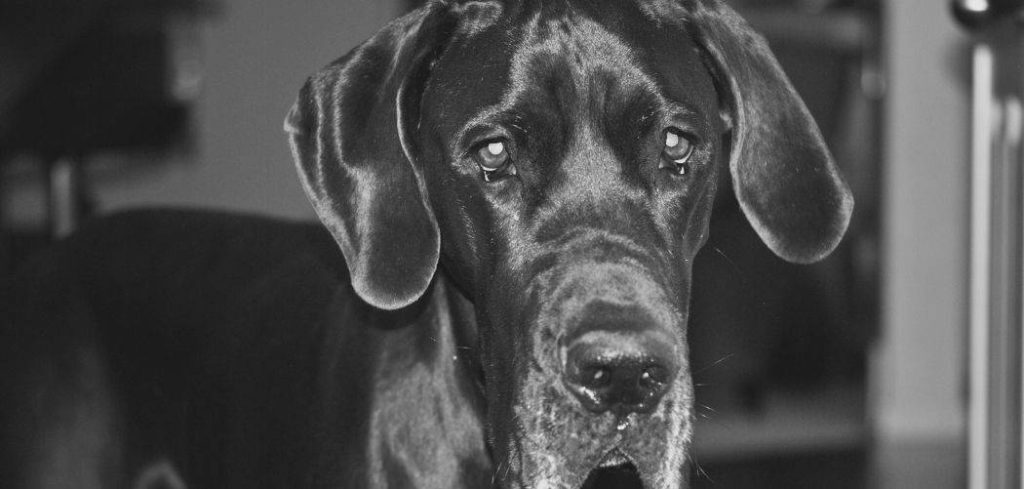
Dog Eye Discharge and Coughing: Common Causes
Canine Infectious Respiratory Disease
Canine infectious respiratory disease, sometimes called the kennel cough complex, is an important possibility when a dog develops coughing together with eye or nasal discharge.
This group of respiratory illnesses can involve several infectious organisms, including viruses and bacteria.
Dogs may develop a dry cough, sneezing, nasal discharge, and eye discharge. Recent exposure to boarding facilities, daycare, kennels, veterinary hospitals, dog parks, or other groups of dogs can increase the likelihood of exposure.
Many uncomplicated cases are relatively mild, but respiratory disease can be more serious in puppies and dogs with weakened health.
A worsening cough accompanied by fever, lethargy, poor appetite, or productive discharge may require further evaluation because pneumonia can develop in some dogs.
Related: Dog Eye Discharge and Not Eating and Lethargic (Causes and treatment)
Conjunctivitis Along With a Respiratory Infection
Conjunctivitis is inflammation of the conjunctiva, the membrane surrounding the eye. It can cause redness, swelling, increased tearing, and eye discharge.
Some infectious respiratory conditions can affect both the respiratory tract and eyes. Viral infections, for example, may cause conjunctivitis alongside respiratory signs.
If both eyes become red and discharge develops around the same time as coughing or sneezing, a broader respiratory illness may be considered.
Nevertheless, the appearance of the eyes alone cannot determine which infection is responsible.
Related: Dog mucus eye discharge (Causes and treatment)
Viral Respiratory Infection
Several viruses can cause respiratory symptoms in dogs. Depending on the infection, signs may include coughing, sneezing, nasal discharge, eye discharge, fever, and reduced appetite.
Canine influenza is one example of a respiratory infection that can cause coughing and respiratory secretions.
Viral respiratory disease can look similar to other causes of coughing, so exposure history and the dog’s other clinical signs are important when determining whether diagnostic testing is appropriate.
Canine Distemper
Canine distemper is a less common but medically important possibility, particularly in an unvaccinated or incompletely vaccinated dog with multiple symptoms.
Distemper can cause eye and nasal discharge, coughing, fever, reduced appetite, digestive problems, and, in some dogs, neurological abnormalities.
The presence of eye discharge and coughing does not mean a dog has distemper. It is one of several possible respiratory illnesses, and other signs and the dog’s vaccination and exposure history are important when assessing the risk.
Irritation of the Nose and Upper Airways
Irritation or inflammation of the nose and sinuses can cause coughing or other respiratory sounds along with increased tearing and conjunctivitis.
Dogs with rhinitis may have sneezing, nasal discharge, facial discomfort, and tearing. Viral infections are one possible cause of inflammation involving both the nasal passages and eyes.
Environmental irritants such as smoke, dust, or chemical fumes can also irritate the respiratory tract. In these situations, eye irritation and discharge may occur at the same time as coughing.
Environmental Irritation or Allergies
Allergens and environmental irritants can sometimes affect both the eyes and respiratory tract. A dog exposed to an irritating substance may develop watery eyes, sneezing, or coughing.
Allergies are somewhat different from infectious respiratory disease and may produce recurring symptoms rather than a short episode of illness.
The exact pattern, seasonality, environmental exposure, and presence of other allergy-related signs can help distinguish these possibilities.
However, persistent coughing should not automatically be attributed to allergies without considering other respiratory causes.
A Separate Eye Problem and Respiratory Problem
Sometimes the eye discharge and coughing are unrelated.
For example, a dog could develop conjunctivitis from an environmental irritant or another eye problem while also having a cough from airway irritation or a respiratory infection.
Conjunctivitis has numerous possible causes, including infection, foreign material, environmental irritation, allergies, and dry eye.
This is why the timing of the symptoms matters. If the eye discharge appeared weeks before the cough, or if only one eye is affected while the respiratory symptoms are mild, a veterinarian may investigate the two problems separately.
Related: Old Dog Eye Discharge (Signs, Causes and treatment)
Dog Eye Discharge and Coughing but Acting Normal
A dog with eye discharge and coughing but otherwise acting normal may have a mild respiratory illness, particularly if the cough is occasional and the dog continues to eat, drink, and behave normally.
Some cases of infectious tracheobronchitis are self-limiting, and dogs may otherwise appear fairly well.
However, normal behavior does not rule out an underlying problem.
A cough that persists, becomes more frequent, or is accompanied by increasing eye or nasal discharge should be evaluated, particularly in puppies, older dogs, or dogs with other health problems.
Dog Eye Discharge and Coughing With Nasal Discharge
When eye discharge, coughing, and nasal discharge occur together, an upper respiratory infection becomes an important consideration.
Respiratory infections can produce secretions from the nose and eyes, while inflammation of the upper airways can trigger coughing and sneezing.
The character of the discharge is also relevant. Clear, watery discharge can occur with irritation or early infection, while thicker or pus-like discharge can occur with more significant inflammation or secondary infection.
The discharge itself, however, does not reliably identify the underlying organism.
Dog Eye Discharge and Coughing With Lethargy
Eye discharge and coughing accompanied by lethargy, poor appetite, or fever deserve more attention than mild respiratory symptoms in an otherwise comfortable dog.
These additional signs can occur when an infection is more significant or when disease extends beyond a simple upper respiratory irritation.
In dogs with kennel cough, for example, fever, depression, poor appetite, and a productive cough can indicate progression toward bronchopneumonia.
Puppies and dogs with underlying health problems may also have a greater risk of developing complications from respiratory disease.
When to Call or Visit the Vet
Contact a veterinarian if the cough or eye discharge is persistent, worsening, recurrent, or accompanied by other signs of illness.
A prompt assessment is particularly important when respiratory symptoms appear severe, or the dog is very young, elderly, or medically vulnerable.
Seek veterinary attention immediately if you notice:
Difficulty breathing or unusually labored breathing
Rapidly worsening or frequent coughing
Blue, gray, or unusually pale gums
Significant weakness, collapse, or extreme lethargy
Refusal to eat or drink
Repeated vomiting
Fever or marked changes in body temperature
Thick or rapidly increasing eye or nasal discharge
Significant eye redness, swelling, pain, or squinting
A cloudy or visibly abnormal eye
Coughing accompanied by blood
Suspected foreign material or trauma
Neurological changes such as stumbling, seizures, or unusual behavior
Difficulty breathing should be treated as particularly urgent because respiratory disease can involve the lungs as well as the upper airways.
Dog Eye Discharge and Coughing: Treatment
Veterinary assessment includes a physical examination, including assessment of the dog’s eyes and respiratory system.
Depending on the findings, testing may include an eye examination, tear-production testing, respiratory pathogen testing, or chest X-rays when lower respiratory disease is suspected.
Thoracic radiographs can help evaluate dogs with signs suggesting disease involving the lungs.
Treatment may involve supportive care or targeted therapy depending on the cause, while antibiotics are not automatically appropriate for every cough because many respiratory illnesses have viral or nonbacterial causes.
Key Takeaway
Dog eye discharge and coughing can occur together with respiratory infections, including canine infectious respiratory disease, but they can also result from separate eye and respiratory problems.
The combination does not establish a specific diagnosis, and the severity of the cough, appearance of the eyes, and other symptoms provide important context.
Mild symptoms in an otherwise comfortable dog may not indicate a serious illness, but persistent or worsening coughing should not be ignored.
Eye pain, significant discharge, lethargy, poor appetite, fever, or breathing difficulty are stronger reasons to have the dog examined promptly.
When dog eye discharge and coughing occur together, veterinary assessment can help determine whether the problem is a mild respiratory illness, an eye disorder occurring alongside a cough, or a condition requiring more specific treatment.